PM assures industries of normal gas, power supply from Tuesday night: FBCCI

- Update Time : Monday, September 14, 2026
- 20 Time
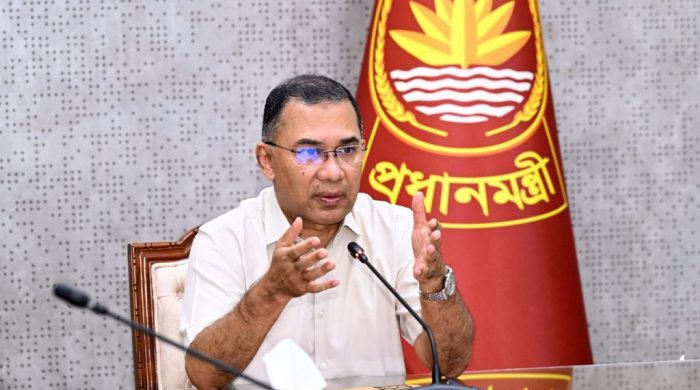
Prime minister Tarique Rahman on Monday assured business leaders that gas and electricity supplies to the country’s industrial units would return to their ‘previous normal level’ from Tuesday night, said Federation of Bangladesh Chambers of Commerce and Industry administrator Md Fazlul Hoque.
He said the prime minister also assured that industries would be given priority in gas and energy supplies, describing it as the biggest achievement of the meeting and a significant relief for the business community.
Fazlul Hoque made the remarks while speaking to reporters after the prime minister met representatives of leading business organisations at the Secretariat in Dhaka.
Representatives of 21 trade bodies, including those from the readymade garment, textile, knitwear, leather, jute, pharmaceutical, plastic and agro-processing sectors, attended the meeting.
‘We have left the meeting with relief,’ he said, adding that business leaders now wanted to see effective implementation of the government’s plans.
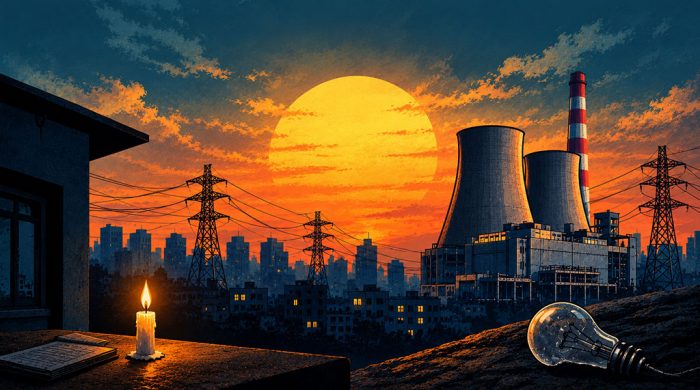
The business community has been suffering from the energy crisis for some time, Fazlul said.
He said the government had also presented a clear roadmap to address the current energy shortage and meet the growing demand expected from industrial expansion and new investment.
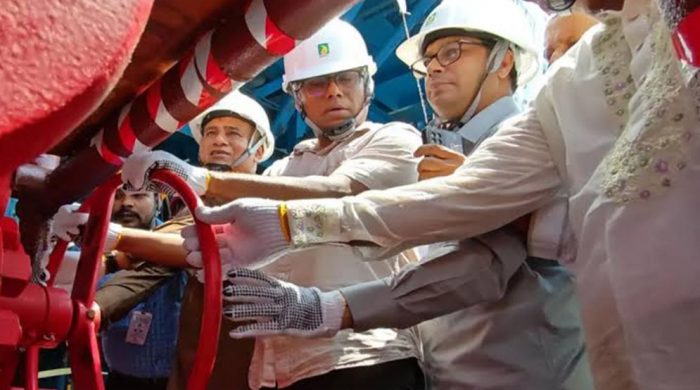
Prime minister’s adviser Mahdi Amin said the meeting discussed electricity, gas, fuel and mineral resources in detail, with particular emphasis on job creation and industrialisation.
He said the government was working to increase the number of floating storage and regasification units.
Bangladesh currently has two FSRUs, and the government plans to add a third before the beginning of 2028, with a longer-term plan to increase the number to five, he added.
The government is also planning to drill around 150 gas wells in the medium term, followed by another 150 wells, Mahdi said.
Alongside FSRUs, the government is considering land-based LNG terminals and expanding gas transmission infrastructure to strengthen the country’s energy supply.
On electricity generation, he said the government was pursuing a diversified strategy based on oil, gas and coal, while placing greater emphasis on solar power.