Indian analysts see Hasina’s return plan as political signal, not firm commitment

- Update Time : Saturday, July 18, 2026
- 0 Time
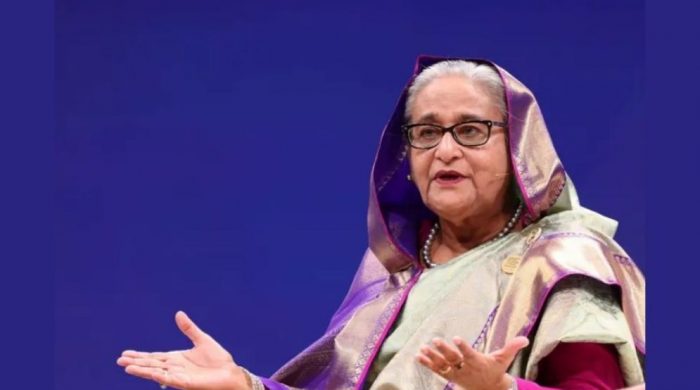
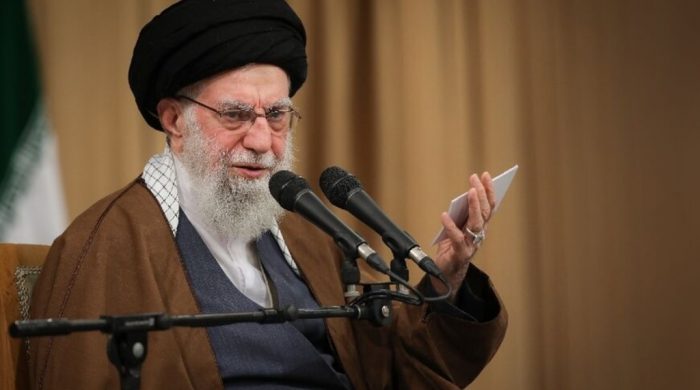
Sheikh Hasina’s announcement that she plans to return to Bangladesh in December and surrender before a court has triggered widespread discussion in both Bangladesh and India, but Indian officials and analysts largely view the remarks as an attempt to test political conditions rather than a firm commitment to return.
Hasina, who has been staying in India for nearly two years, told Reuters last week that she intends to return to Bangladesh with Awami League leaders and activists in December despite the possibility of arrest or even a death sentence.
However, several Indian officials, analysts and former diplomats told BBC Bangla that many factors could still influence whether she ultimately returns.
Senior officials from India’s foreign and home ministries said New Delhi has not changed its position regarding Hasina’s stay in the country. According to them, India neither invited her to seek refuge nor intends to force her to leave.
A senior South Block official said Hasina would decide for herself whether to return to Bangladesh after assessing the situation or remain in India if she considered that the better option.
Analysts said her reported plan should not be interpreted as confirmation that she will travel to Dhaka in December. They believe the decision will depend on developments over the next several months, including Bangladesh’s legal actions, the government’s response, international reactions and the overall political environment.
Most observers also believe Hasina would not have made such remarks without at least India’s tacit approval, given that she currently resides there.
According to analysts, the announcement could benefit both Hasina and India regardless of the eventual outcome. If she returns, India could remove a longstanding diplomatic irritant in its relations with Bangladesh. If she does not, New Delhi could argue that she intended to return but conditions in Bangladesh prevented her from doing so.
India’s Ministry of External Affairs reiterated on Tuesday that its position on Hasina’s presence in the country remains unchanged.
Since Hasina arrived in India under what New Delhi described as exceptional security circumstances, the Indian government has maintained that it responded only to her request for protection and did not encourage her departure from Bangladesh.
India has also not responded to Bangladesh’s formal request for Hasina’s extradition, leaving the issue unresolved and continuing to affect bilateral relations.
Former Indian High Commissioner to Bangladesh Pinak Ranjan Chakravarty said he believes Hasina is serious about returning because she considers her presence in Bangladesh important for the future of the Awami League.
He also said carrying out any death sentence immediately upon her return would be legally difficult, adding that she would likely appeal through the courts. He suggested India could quietly seek assurances regarding her security during any legal proceedings.
Analysts said the coming months would determine whether Hasina proceeds with her stated plan or decides to remain in India, depending on political and legal developments in Bangladesh.
Political and diplomatic analysts in New Delhi believe Sheikh Hasina’s announcement that she plans to return to Bangladesh reflects a calculated political strategy aimed at reviving the Awami League, boosting party morale and testing the response of Bangladesh’s government and the international community.
Analysts said Hasina’s statement comes after nearly two years during which many Awami League leaders and activists have criticised the party leadership for remaining outside the country while members faced attacks, arrests and legal cases in Bangladesh.
According to observers, by naming December as a target for her return, Hasina seeks to assure party supporters that she intends to stand alongside them and remains committed to leading the Awami League.
Analysts also argued that Hasina recognises she cannot rebuild the party’s political position from abroad. They said her physical presence in Bangladesh would be essential if the Awami League hopes to regain influence in national politics.
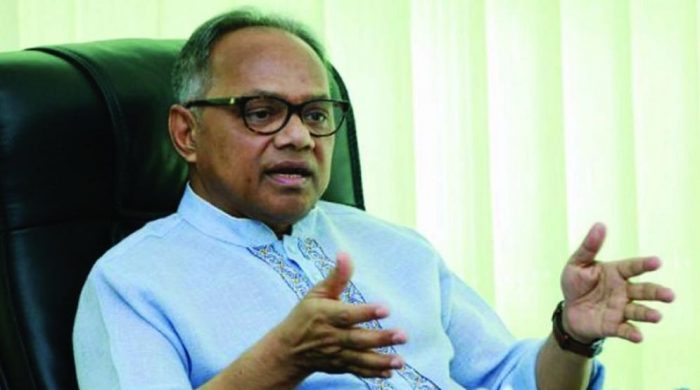
Veteran political analyst and Bangladesh observer Joyanta Roy Chowdhury said Hasina wants to signal to the BNP-led government that she intends to challenge any effort to sideline or marginalise the Awami League.
He added that New Delhi would continue to describe Hasina as a free political actor who makes her own decisions, even though many analysts believe India has at least tacitly supported her public announcement.
Observers also noted that Hasina has shown little willingness to hand over the party leadership to anyone outside her family, making her personal return central to any effort to reorganise the Awami League.
They said the announcement could also increase pressure on Bangladesh’s government by shifting attention to the legal process she may face if she returns.
According to analysts, Hasina’s pledge to surrender before a court signals her willingness to participate in judicial proceedings while also implying that the state should guarantee a fair and impartial trial.
Observers stressed, however, that the announcement does not necessarily mean Hasina will return in December. They said she is likely to monitor Bangladesh’s political climate, the government’s response and international opinion before making a final decision.
Meanwhile, Awami League leaders and activists who have taken refuge in India since August 2024 expressed mixed views on the possibility of returning with Hasina.
Many said they believe Bangladesh’s government would prefer that Hasina remain outside the country because her return could further complicate the political situation.
Some party members said Awami League supporters at home and abroad would accompany Hasina if she returned to Bangladesh.
Others expressed concern that, unlike Hasina, they lack the international profile that could attract global attention if they faced legal action after returning.
One former cabinet member said any trial involving Hasina would receive worldwide scrutiny, whereas ordinary party leaders could face arrest without attracting international attention.
Analysts said it therefore remains uncertain how many Awami League leaders and activists would ultimately accompany Hasina if she decides to return to Bangladesh later this year.