How urban Bangladesh is reinventing the search for spouse

- Update Time : Thursday, July 2, 2026
- 47 Time
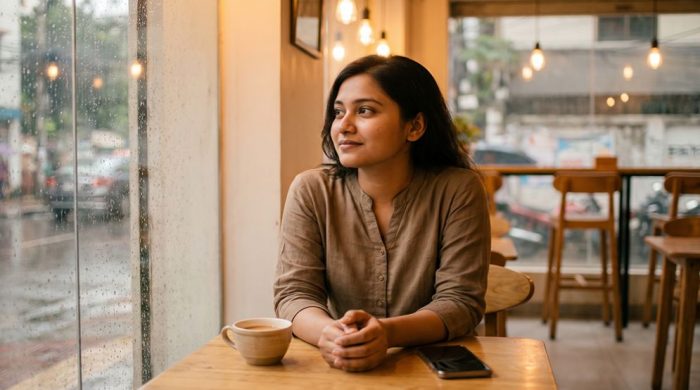
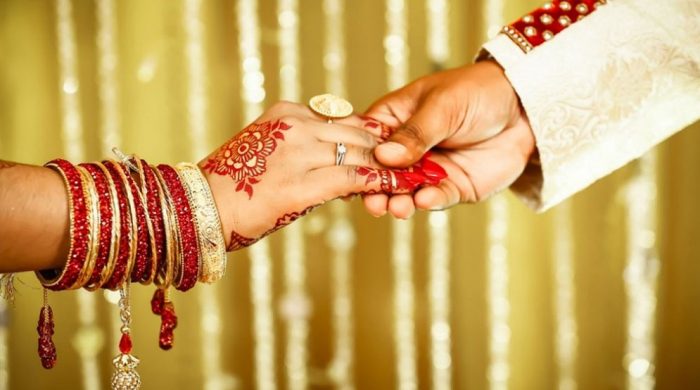
The search for a life partner is undergoing a significant transformation among Bangladesh’s educated urban youth, as many move away from both conventional dating apps and traditional matchmakers in favour of technology-driven platforms that combine modern convenience with family involvement.
For many young professionals, finding a suitable spouse has become increasingly difficult. “At 29, it feels like finding someone in Dhaka is like winning a lottery,” said Ashraful Islam, a private bank employee. “Dating apps feel artificial, while relatives no longer bring marriage proposals as they once did.”
His experience reflects a broader trend identified in a recent survey conducted by technology-based matchmaking consultancy Saiyonee among its registered users.
The survey found that although 57 percent of respondents have used dating apps at some point, only 15 percent remain active users. More significantly, 88 percent expressed negative views about the current dating culture, citing concerns over trust, authenticity and long-term compatibility.
At the same time, family involvement in marriage continues to hold strong appeal. Around half of marriages among educated urban families still take place through arranged marriage or family consensus, while 53 percent of unmarried respondents said they viewed family-assisted marriage positively. Only 36 percent preferred marriages based solely on romantic relationships.
However, today’s generation is reshaping the traditional arranged marriage model. According to the survey, 75 percent of respondents welcomed family participation but wanted sufficient time to know and understand a prospective partner before making a final commitment, reflecting a preference for a balanced approach rather than blind family decisions.
The organisation’s registration data also highlights changing family dynamics. While 54 percent of male profiles are created by the men themselves, only 20 percent of women register independently. In 42 percent of female registrations, mothers create the profiles, making them the most active family members in the matchmaking process.
The survey also revealed that nearly 75 percent of families show greater interest in prospective grooms already living, or planning to settle, in countries such as Australia, the United States or Canada.
Changing social attitudes are also becoming evident. About 10 percent of registered profiles belong to separated individuals, including 2 percent who are single parents, indicating growing acceptance of remarriage.
Researchers say the decline of extended family networks and trusted neighbourhood matchmakers has created a gap that many traditional marriage media have failed to fill. Only 36 percent of respondents said they trust conventional marriage media services, with many citing high fees and unprofessional practices.
As confidence in dating apps and traditional matchmaking declines, technology-driven matchmaking consultancies are emerging as an alternative. These platforms aim to combine digital convenience with privacy, careful screening and family participation.
The findings suggest that Bangladesh’s marriage culture is entering a new phase—one where modern technology and traditional family values are increasingly being blended to help young people build lasting relationships.