Spain 2.0 rebrands tiki-taka for world glory

- Update Time : Tuesday, July 21, 2026
- 0 Time
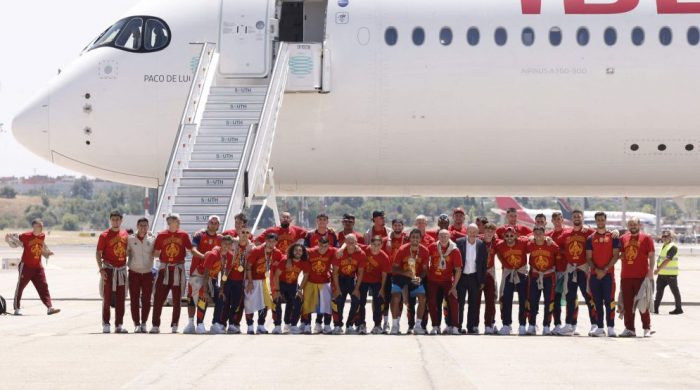
The new dawn of Spanish football answers a few pressing questions. “Was 2010 a fluke?”
In the history of FIFA World Cups since the inaugural edition at Uruguay in 1930, Spain reached the FIFA World Cup final twice – and won twice!
As long as the game was in play in a hot July setting in Johannesburg in 2010, the Netherlands were also dreaming that night.
In an encounter for the ages that evaluated the desire of the goldenware of two top European nations, Dutch forward Arjen Robben was on a roll in what felt like a desperate attempt to take the cup home; leaving absolutely no stones unturned.
Spanish goalkeeper and captain Iker Casillas was in business, as he was kept busy throughout the game.
The tactical baseline, powered by the everlasting tiki-taka blueprint and possessed by the Spanish DNA, is something that is not a yesterday’s master plan.
However, Spain was never a “World Cup contender”, as discussions that concerned the title didn’t have a Spanish concern.
After conquering the world in 2010, the Spanish pedigree made a statement.
They were not very forward-influenced or a one-man show, but they were a team that made midfield a strength—a story like no other.
And just when the story was taking a course towards something grandeur, the 2014 World Cup arrived.
The drama couldn’t have been more linear, as Spain met the Netherlands in the group stage.
Even after taking a lead, Spain went on to lose the match 5-1, which contributed greatly to their surprise early exit from the edition.
That squad did feature a lot of formidable names that were already world champions in the previous session; however, pundits didn’t hold back the criticism.
Many started to label the win in 2010 as a “one-shot wonder”.
The coming years were just going to fuel the fire.
They were knocked out of the round of 16 in the 2016 Euros and 2018 FIFA World Cup consecutively.
They did manage to advance past the quarter-final in the 2020 Euros, but no luck was held there, as well as even in the Qatar World Cup in 2022.
The narrative was becoming more established as years were passing by.
The Iniesta-Xavi-Villa-Fabregas era was starting to look like something that was a beautiful past but a very difficult reality to replicate once more.
However, the 2024 Euros brought a new angle to the narrative that was soon going to demolish the former.
The new generation players were going to replicate the same trick that brought them glory one and a half decades ago – midfield dominance!
The latest batch of youthful Spain promised answers to a few pressing questions – Spanish football is far from dying just yet.
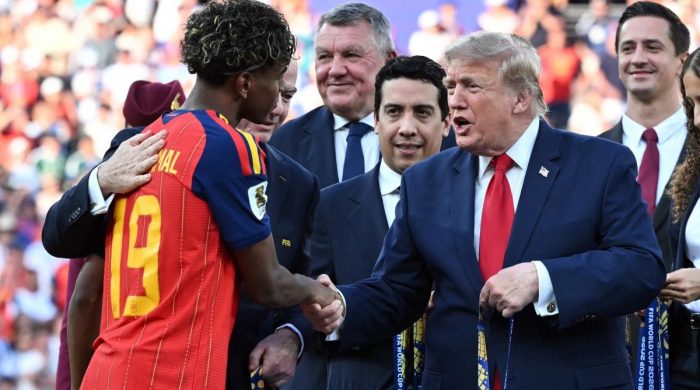
The starkid Lamine Yamal, along with his La Masia teammates in Pau Cubarsi and Pedri Gonzalez and the rest of the troop has an average age of around 27 years, replicating the 2010 triumphant era.
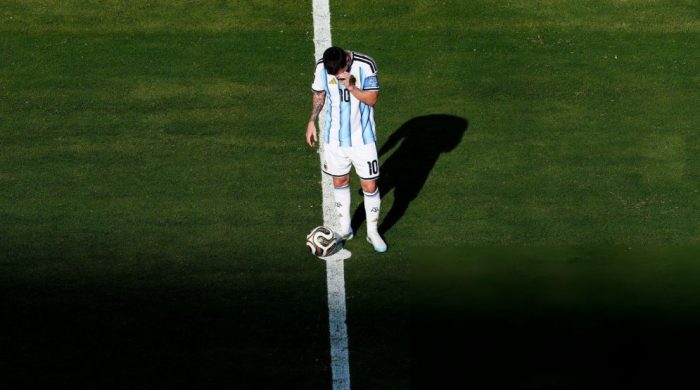
This fearless new lot, with players like Yamal and Cubarsi who are aged 19, has debunked one of the oldest and most believed notions in the entire sporting world, when they beat formidable and gritty defending champions, Argentina, who have players like Nicolas Otamendi and Lionel Messi, aged 38 and 39 respectively:
“Age and experience can no longer be set to stone as the ultimate hack to glory.”
If everything falls into place as it should, this young band of world champions is supposedly playing two more World Cups at the very least.
“Viva La Roja” chants are taking the streets again as the world embraces Spain 2.0 in motion.