Food Security Fears Grow Amid Fuel and Fertiliser Crisis

- Update Time : Saturday, April 18, 2026
- 40 Time
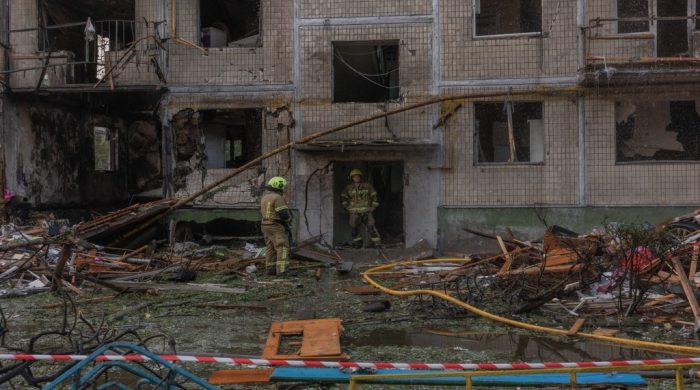
The war involving the United States and Israel against Iran is becoming prolonged, and its impact has spread across the Gulf region. This has disrupted daily life and damaged economies.
Conflicts of this kind bring enormous humanitarian and economic costs. Human losses include deaths, disability, displacement, trauma, collapse of education and healthcare systems, and family and social separation. Economic losses include military spending, destruction of infrastructure, reduced agricultural and industrial production, inflation, unemployment, and trade disruptions.
These effects place severe pressure on the overall economy, resulting in lower GDP growth. High inflation, joblessness, and slower growth create immense hardship for ordinary people.
Global trade under pressure
One of the major recent problems arising from the Gulf conflict is disruption to international trade.
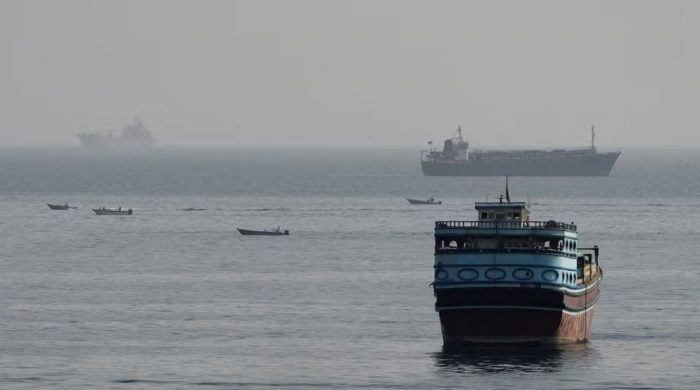
The Strait of Hormuz, which is under Iran’s control, is reportedly almost closed, severely affecting shipping movement. Around 20% of the world’s oil and liquefied gas passes through this route. In the last month alone, about 2,190 ships have reportedly been stranded in the Persian Gulf, including hundreds of oil and gas tankers and vessels carrying chemical fertilisers.
As a result, energy exports from Gulf countries are being disrupted, intensifying the global fuel crisis. Energy prices have increased sharply in some cases by one-and-a-half to nearly two times. Crude oil prices have reached $120 per barrel, compared with $65 last January.
This has increased transportation costs and the prices of essential goods. Inflation is rising rapidly, investment is declining, employment is shrinking, and GDP growth is being stifled. A global condition of “stagflation” appears to be emerging.
According to the World Trade Organization report Global Trade Outlook and Statistics, if oil and gas prices remain elevated throughout the year, global GDP growth could decline by 0.3 percentage points, while world trade could fall by 0.5%.
If fuel prices remain high for a prolonged period, irrigation in agriculture will be constrained, fertiliser use will decline, and production and business costs will rise. Consumer spending will also increase, threatening global food security.
Impact on Bangladesh
The Gulf conflict is having multidimensional negative effects on Bangladesh.
Due to fuel shortages, transport costs are rising, small and medium industries are facing production disruptions, and agriculture is being hampered. This is reducing output and increasing prices of essential commodities. As a result, the living standards of poor people are deteriorating. Investment and employment are also falling, placing GDP growth at risk.
If the war continues for a long time, economic losses for Bangladesh may deepen further.
Bangladesh meets 95% of its fuel demand through imports, and two-thirds of that comes from Middle Eastern countries. The Gulf war caused by the Iran-US-Israel conflict has therefore created severe pressure on Bangladesh’s energy sector.
With the Strait of Hormuz blocked, imports of oil, gas, and fertiliser from Qatar, Oman, Saudi Arabia, and United Arab Emirates are being disrupted.
The government has introduced rationing in fuel and electricity use. Some petrol pumps have already closed, while long queues have formed at those still operating.
Out of Bangladesh’s 143 power plants, at least 30 have reportedly stopped production due to shortages of fuel oil and gas.
Large industrial establishments are facing production setbacks because of diesel shortages. In the ready-made garment sector, the country’s main export earner, load-shedding of up to five hours a day is taking place. Low gas pressure has reduced textile mill production capacity by 30 to 40%.
Threat to agriculture
The most serious challenge is in agricultural production.
It is now the Boro rice season, when crops are in growing and flowering stages and require regular irrigation. Nearly half of Bangladesh’s irrigation pumps run on diesel, yet farmers are not getting sufficient supplies.
Irrigation is being disrupted, particularly in 16 districts of Rajshahi and Rangpur divisions, where many diesel-powered pumps remain idle because of the fuel shortage.
This may reduce Boro production. Around 54% of Bangladesh’s total rice output comes during the Boro season. If production is disrupted, national food security will be affected.
Farmers are also paying Tk15 to Tk20 above the official price per litre of diesel, while in some open markets the extra cost is Tk40 to Tk50 per litre. This is raising rice production costs.
The poultry and fisheries sectors are also under pressure. Chicken mortality is increasing, while fishing trawlers are operating below normal capacity.
Special measures should be taken to ensure uninterrupted fuel supply for agriculture. Fortunately, recent regular rainfall has helped reduce irrigation needs and saved some diesel.
Fertiliser crisis
The Gulf conflict has also pushed Bangladesh toward a major fertiliser shortage.
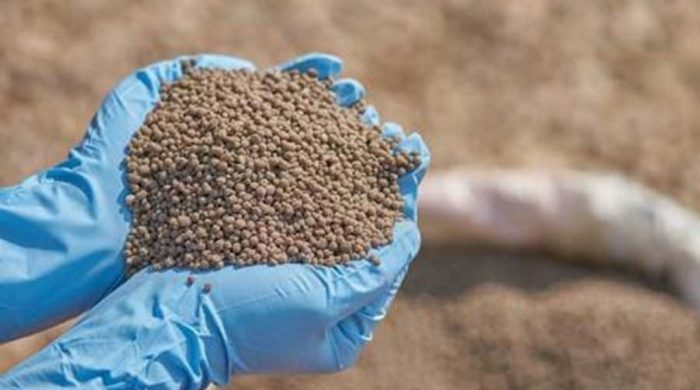
Annual urea demand is around 2.7 million tonnes, but domestic production reaches only about 1 million tonnes. Most of the remaining 1.7 million tonnes is imported from Saudi Arabia, Qatar, and the UAE.
Imports are now being disrupted.
Bangladesh has five urea factories, but four are shut down because of uncertainty in gas supply. At one time, 80% of national urea demand was met domestically, with only 20% imported. Now, due to declining production, around 80% of fertiliser demand is imported.
Given the current global reality, domestic fertiliser production should be increased. Gas should be supplied under special arrangements to keep fertiliser factories operating.
There is no major fertiliser problem for the current Boro season, but supply needs to be increased for upcoming Aus, Aman, and Rabi seasons.
There have already been reports of fertiliser shortages in several areas this Boro season, and prices have risen in some places. Future supply must be ensured, including imports from alternative sources if necessary.
Farmers should also be encouraged to use organic fertiliser, and support should be given for compost production.
Rising prices and inflation
Global oil prices have increased by around 80%, while fertiliser prices have risen by about 70%. This will affect Bangladesh’s agricultural input markets.
Higher production costs may drive agricultural commodity prices beyond the reach of ordinary people, increasing food inflation even further.
In this situation, subsidies for agricultural production should be increased to stabilise input prices.
Bangladesh has been suffering from persistently high inflation for the past three years. In February, overall inflation reached 9.13%, the highest in 10 months. Food inflation stood at 9.30%, compared with 8.29% in January.
Average inflation in 2025 was 8.77%.
According to the Food and Agriculture Organization (FAO), global food inflation rose by 2.5% last March. If supply chains do not normalize, food prices could rise by nearly 20% by June.
Controlling inflation should therefore be a top priority for the new government. For now, policy interest rates should not be reduced. Instead, the quality of public spending should improve, expenditure should be controlled, and revenue collection should be strengthened.
Remittance and foreign exchange risks
More than 5.5 million Bangladeshis work in the Arab world. If oil income declines in those countries, Bangladesh’s remittance earnings will be directly affected.
Bangladesh receives around $8 billion annually in remittances from Gulf countries. That income may now decline.
Bangladesh also exports garments, shrimp, and vegetables to those countries, meaning export earnings may fall as well.
Meanwhile, higher prices for oil and fertilizer could raise import costs in those sectors by nearly 50%. This would increase pressure on foreign exchange reserves and weaken the Bangladeshi currency.
A tight monetary and fiscal policy is therefore essential.
The government is also facing pressure to implement a new pay scale for public employees, requiring around Tk106,000 crore. Given the fragile state of revenue collection, any increase in government salary obligations should be handled cautiously.
Dr Jahangir Alam is an agricultural economist and former vice-chancellor of the University of Global Village.