Will Oil Become Cheaper Soon? Even If the War Stops, Price Pressures Are Unlikely to Ease Quickly

- Update Time : Sunday, April 12, 2026
- 36 Time

A natural question has arisen in the wake of recent tensions in the Middle East: if a ceasefire is reached, will oil prices swiftly return to their former levels? The realistic answer is: not anytime soon. For the energy market is not governed merely by declarations of war and peace. It is shaped by a complex interplay of supply dynamics, investor confidence, transportation risk, insurance costs, currency pressures, and global market psychology. For import-dependent economies such as Bangladesh, the implication is even clearer: even if the military flames of conflict subside, the economic aftershocks may linger for a considerable time. For ordinary consumers, this translates into sustained pressure on fuel, electricity, transport, food, and the overall cost of living.
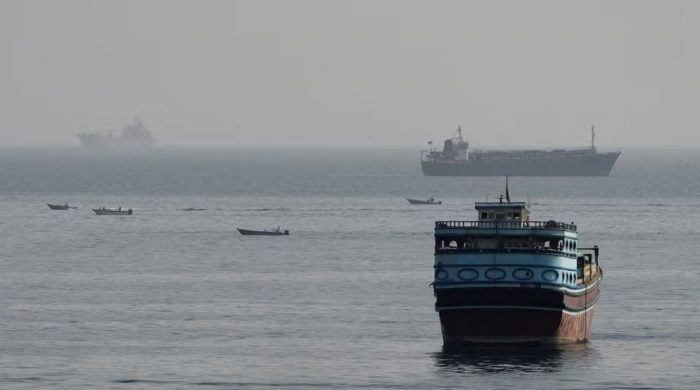
The Strait of Hormuz: A Strategic Corridor of Global Pulse
History demonstrates that in such moments, markets do not price only present supply conditions—they also price anticipated risk. Following the 2019 attack on Saudi Arabia’s Abqaiq facility, oil prices surged within days, despite a relatively swift restoration of production. The underlying fear was not what had already happened, but what might happen next.
The same logic persists today. Even in the presence of a ceasefire: Shipping companies adopt heightened caution, Insurance firms increase “war risk premiums”, Banks delay or tighten letters of credit (L/C) clearance, Suppliers embed risk into pricing structures. In other words, the reopening of a route does not immediately restore normalcy to the market.
Reality: Supply Chains Do Not Heal Instantly
Energy logistics are fundamentally governed by time. Oil and LNG shipments from the Gulf to Asia typically require 20 to 30 days at sea.
Thus, even if peace is declared today: Cargo already delayed in transit will still take time to arrive, Port congestion requires gradual clearance, Shipping schedules must be reorganised. It is much like opening a dam in a river the water does not reach the far end instantly. The post-COVID global shipping crisis revealed a similar truth: once supply chains fracture, recovery is measured in months, not days. The energy market follows the same law of inertia.
Bangladesh’s Exposure: Not Only Oil, But Dollar Stress
Bangladesh’s structural vulnerability lies in its dependence on imported energy. When global prices rise, three layers of pressure emerge simultaneously.
First: Foreign Exchange Strain
Higher import costs in US dollars intensify pressure on foreign reserves. A tightening dollar market, in turn, weakens the domestic currency.
Second: Electricity and Industrial Costs
A significant share of Bangladesh’s power generation depends on imported fuel and gas. Rising oil prices therefore:Increase electricity generation costs, Raise industrial production expenses, Reduce export competitiveness.
For instance, in the garment sector, higher energy costs elevate production expenses, potentially pushing international buyers toward alternative sourcing markets.
Third: Inflation in Food and Transport
Diesel dependent irrigation, freight transport, and river logistics become costlier. As a result: Agricultural prices rise, Urban transportation costs increase, General inflationary pressure builds across essential goods.
During the global energy shock of 2022, Bangladesh already experienced such pressures. A renewed disruption could prove even more complex if uncertainty persists longer.
The Next Three Months: What the Market May Look Like
From April through June, analysts typically describe the global oil market as entering a phase of “cautious uncertainty.”
A plausible scenario includes: Prices remaining above pre-crisis levels, A sustained “risk premium” embedded in markets, Delayed price adjustments in import-dependent economies.
For Bangladesh, this may translate into: Stricter energy conservation measures, Priority-based fuel allocation in certain sectors, Increased fiscal pressure from subsidies.
The Path Forward: Not Panic, but Adaptation
For Bangladesh, the imperative is not reactionary fear but structured adaptation.
In the short term: Reduce energy wastage, Prioritise critical sectors, Strengthen market monitoring mechanisms.
In the medium term: Expand strategic fuel reserves, Diversify import sources.
In the long term: Invest in solar and renewable energy, Improve industrial energy efficiency, Gradually reduce import dependency.
Reducing import dependence is not an immediate adjustment; it is a long-term structural transformation. It requires diversification in the energy sector through solar, wind, waste-to-energy systems, and expanded domestic gas exploration. It demands agricultural modernisation to reduce reliance on imported food oils. It calls for strengthening backward linkages in industry, developing local raw material capacity, and broadening export diversification beyond garments into ICT, pharmaceuticals, agro-processing, and shipbuilding.
Equally vital are improvements in port efficiency, digital customs systems, supply chain governance, and strategic reserves of both energy and food. Over time, investment in technical education, research, and innovation must underpin a more resilient production economy capable of withstanding global shocks.
Reflection
For ordinary people in Bangladesh, the most practical truth is this: swift relief in energy prices is unlikely. Even if war ceases, the scars of disrupted supply chains, market anxiety, and financial stress do not heal quickly. Oil is no longer merely a commodity at the pump it is an invisible determinant of economic stability, daily life, and national resilience.
“Wars may fall silent, but their economic echoes persist. Trust in energy markets returns slowly and in that delay lies the most valuable commodity of all time,” Kafi Khan said.
Disclaimer: This article is an analytical opinion based on available information. Market and geopolitical conditions are highly fluid, and actual outcomes may differ. Readers are advised to consult official and internationally recognized sources for updates.