Budget, Good Governance, and Inclusive Development: A Neutral Analysis of Public Policy and Economic Management

- Update Time : Saturday, July 4, 2026
- 0 Time

A national budget is far more than an annual statement of government revenues and expenditures. It is one of the most comprehensive policy instruments through which a government communicates its economic priorities, development strategy, fiscal discipline, and long-term vision for society. Every budget reflects a series of choices regarding how limited public resources should be mobilized and allocated to address competing national needs. These choices influence economic growth, social equity, institutional development, infrastructure, human capital, and the overall quality of governance. Consequently, the significance of a national budget extends well beyond financial accounting. It serves as a blueprint for public policy and a framework through which governments seek to translate political commitments into measurable socioeconomic outcomes.
The effectiveness of a budget, however, cannot be assessed solely by the magnitude of its revenue projections or expenditure allocations. Large development programs, ambitious infrastructure projects, and expanded social spending may generate optimism, but their ultimate value depends on successful implementation, institutional capacity, administrative efficiency, and prudent fiscal management. History demonstrates that well-designed policies require equally capable institutions to transform financial commitments into tangible improvements in people’s lives. For this reason, economists, development practitioners, and public policy scholars consistently emphasize that implementation quality is as important as policy design itself.
Modern development economics increasingly distinguishes between economic growth and human development. Gross Domestic Product remains an important indicator of economic activity, yet it does not by itself capture improvements in health, education, income security, institutional quality, environmental sustainability, or social inclusion. A nation may experience rapid economic expansion while significant disparities persist in access to opportunities and essential public services. Sustainable development therefore requires that economic progress be accompanied by equitable distribution, effective governance, institutional accountability, and investments that strengthen human capabilities across all segments of society.
National budgets are also closely connected with public confidence in government institutions. Citizens generally evaluate fiscal policy not only through macroeconomic statistics but also through their everyday experiences. The availability of quality healthcare, the accessibility of education, the condition of transportation infrastructure, the efficiency of administrative services, employment opportunities, and the stability of prices collectively shape public perceptions of economic management. When public institutions consistently deliver efficient services and manage resources responsibly, trust in governance tends to strengthen. Conversely, weaknesses in implementation, delays in project execution, or limited institutional capacity may reduce public confidence even when fiscal policies are well intentioned.
In an increasingly interconnected global economy, governments must also balance domestic priorities with international economic realities. Global inflation, supply chain disruptions, climate change, demographic transitions, technological transformation, and geopolitical developments all influence fiscal decision making. Modern budget preparation therefore requires continuous adaptation to changing domestic and international conditions while maintaining fiscal sustainability and protecting long-term development objectives.
Ultimately, the quality of a national budget should be judged not only by the promises it contains but also by the measurable outcomes it produces. Effective fiscal policy seeks to strengthen institutions, promote inclusive growth, reduce poverty, expand opportunities, encourage private sector development, protect vulnerable populations, and preserve macroeconomic stability. The relationship between fiscal policy, governance, and public welfare therefore remains one of the central subjects of contemporary public administration and development economics.
Governance and the Economics of Distribution
Among the most influential contributions to modern development economics is the work of Nobel Prize-winning economist Amartya Sen. In his landmark publication Poverty and Famines: An Essay on Entitlement and Deprivation, Sen fundamentally challenged the long-standing assumption that famines are primarily caused by an overall shortage of food. Through careful examination of historical evidence from several countries, he demonstrated that severe famines frequently occurred even when aggregate food supplies remained relatively adequate. His research showed that many people perished not because food did not exist, but because they lacked the economic means, legal entitlements, or institutional access necessary to obtain it.
Sen’s Entitlement Theory transformed international thinking about poverty, food security, and public policy. Rather than focusing exclusively on production, policymakers increasingly recognized the importance of income distribution, purchasing power, employment opportunities, functioning markets, and effective public institutions. His work demonstrated that governance, administrative effectiveness, and equitable access to resources are fundamental components of sustainable development. These insights continue to influence the policies of governments, multilateral development institutions, and humanitarian organizations throughout the world.
The broader implication of this perspective extends well beyond food security. Economic prosperity depends not only on the quantity of national resources but also on how effectively those resources are distributed, managed, and utilized. Public investment generates its greatest social return when institutions ensure transparency, accountability, efficiency, and equal opportunity. Citizens benefit most when public services are delivered fairly and consistently, allowing individuals from diverse socioeconomic backgrounds to participate meaningfully in economic life.
This understanding aligns with a broad range of philosophical, ethical, and legal traditions that emphasize justice, integrity, responsibility, and good governance as essential foundations of prosperous societies. Although these traditions differ in their historical origins and cultural expressions, they share a common recognition that responsible leadership and accountable institutions contribute significantly to long-term social stability and economic development. Contemporary governance research similarly concludes that institutional quality is among the strongest predictors of sustainable economic performance.
The relationship between governance and economic development has also been extensively examined by international organizations such as the World Bank, the Organisation for Economic Co-operation and Development, and the United Nations. Their research consistently indicates that countries with stronger institutions generally experience higher investment levels, greater public trust, more efficient public expenditure, and improved long-term development outcomes. Transparent procurement systems, independent oversight institutions, effective judicial frameworks, reliable regulatory environments, and professional civil services collectively enhance the capacity of governments to implement fiscal policy successfully.
For these reasons, discussions surrounding national budgets increasingly extend beyond financial allocations to include broader questions of governance quality. Budget preparation, implementation, monitoring, evaluation, and public accountability are now widely regarded as interconnected elements of responsible fiscal management. Effective governance ensures that public resources generate the greatest possible benefit for society while maintaining public confidence in democratic institutions.
The Relationship Between Vision and Implementation
Every national budget reflects aspirations for future development. Governments seek to expand infrastructure, strengthen healthcare systems, improve educational opportunities, stimulate private investment, generate employment, reduce poverty, and enhance national competitiveness. These ambitions provide strategic direction and demonstrate a government’s commitment to long-term development objectives. Visionary planning is therefore an essential component of public policy.
Nevertheless, international experience consistently demonstrates that ambitious objectives alone cannot guarantee successful outcomes. The effectiveness of any budget ultimately depends upon the capacity of public institutions to implement approved policies efficiently, transparently, and within established fiscal constraints. Revenue forecasts must be realistic, expenditure programs carefully prioritized, procurement systems professionally managed, and monitoring mechanisms sufficiently robust to ensure accountability throughout the implementation process.
The World Bank and the International Monetary Fund have repeatedly emphasized that expenditure quality frequently matters more than expenditure quantity. Well-targeted investments supported by effective institutions often produce greater economic and social returns than significantly larger expenditures administered through weak governance structures. Fiscal discipline, administrative competence, evidence-based policymaking, and continuous evaluation therefore remain essential components of successful public financial management.
Successful implementation also requires adaptability. Economic conditions evolve continuously due to domestic and international developments. Inflationary pressures, technological innovation, demographic change, environmental challenges, financial market conditions, and global economic uncertainty may require governments to adjust fiscal priorities while maintaining overall macroeconomic stability. Resilient public institutions possess the flexibility to respond effectively to changing circumstances without compromising long-term development objectives.
Another important dimension of implementation concerns institutional coordination. National development objectives often involve multiple ministries, regulatory agencies, local governments, and public enterprises. Effective collaboration among these institutions enhances policy coherence, reduces administrative duplication, improves service delivery, and increases the overall efficiency of public expenditure. Conversely, fragmented implementation structures may delay projects, increase costs, and reduce policy effectiveness despite adequate financial allocations.
Ultimately, the relationship between vision and implementation determines whether fiscal policy achieves its intended objectives. A well-designed budget establishes the framework for national progress, but it is effective implementation that transforms policy commitments into measurable improvements in economic performance, institutional quality, and human well-being.
Fiscal Policy and Public Confidence
Fiscal policy represents one of the most influential instruments through which governments shape economic activity, promote social welfare, and maintain macroeconomic stability. Decisions concerning taxation, public expenditure, borrowing, and debt management affect virtually every sector of the economy and every segment of society. Consequently, the effectiveness of fiscal policy extends beyond technical financial management and becomes an important determinant of public confidence in government institutions.
Taxation serves as the principal source of public revenue in most modern economies. Citizens and businesses contribute financial resources with the expectation that governments will convert those revenues into public goods and essential services. Roads, bridges, hospitals, schools, public health systems, judicial institutions, security services, environmental protection, and social safety nets are financed largely through public revenue. The legitimacy of taxation is therefore closely linked to the quality, accessibility, and efficiency of the services that governments provide.
Economic research consistently demonstrates that public trust significantly influences fiscal performance. Citizens are generally more willing to comply voluntarily with tax obligations when they perceive government institutions to be transparent, accountable, and effective. Conversely, when public expenditure is viewed as inefficient or lacking accountability, confidence in fiscal institutions may decline, potentially weakening long-term revenue mobilization efforts. This relationship illustrates that sound public finance depends not only on economic variables but also on institutional credibility and public trust.
Modern fiscal policy therefore seeks to achieve an appropriate balance between revenue generation and responsible expenditure. Excessive taxation may discourage investment and economic activity, while inadequate revenue collection may limit the government’s capacity to provide essential public services. Similarly, excessive public expenditure without sustainable financing may increase fiscal deficits and public debt, whereas insufficient investment in human capital and infrastructure may constrain long-term economic growth. Responsible fiscal management requires continuous evaluation of these competing objectives to maintain both economic stability and social development.
Fiscal sustainability has become increasingly important in an interconnected global economy. Governments must consider demographic changes, healthcare costs, pension obligations, climate adaptation, technological transformation, and external economic shocks when designing long-term fiscal strategies. Sustainable public finance therefore requires prudent borrowing, efficient expenditure management, diversified revenue sources, and continuous monitoring of fiscal risks. Countries that maintain sound fiscal institutions are generally better positioned to respond effectively to unexpected economic challenges while preserving long-term development objectives.
Public confidence also depends on the predictability and consistency of fiscal policy. Frequent policy reversals, uncertain regulatory environments, or inconsistent implementation may create uncertainty for households, businesses, and investors. Stable fiscal frameworks supported by credible institutions contribute to greater investment confidence, improved economic planning, and stronger private sector participation in national development. In this respect, fiscal policy functions not only as an economic instrument but also as a foundation for institutional stability and sustainable economic progress.
Transparency and Citizen Participation
Transparency has become one of the defining principles of contemporary public financial management. As governments assume increasingly complex responsibilities, citizens expect greater openness regarding how public resources are collected, allocated, and utilized. Transparent budgeting strengthens democratic governance by enabling citizens, legislators, researchers, civil society organizations, and the media to evaluate fiscal decisions using accessible and reliable information.
Many governments now publish comprehensive budget documents alongside simplified versions designed specifically for the general public. These citizen-oriented publications frequently include explanatory narratives, visual presentations, digital dashboards, comparative expenditure tables, and interactive online platforms that allow individuals to understand fiscal policies without requiring specialized economic knowledge. Such initiatives enhance public understanding while promoting accountability throughout the budget cycle.
Citizen participation has likewise become an increasingly important feature of modern fiscal governance. Public consultations conducted during budget preparation enable governments to identify local priorities, understand emerging social needs, and incorporate diverse perspectives into policy formulation. Participatory approaches encourage collaboration between government institutions and society while strengthening the legitimacy of fiscal decisions.
International experience indicates that transparency and participation contribute to more effective public expenditure. When information is readily available and decision-making processes remain open to public scrutiny, opportunities for administrative inefficiency and financial mismanagement are reduced. Independent oversight institutions, supreme audit bodies, parliamentary committees, and civil society organizations further reinforce accountability by monitoring the implementation of approved budgets and evaluating their outcomes.
Digital transformation has significantly expanded opportunities for transparent governance. Advances in information technology allow governments to publish real-time expenditure data, procurement information, project implementation progress, and performance indicators through publicly accessible digital platforms. Open data initiatives enable researchers and policy analysts to evaluate fiscal performance more comprehensively, supporting evidence-based recommendations for future reforms.
Transparency also contributes to economic confidence beyond the public sector. Investors, development partners, financial institutions, and international organizations frequently assess governance quality when evaluating investment environments and sovereign financial risk. Countries with transparent fiscal institutions generally experience stronger investor confidence, improved creditworthiness, and greater access to international financial markets.
Ultimately, transparency is not merely an administrative principle but a cornerstone of democratic governance. Open fiscal institutions strengthen accountability, improve policy quality, encourage informed public debate, and reinforce the relationship between citizens and the state. Budget transparency therefore serves both economic efficiency and democratic legitimacy.
Human Capital as a Strategic Investment
Among all categories of public expenditure, investment in human capital consistently generates some of the highest long-term social and economic returns. Education, healthcare, nutrition, scientific research, vocational training, and skills development collectively enhance individual capabilities while strengthening national productivity and competitiveness. For this reason, economists increasingly describe expenditure in these sectors as strategic investment rather than consumption.
Education remains one of the most important drivers of long-term economic development. High-quality educational systems cultivate knowledge, creativity, innovation, critical thinking, and technical competence. These attributes enable individuals to adapt to changing labor markets, contribute to scientific advancement, establish competitive businesses, and participate effectively in civic life. Countries that invest consistently in education generally experience higher productivity, stronger innovation ecosystems, and more diversified economies.
The quality of education depends upon numerous interconnected factors. Adequate financing, qualified teachers, modern curricula, research capacity, technological infrastructure, equitable access, and institutional governance all influence educational outcomes. Sustainable improvements therefore require comprehensive policy approaches rather than isolated financial interventions. Long-term planning, continuous evaluation, and evidence-based reforms remain essential components of educational development.
Healthcare represents another fundamental pillar of human capital formation. Healthy populations contribute more effectively to economic production, experience higher labor force participation, and require fewer resources to address preventable illnesses. Investments in preventive healthcare, primary care, maternal and child health, disease surveillance, medical research, and healthcare infrastructure strengthen both public health and economic resilience.
The COVID-19 pandemic demonstrated the close relationship between health systems and economic stability. Countries possessing resilient healthcare institutions generally recovered more rapidly from public health emergencies while minimizing long-term economic disruption. This experience reinforced the importance of continuous investment in healthcare capacity, emergency preparedness, scientific research, and institutional coordination.
Human capital development also encompasses lifelong learning and workforce adaptation. Technological innovation, automation, artificial intelligence, and digital transformation continue to reshape labor markets across the world. Governments increasingly recognize the need to support continuous skills development, vocational education, digital literacy, and professional training throughout individuals’ working lives. Such investments improve labor market flexibility while enhancing national competitiveness in knowledge-based economies.
Equitable access to education and healthcare remains equally important. Development strategies that expand opportunities across regions, income groups, genders, and communities contribute not only to social justice but also to broader economic efficiency. Inclusive human capital policies maximize national potential by enabling a larger proportion of the population to contribute productively to economic development.
International organizations including UNESCO, the World Health Organization, the Organisation for Economic Co-operation and Development, and the World Bank consistently emphasize that sustained investment in human capital represents one of the most reliable pathways toward long-term prosperity. Countries that prioritize education, healthcare, scientific research, and workforce development generally demonstrate greater resilience, stronger innovation capacity, higher productivity, and more sustainable economic growth over successive generations.
Infrastructure and Integrated Economic Development
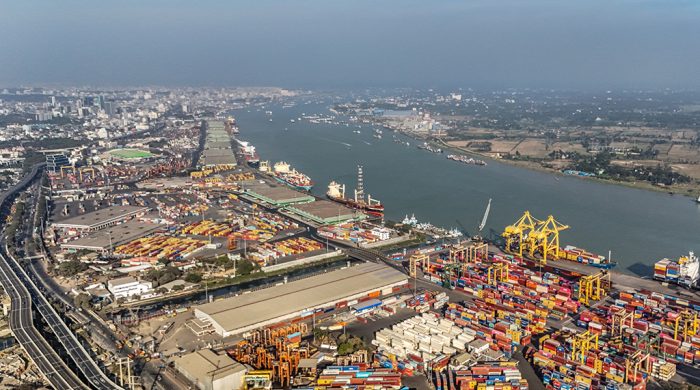
Infrastructure constitutes one of the principal foundations of sustainable economic development. Efficient transportation networks, reliable energy systems, modern digital connectivity, water and sanitation facilities, logistics platforms, ports, airports, and urban infrastructure collectively influence productivity, investment, trade, and the overall competitiveness of a nation. Public investment in infrastructure therefore serves not only immediate developmental objectives but also creates conditions that support long-term economic transformation.
Economic history demonstrates that countries achieving sustained growth have generally invested consistently in high-quality infrastructure. Well-developed transportation systems reduce the cost of moving goods and services, improve market integration, facilitate domestic and international trade, and increase labor mobility. Reliable electricity networks support industrial production and technological innovation, while digital infrastructure enables participation in the rapidly expanding global digital economy. Infrastructure investment therefore produces multiplier effects that extend well beyond the sectors in which the original expenditure occurs.
The economic benefits of infrastructure, however, depend not merely on the scale of investment but also on the quality of planning, project selection, implementation, and maintenance. International experience indicates that rigorous feasibility studies, transparent procurement procedures, effective contract management, and continuous monitoring significantly improve project outcomes. Infrastructure projects designed with careful consideration of long-term economic demand, environmental sustainability, and financial viability are more likely to generate durable public value than projects driven primarily by short-term considerations.
Integrated planning further enhances the effectiveness of infrastructure investment. Highways, railways, inland waterways, seaports, airports, industrial zones, logistics centers, and urban development projects are most productive when planned as interconnected components of a broader national development strategy. Such integration facilitates regional economic development, strengthens domestic supply chains, promotes export competitiveness, and encourages balanced growth across different geographical areas.
Infrastructure development also plays a significant role in reducing regional disparities. Investments in transportation and communication networks improve access to markets, healthcare, education, and employment opportunities for communities located outside major urban centers. Enhanced connectivity supports agricultural productivity, promotes tourism, facilitates small and medium-sized enterprises, and encourages private investment in emerging economic regions. In this way, infrastructure contributes both to economic efficiency and to greater social inclusion.
Private sector participation has become an increasingly important element of infrastructure financing in many countries. Public-private partnerships, where appropriately designed and transparently governed, can mobilize additional financial resources, encourage innovation, and improve operational efficiency. Nevertheless, successful partnerships require clearly defined contractual arrangements, effective regulatory oversight, equitable risk allocation, and strong institutional capacity to protect the public interest throughout the life of a project.
Technological change is also reshaping infrastructure planning. Smart transportation systems, digital governance platforms, renewable energy technologies, intelligent logistics networks, and data-driven urban management increasingly influence how governments design and manage public assets. Investment decisions that anticipate future technological developments are more likely to remain economically relevant over extended periods and to strengthen national competitiveness in an evolving global economy.
Ultimately, infrastructure should be viewed not as an isolated collection of physical assets but as an integrated system that supports economic productivity, social mobility, environmental sustainability, and national resilience. The long-term success of infrastructure investment depends upon sound governance, strategic planning, institutional competence, and continuous maintenance, ensuring that public assets continue to generate value for future generations.
Waterways, Environmental Sustainability, and Economic Resilience
Environmental sustainability has become an integral component of modern economic policymaking. Rather than viewing environmental protection and economic development as competing objectives, contemporary research increasingly recognizes that long-term prosperity depends upon the responsible management of natural resources. Rivers, forests, coastal ecosystems, wetlands, biodiversity, and water resources provide essential ecological services that support agriculture, transportation, industry, tourism, and public health.
For countries with extensive river systems, waterways constitute both environmental assets and strategic economic infrastructure. Navigable rivers facilitate the movement of goods and people, reduce transportation costs, support fisheries, promote tourism, and strengthen regional trade. Maintaining river navigability through appropriate dredging, scientific river management, and integrated water resource planning therefore contributes to both economic productivity and environmental resilience.
Climate change has introduced additional challenges that require governments to incorporate environmental considerations into fiscal planning and infrastructure development. Rising sea levels, extreme weather events, floods, droughts, and changing rainfall patterns affect agricultural production, urban development, public health, and national infrastructure. Consequently, adaptation and resilience have become central objectives of public investment strategies in many parts of the world.
International organizations, including the United Nations Environment Programme and the Intergovernmental Panel on Climate Change, emphasize that investments in environmental sustainability often generate substantial long-term economic benefits. Healthy ecosystems improve water security, strengthen disaster resilience, support biodiversity, reduce environmental degradation, and protect livelihoods that depend directly upon natural resources. Sustainable environmental management should therefore be regarded as a productive economic investment rather than solely as a conservation initiative.
The concept of the green economy has further expanded the relationship between environmental stewardship and economic development. Renewable energy, energy efficiency, sustainable transportation, circular production systems, and environmentally responsible urban planning create opportunities for innovation, employment, and technological advancement while reducing environmental risks. Governments increasingly incorporate these principles into national development strategies to promote both economic competitiveness and ecological sustainability.
Integrated water resource management illustrates the importance of coordinated policymaking. River systems frequently serve multiple purposes simultaneously, including transportation, irrigation, fisheries, drinking water supply, hydropower generation, ecosystem conservation, and tourism. Effective governance therefore requires cooperation among multiple institutions, scientific planning, community participation, and evidence-based decision making to balance these diverse and sometimes competing objectives.
Environmental sustainability also contributes directly to fiscal resilience. Investments that reduce disaster risk, strengthen climate adaptation, and preserve natural ecosystems often lower future public expenditure associated with emergency response, infrastructure reconstruction, and economic recovery. Preventive environmental management therefore represents both an ecological necessity and a fiscally responsible strategy.
As countries pursue long-term development, integrating environmental sustainability into public finance
Institutional Accountability
Strong institutions form the foundation of effective governance and sustainable economic development. Regardless of the quality of fiscal policy or the scale of public investment, successful implementation depends upon institutions that operate transparently, professionally, and consistently within the framework of the rule of law. Institutional accountability ensures that public authority is exercised responsibly, public resources are managed efficiently, and policy objectives are pursued in the public interest.
Accountability encompasses several interconnected dimensions. Legal accountability requires that public officials comply with constitutional and statutory obligations. Administrative accountability focuses on professional standards, operational efficiency, and adherence to established procedures. Financial accountability emphasizes prudent management of public funds, accurate financial reporting, independent auditing, and effective internal controls. Democratic accountability enables elected representatives, citizens, and civil society organizations to evaluate government performance through transparent political processes.
Independent oversight institutions contribute significantly to strengthening accountability. Supreme audit institutions, parliamentary committees, anti-corruption agencies, judicial bodies, regulatory authorities, and information commissions each perform distinct functions in promoting transparency and ensuring compliance with legal and financial standards. Their effectiveness depends upon institutional independence, professional competence, adequate resources, and public confidence.
Evidence-based policymaking has also become an essential characteristic of accountable governance. Governments increasingly rely on statistical analysis, economic modeling, policy evaluation, and empirical research to design and assess public programs. Continuous monitoring enables policymakers to identify implementation challenges, adjust priorities when necessary, and improve the effectiveness of future interventions. This process supports more efficient allocation of public resources while reducing unintended policy consequences.
Professional public administration remains equally important. Civil servants, technical experts, economists, engineers, healthcare professionals, educators, and regulatory specialists collectively contribute to the implementation of public policy. Merit-based recruitment, continuous professional development, ethical standards, and institutional stability enhance administrative capacity and improve service delivery across government institutions.
Public access to information further strengthens accountability by enabling independent analysis of government performance. Freedom of information legislation, open government initiatives, digital transparency platforms, and public consultation mechanisms encourage informed civic engagement while promoting constructive dialogue between governments and citizens. Greater transparency also strengthens investor confidence and enhances the credibility of public institutions within the international community.
Institutional accountability should therefore be understood as a continuous process rather than a single administrative requirement. Strong institutions evolve through sustained commitment to transparency, professionalism, ethical governance, independent oversight, and evidence-based decision-making. Countries that consistently strengthen these institutional foundations are generally better positioned to achieve long-term economic stability, social progress, and sustainable development.
Measuring Budget Success
Public discussion surrounding a national budget often begins immediately after its presentation. Governments, legislators, economists, businesses, civil society organizations, and the media examine proposed revenues, expenditure priorities, taxation measures, and development initiatives. These early discussions are valuable because they encourage democratic debate and allow stakeholders to assess the government’s policy direction. Nevertheless, an immediate reaction provides only a preliminary assessment of a budget’s potential. The true effectiveness of fiscal policy can only be evaluated over time through objective evidence and measurable outcomes.
A comprehensive assessment of budget performance extends beyond financial statistics and annual expenditure reports. It considers whether fiscal policies contribute to sustained economic growth, macroeconomic stability, productive employment, improved living standards, and greater resilience to domestic and international economic challenges. It also examines whether public investment strengthens healthcare systems, expands educational opportunities, improves infrastructure, supports private sector development, and enhances the efficiency of public institutions.
Economic indicators remain important components of this evaluation. Sustainable revenue generation, responsible debt management, prudent fiscal balances, controlled inflation, stable purchasing power, and increased productive investment provide valuable evidence regarding macroeconomic performance. At the same time, these indicators should be interpreted alongside broader measures of human development, institutional effectiveness, environmental sustainability, and social inclusion. Economic progress is most meaningful when improvements in national income are accompanied by expanded opportunities and higher standards of living for the population as a whole.
The effectiveness of public expenditure is another essential dimension of budget evaluation. Allocating financial resources to priority sectors is only the first stage of fiscal management. Equally important is the capacity of institutions to implement projects efficiently, complete them within reasonable timeframes, maintain appropriate quality standards, and ensure that intended beneficiaries receive the expected services. Delays, cost overruns, administrative inefficiencies, or weak monitoring mechanisms may reduce the long-term value of public investment despite substantial financial commitments.
Public confidence also serves as a meaningful indicator of successful fiscal governance. Citizens develop trust in public institutions when government policies demonstrate consistency, transparency, accountability, and measurable improvements in everyday life. Reliable public services, accessible healthcare, quality education, efficient transportation, effective regulatory systems, and stable economic conditions collectively strengthen confidence in national institutions. Such confidence contributes to greater civic participation, stronger voluntary tax compliance, improved investment climates, and more resilient democratic governance.
International organizations increasingly encourage governments to adopt performance-based budgeting and evidence-based evaluation frameworks. These approaches emphasize measurable outputs, policy outcomes, efficiency indicators, and long-term societal impact rather than focusing exclusively on expenditure levels. Continuous monitoring, independent evaluation, and transparent reporting enable governments to identify successful policies, address implementation challenges, and improve future fiscal planning.
Budget success should therefore be understood as a multidimensional concept that combines sound macroeconomic management with effective governance, institutional quality, human development, environmental sustainability, and social progress. Financial discipline remains essential, but its ultimate purpose is to support broader national development objectives that improve the well-being of present and future generations.
Reflection
A national budget is ultimately an expression of public policy in action. While revenue estimates, expenditure allocations, and development priorities establish the strategic framework, the effectiveness of a budget depends upon implementation, institutional capacity, transparency, and accountability. Fiscal policy achieves its greatest value when financial resources are managed efficiently and translated into measurable improvements in economic opportunity, public services, and human well-being.
The relationship between economic growth and inclusive development remains central to contemporary public policy. Sustained prosperity requires more than increases in national income. It depends upon effective governance, equitable access to opportunities, responsible fiscal management, investment in human capital, resilient infrastructure, environmental sustainability, and institutions capable of adapting to changing national and global conditions. These elements reinforce one another and collectively determine the long-term trajectory of national development.
Modern fiscal governance also recognizes that transparency and public participation strengthen both policy quality and democratic legitimacy. Citizens who understand how public resources are collected, allocated, and utilized are better positioned to participate constructively in public discourse and to hold institutions accountable through informed engagement. Open government practices, evidence-based policymaking, and independent oversight contribute to greater public confidence while improving the efficiency and credibility of fiscal management.
The growing complexity of the global economy further underscores the importance of resilient public institutions. Economic uncertainty, technological transformation, demographic change, climate risks, and evolving international markets require governments to remain adaptable while preserving fiscal sustainability and long-term development objectives. Budgets must therefore balance immediate policy priorities with investments that enhance future productivity, innovation, and resilience.
Ultimately, the enduring success of a national budget is measured not by the scale of its financial commitments alone but by its capacity to create lasting public value. When fiscal policy promotes responsible governance, strengthens institutions, expands opportunities, protects vulnerable populations, encourages sustainable economic growth, and enhances the quality of life for all citizens, the budget becomes more than an annual financial document. It becomes an instrument of national development, social progress, and public trust, providing a durable foundation upon which future generations can build a more prosperous, inclusive, and resilient society.