The Five Pillars Of Islam

- Update Time : Monday, August 31, 2026
- 0 Time
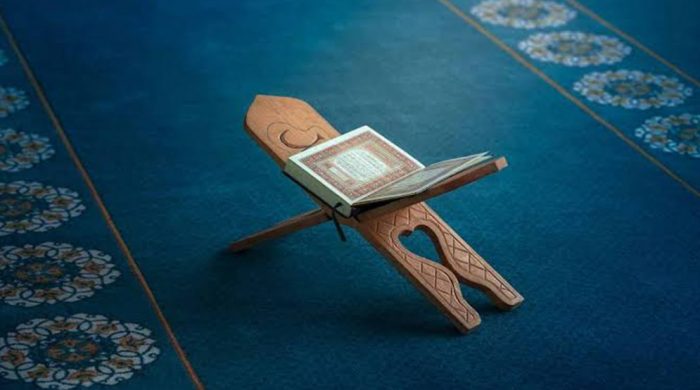
The Five Pillars of Islam form the foundation of the faith, outlining the core beliefs and religious practices followed by Muslims around the world.
The pillars are Shahada, or the profession of faith; Salat, the five daily prayers; Zakat, charitable giving; Sawm, fasting during the holy month of Ramadan; and Hajj, the pilgrimage to the holy city of Makkah.
The second pillar is Salat, under which Muslims perform five daily prayers at prescribed times—at dawn, noon, afternoon, sunset and at night. Muslims offer their prayers facing the Kaaba in Mecca and may pray individually or collectively at a mosque.
Friday holds special significance for congregational prayer, when Muslims gather at mosques for the weekly Jumu’ah prayer and listen to a sermon.
Zakat, the third pillar, represents the obligation to give a prescribed portion of one’s wealth to those in need. The practice promotes social responsibility and encourages Muslims to support disadvantaged members of society.
The fourth pillar, Sawm, requires healthy adult Muslims to fast from dawn until sunset during Ramadan, the ninth month of the Islamic calendar. During the fast, Muslims abstain from food and drink while focusing on prayer, self-discipline and spiritual reflection.
Fasting also serves as a reminder of the hardships faced by those living in poverty and reinforces the importance of compassion and helping people in need.
The fifth pillar, Hajj, is the pilgrimage to Mecca in Saudi Arabia. Every Muslim whose health and financial circumstances permit is required to perform the pilgrimage at least once in a lifetime.
The Kabah, located at the centre of Masjid al-Haram in Mecca, is the focal point of the pilgrimage and the direction towards which Muslims around the world face during their daily prayers.
Together, the Five Pillars provide the fundamental framework for the religious and spiritual lives of Muslims, combining faith, worship, charity, self-discipline and devotion to Allah.