Fading Walls of July Uprising: Disillusionment and Gen Z Crisis

- Update Time : Saturday, May 16, 2026
- 47 Time
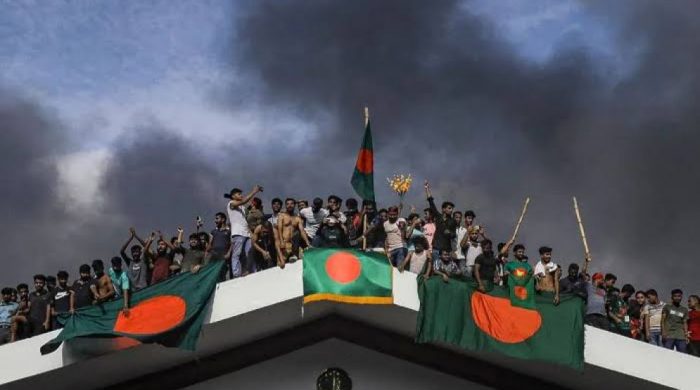
In the immediate aftermath of the July 2024 mass uprising, the urban landscape of Bangladesh underwent a radical metamorphosis. Concrete walls across Dhaka, Chattogram and beyond were transformed into vibrant tapestries of defiance, memory, aspirations and new hope. Iconic sketches of Abu Sayeed and Mir Mugdho stood as structural testaments to a fearless generation that shattered a 16-year autocratic rule.
During the tumultuous period, the walls of Dhaka became the most candid historians of Bangladesh. Armed with spray cans and unyielding courage, the Bangladeshi youth transformed grey concrete into vibrant canvases. Written not in the dry and convoluted bureaucratic prose but in the vivid and uncompromising brushstrokes of Gen Z, the street art laid down a radical new social contract. It demanded absolute anti-discrimination – a total dismantling of institutional privilege and an uncompromising dedication to pluralism. When the youth painted a branching tree where every leaf represented a distinct identity – Hindu, Muslim, Christian, Buddhist and indigenous communities – they were visualising a nation that finally belonged to all its children.

Two years later, unfortunately, a further transformation is taking place across the country. The iconic graffiti is fading, systematically painted over, or replaced by corporate advertisements and partisan political slogans. On the surface, it is masked as an effort to “clean up” public spaces. But underneath the fresh coats of paint, a more troubling anxiety looms: the gradual erasure of the revolutionary youth spirit, matched by a growing sense of frustration among Gen Z. This erasure of public art is not merely an aesthetic loss; it is a visual metaphor for a much deeper systemic crisis. As the paint peels, a profound sense of disillusionment is settling into the hearts of Gen Z, replaced by a familiar, sterile political landscape, resulting in a brooding and dangerous frustration.
Following the February 2026 national elections, the vibrant, chaotic demands of the streets have been systematically painted over or boxed into safe, managed exhibits. In their place, the public is treated to the highly structured rhetoric of “state reform” and “economic consolidation”. This is no longer the inclusive aspiration of the uprising; it is the institutional jargon of the political elites trying to force a messy uprising back into a traditional mould. A dangerous chasm has opened between the unfiltered language of the graffiti and the rigid rhetoric of the established order, and within that gap, a deeper youth disappointment is beginning to grow.
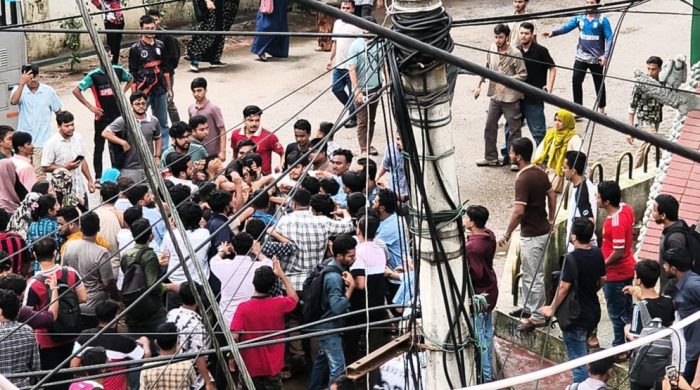
The first warning signs of this disconnect emerged early, perhaps most vividly during the controversy over the National Curriculum and Textbook Board (NCTB) grammar textbook. The inclusion of the iconic “multi-identity” leaf graffiti was intended to celebrate the diverse fabric of the uprising. Yet, at the first sign of pressure from regressive, conservative factions objecting to constitutional phrasing, the authorities promptly erased the artwork from the online text. For the indigenous youth and progressive students who were subsequently attacked while peacefully protesting this erasure outside the NCTB office, the lesson was bitter and immediate: the state’s official rhetoric of inclusivity ended exactly where political convenience began.
The governance of the interim administration under Professor Muhammad Yunus promised deep-state cleanup and institutional accountability or transparency. However, the slow pace of structural reforms combined with unchecked inflation, a volatile law-and-order situation and the persistence of mob violence severely fractured youth’s confidence. The subsequent transition to an elected parliament under traditional party dynamics has already left many young political figures feeling sidelined – treated as temporary shields rather than permanent change-makers of the nation.
The youth who took to the streets did not fight simply to swap one set of rulers for another. They fought for a structural overhaul, a complete end to institutional discrimination, and the eradication of the fascistic habits of state power. Yet, looking at the political landscape following the February 2026 national elections, it is deeply troubling to witness how quickly the old familiar political settlements or structures have reasserted themselves.
For the student community, the disillusionment is rooted in a bitter reality. The primary catalysts of the 2024 mass uprising – crippling youth unemployment, a lack of meritocracy and economic inequality – remain largely unaddressed. While the newly elected government assumed office with grand rhetoric, its immediate focus seemed to be the consolidation of partisan power rather than fulfilling the core public mandates of the “July Charter”. The political elites seem to have forgotten that nearly 40 per cent of the electorate consists of young voters who expect time-bound and credible commitments rather than high-sounding political manifesto pledges.
By painting over the revolutionary graffiti, society is attempting a premature sanitisation of our history. Street art serves as an essential form of citizen journalism and collective conscience. It reminds those in power of the blood spilt on the asphalt. To wash away these visual reminders is an attempt to force a false normalcy upon a generation that knows the system is still broken. It sends a chilling message to Gen Z: the youth’s anger was useful to change the regime, but their ideals are too disruptive for the status quo.
The disillusionment brings us to a perilous crossroads. When the avenues for peaceful democratic expression, visual dissent and institutional participation are squeezed, the resulting frustration does not vanish – it curdles. The youth who stood fearlessly before bullets in July-August 2024 might not accept a return to the political tokenism and cronyism of the past.
The current leadership of the ruling party must understand that youth frustration cannot be managed by cosmetic reform. The fading of the graffiti must not be allowed to parallel the fading of the people’s democratic aspirations. If the government fails to improve law-and-order situation, tackle economic hardships, create employment opportunities and uphold the anti-discriminatory principles of the July mass uprising, the brewing public resentment will inevitably find a new outlet. Of course, the people of Bangladesh want to see a sustainable democracy with accountability.
_____________________________________
The writer is an Associate Professor, Department of English, Stamford University Bangladesh. He could be contacted at [email protected]