Every child deserves equal start

- Update Time : Saturday, July 25, 2026
- 11 Time
Investing in early childhood is not simply a social obligation but a national imperative, writes Md Siddique Ali
A child’s future is shaped long before they enter a classroom. Just as the morning foretells the day, the quality of early childhood determines a person’s lifelong opportunities, wellbeing and success. A strong start means growing up in a safe, nurturing and stimulating environment where children enjoy their fundamental rights to health, nutrition, protection and education. The United Nations Convention on the Rights of the Child recognises every child’s rights to survival, protection, development and participation. Development extends beyond schooling. It includes physical, cognitive, emotional, social, linguistic and motor development, all of which are essential for children to realise their full potential.
The early years represent the most critical stage of human development. Around 90 per cent of brain development takes place during the first five years of life, while language skills are largely established within the first three years. These are irreplaceable windows of opportunity. When children are deprived of adequate nutrition, healthcare, early learning or emotional support during this period, the consequences often last a lifetime. Learning gaps widen, developmental delays become harder to overcome and future productivity declines. Investing in early childhood is therefore not simply a social obligation but a national imperative.
Yet Bangladesh continues to deny many children an equal beginning. Rather than creating a level playing field, the country’s fragmented and poorly regulated early childhood care and education system reinforces inequality from birth. A child’s opportunities are largely determined by family income, place of residence and the type of institution they attend. Children from affluent urban families enrolled in well-resourced private schools generally receive better healthcare, nutrition, learning opportunities and developmental support. Those from poorer households, particularly those attending government schools, NGO schools or madrasas, often lack access to even the most basic services.
These disparities shape children’s futures long before they enter the labour market. Those with access to quality early childhood services are more likely to perform well in school, remain in education and develop the skills needed for productive employment. Others are forced to overcome disadvantages they did not create. Such unequal beginnings deepen social divisions, perpetuate poverty and undermine national cohesion.
The evidence is unequivocal. International research consistently shows that countries failing to provide universal, quality early childhood care and education services face higher rates of poor health, school repetition, dropout and learning difficulties. Children deprived of quality early learning are less likely to acquire the skills required for decent work and productive citizenship. Over time, societies bear the costs through lower employment, reduced productivity, weaker economic growth, persistent intergenerational poverty and greater social instability.
Recognising these realities, global frameworks including the UNCRC and the Sustainable Development Goals place strong emphasis on equitable access to quality early childhood care and education. Bangladesh has endorsed these commitments, but implementation remains fragmented. Health, nutrition, education and social protection continue to operate largely in isolation despite serving the same children.
Early childhood development cannot succeed through isolated interventions. It requires coordinated action across multiple sectors to address children’s diverse needs holistically. Bangladesh therefore needs a comprehensive national framework that integrates health, nutrition, education, social protection and child wellbeing under common policies, legal standards and quality benchmarks consistent with international best practice.
One practical step would be establishing an independent National Institute for Early Childhood Care and Education. Such an institution could provide the coordination, oversight and technical leadership currently missing from the system. It would serve as the focal point linking ministries and agencies responsible for education, health, nutrition, social protection and child welfare while ensuring coherence in policy design and service delivery.
The institute should also lead the development of inclusive national policies, establish quality standards, monitor implementation and provide technical guidance to government agencies and service providers. Equally important, it should promote public awareness of early childhood development, support research and advocacy, strengthen partnerships with development organisations and establish effective monitoring and feedback systems to improve accountability.
A stronger institutional framework should also transform existing pre-primary schools and madrasas into community-based child development hubs. At present, most pre-primary institutions provide limited educational support while overlooking children’s broader developmental needs. These centres could instead offer integrated services including health screening, nutrition support, psychosocial care, parental guidance and early learning under one roof. Areas without pre-primary facilities should receive newly established centres to ensure universal coverage.
Such a model would require trained professionals in early childhood development, health care, nutrition, psychosocial support and education. Rather than assigning specialists to every institution, a cluster-based approach could improve efficiency, with multidisciplinary teams serving groups of 15 to 20 centres according to national service standards. This would make the system both operationally and financially sustainable.
Effective governance will be equally important. The proposed institute should establish robust mechanisms for policy coordination, professional training, monitoring and evaluation, resource mobilisation and continuous quality improvement. Capacity building should extend to teachers, healthcare workers, social workers and local administrators to strengthen understanding of children’s rights and holistic development. Transparent reporting, public participation, accessible information and effective feedback mechanisms would further enhance accountability and public confidence.
Bangladesh should also adopt a practical framework built around three guiding principles: culture, context and capacity. Early childhood programmes must respect local cultural realities, respond to community needs and continuously strengthen institutional and professional capacity. Aligning these principles with global standards would allow Bangladesh to unify its fragmented early childhood care and education landscape while ensuring that every child receives the support necessary to thrive.
The country’s demographic future, economic competitiveness and social cohesion will depend not only on how many children it educates, but on how well it nurtures them from the very beginning. Equal opportunity cannot begin at secondary school or even in primary school. It begins at birth. If Bangladesh is serious about building human capital and achieving sustainable development, universal, high-quality early childhood care and education must become a national priority rather than an afterthought. Every child deserves the same chance to grow, learn and fulfil their potential, regardless of where they are born.
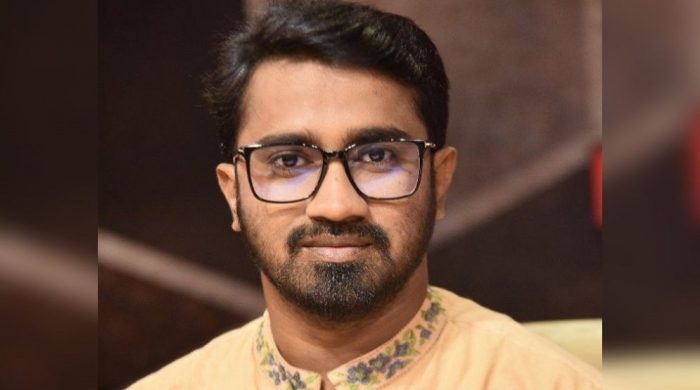
Md Siddique Ali is a former country director (interim) and programme manager for education at BRAC International in Afghanistan.