Media under Yunus: A period of fear and control

- Update Time : Wednesday, April 29, 2026
- 38 Time
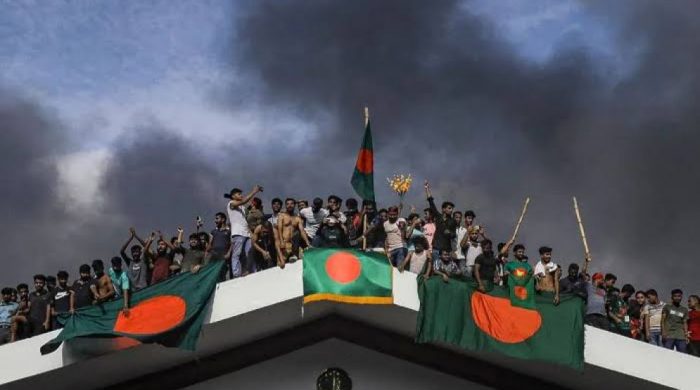
What was the state of the media during the interim period? Takeovers and counter-takeovers became almost routine. Dismissals and a barrage of cases disrupted the normal functioning of the press. The same picture prevailed across both print and television. Mob intimidation was widespread.
During the 18-month rule of Professor Muhammad Yunus, the media could hardly perform its basic duties. Fear, threats and job losses repeatedly stalled its operations. Self-censorship turned into a pandemic, the consequences of which are still being felt.
Adviser to Prime Minister Tarique Rahman, Dr Zahed Ur Rahman, recently remarked that he no longer sees the same level of “vibration” in the media. That reflects reality. Fear still lingers, and many journalists remain anxious about losing their jobs.
After 5 August, the media landscape changed abruptly. Those who had abandoned journalistic ethics to echo the previous government’s line disappeared overnight. The question then arose: who would fill the vacuum? Owners themselves appeared unsettled, and competition to occupy the space intensified. The outcome was a tightly controlled media environment. Many lost their jobs, some fled the country, while others faced sweeping murder cases.
Such a situation had never been witnessed before. A culture of media capture took root. Many, fearing dismissal, gravitated towards Shahbagh, from where media operations were allegedly influenced. Instructions flowed continuously, phone calls became frequent, and intimidation tactics — including threats linked to airports — were used to subdue the press. The media, in many cases, appeared to surrender.
Frequent takeovers and dismissals tarnished the entire sector, earning it the label of “regime-friendly media”. This stood in stark contrast to the spirit of 5 August, which had called for a free and independent press — an expectation that remained unfulfilled.
The price of aligning with power politics proved costly. Under the cover of media freedom, some also pursued business interests. Should investigations be conducted in future, startling details may emerge.
Incidents of arson targeting media outlets were unprecedented and reflected the influence of unhealthy politics. Journalists were largely silent, with only limited protests. Advisers remained quiet, while Professor Yunus himself appeared detached. His advisory council, critics say, failed to play any meaningful role and, at times, exacerbated tensions through manoeuvring within the administration.
The role of the police remained questionable, with no investigations conducted into these incidents. It has yet to be established who was responsible, though evidence suggests the acts were planned. The sweeping murder cases also remain unresolved. Many affected individuals require medical treatment abroad but have been unable to travel. Even after the return of a democratic government, no visible steps have been taken.
However, Prime Minister Tarique Rahman has said his government will look into the matter. While politics has always had a presence in the media, during authoritarian periods it became centralised and tightly controlled, preventing the press from calling a spade a spade.
Globally, the media is already facing an existential crisis. The Iran war has further eroded credibility, blurring the line between misinformation and fact. People increasingly struggle to distinguish truth from falsehood. The rise of artificial intelligence has compounded the problem, leaving audiences more vulnerable than ever.
Bangladesh, meanwhile, has yet to move beyond a culture of compliant journalism — one that now resembles a widespread contagion.