It is time to build democratic Bangladesh

- Update Time : Monday, March 2, 2026
- 40 Time
As the year turns, March once again stands at our doorstep. In the national life of Bangladesh, the month carries profound significance. Its arrival evokes memories of the fiery struggle for independence. No dignified nation can endure life without freedom.
Yet independence is not secured merely by wishing for it; it demands immense sacrifice. Historically, the people of this land have been more politically conscious and freedom-loving than many other regions of the Indian subcontinent. The price paid by the people of Bangladesh for their freedom is unparalleled.
British colonial authorities were well aware of this spirit. A confidential document once observed that what people in Bengal think today, others in India think tomorrow. The British feared that if the people of Bengal remained united, their rule would be endangered. In 1905 they partitioned Bengal into East and West, publicly citing administrative convenience, though political motives lay beneath.
Bangladesh’s independence did not come suddenly. It followed a long struggle marked by repeated betrayal. The Lahore Resolution of 1940 had envisaged one or more independent Muslim-majority states. Later modifications led to the creation of a single Pakistan, which many in this region accepted in hope of dignity through religious unity. However, disputes over the state language soon exposed deep inequities. When Urdu alone was declared the state language, the people of this region resisted, sacrificing their lives to uphold Bangla. Few nations have shed blood for their mother tongue as Bengalis did.
Language-based nationalism became the driving force behind subsequent movements against social and economic discrimination. The 1970 election highlighted stark disparities between the two wings of Pakistan. The core spirit of the independence movement lay in establishing government through majority mandate and eliminating inequality. Had power been transferred to the elected representatives in 1970, history might have unfolded differently.
Ultimately, in 1971, after immense sacrifice and the loss of millions of lives, Bangladesh achieved independence. It was won through blood, not granted by favour.
Independence brought immense joy, yet disillusionment soon followed. The formation of a broad-based national government might have fostered unity, but instead one-party rule was established in 1975. Political freedoms were curtailed, institutions weakened and economic mismanagement led to the devastating famine of 1974. Subsequent elections, particularly in recent years, further eroded confidence in democratic processes.
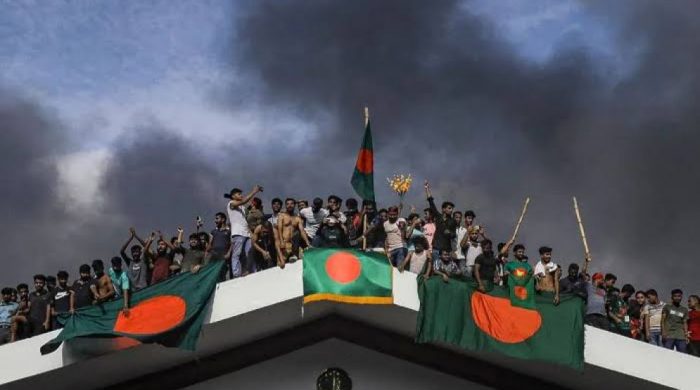
Today, following a widely praised election, a BNP-backed alliance has secured a two-thirds majority. The new government has a historic opportunity to consolidate national unity forged through the July mass uprising and to build a modern, democratic and equitable Bangladesh. If it succeeds, it will earn enduring respect from the nation.
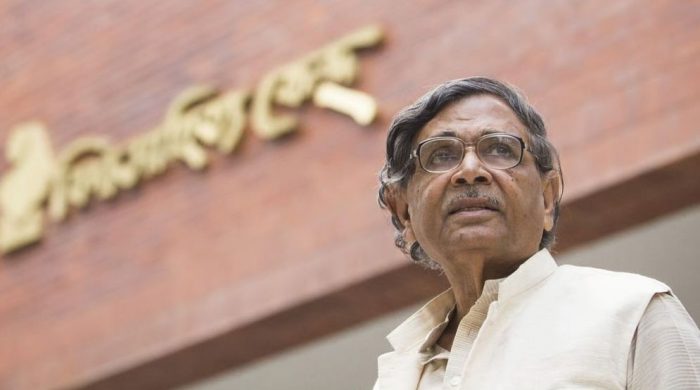
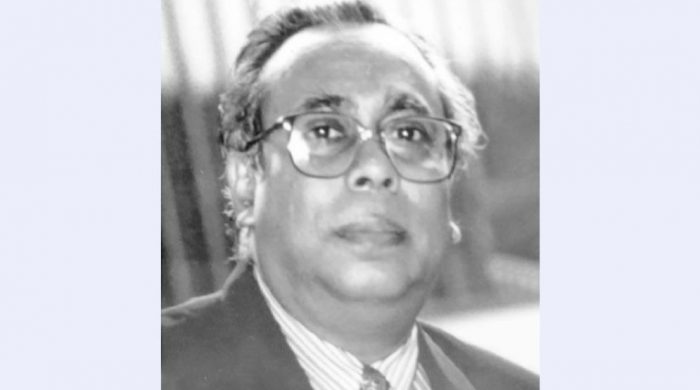
The writer is a former Vice-Chancellor of the University of Dhaka and former Ambassador of Bangladesh to Bahrain.