Weak urban management fuels dengue risk

- Update Time : Saturday, June 6, 2026
- 24 Time
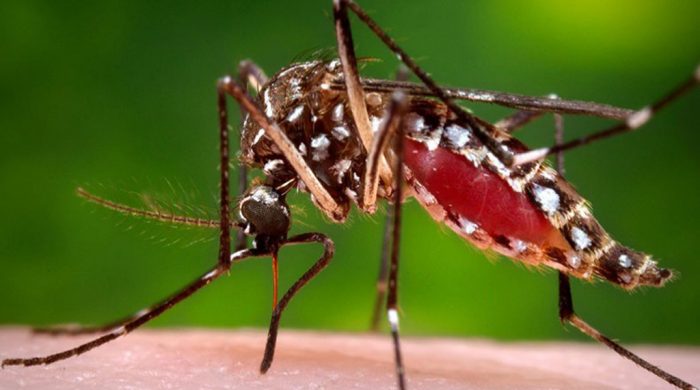
THE monsoon season is about to set in with warning signs of a preventable public health crisis as official data show persistently high Aedes mosquito density across most of Dhaka’s south. A pre-monsoon survey of the Dhaka South City Corporation conducted in May 12–23 found that 63 of its 75 wards have Aedes density above the acceptable threshold while 27 wards are already classified as highly vulnerable to dengue outbreaks. The assessment, carried out with the Communicable Disease Control Unit, covered 2,250 households using digital data collection tools. It identified Aedes larvae and pupae in 281 premises, with multi-storey buildings accounting for the highest share of breeding sites, followed by single-family homes and under-construction structures. Stagnant water accumulated on floors emerged as the most common breeding ground, alongside buckets and plastic drums, underscoring the persistence of basic urban management failures. In response, the city authoriteis have announced a five-day crash programme from June 7 in the most vulnerable wards, followed by interventions in moderately affected areas, alongside public awareness campaigns. The findings point to a recurring governance gap in sustained mosquito control and urban sanitation enforcement.
The significance of the pre-monsoon survey lies in its timing and what it reveals about the structural nature of Dhaka’s dengue vulnerability, yet its findings also expose a familiar gap between surveillance and sustained urban response. The identification of high Aedes densities across most wards is not an isolated warning but part of a recurring pattern in which pre-monsoon assessments consistently signal elevated risk before seasonal transmission peaks. In urban public health practice, such surveillance is intended to inform continuous risk monitoring. In Dhaka, it too, however, often functions as a periodic diagnostic exercise rather than a driver of consistent environmental control. This disconnect is concerning given the biology of Aedes mosquitoes, which thrive in small, stagnant water sources embedded within dense urban settings and reproduce rapidly when routine sanitation systems fail. While the city authorities have announced short-term interventions following the survey, the underlying issue remains that dengue risk is not episodic but embedded in everyday urban conditions. As the primary authorities responsible for waste disposal, drainage upkeep and enforcement of building compliance, the local government holds central responsibility for addressing the conditions. The persistence of high-risk indicators year after year reflects not a lack of information, but the limited translation of available data into durable administrative urgency.
The findings demand sustained institutional urgency beyond seasonal drives and short-lived campaigns. Dhaka’s city authorities must treat dengue risk as a continuous urban governance priority rather than a pre-monsoon exercise. With most wards already showing high Aedes density, delayed or fragmented responses will only add to the burden on an already overstretched public health system as the monsoon intensifies.