Country gears up for polls as electioneering ends

- Update Time : Tuesday, February 10, 2026
- 38 Time
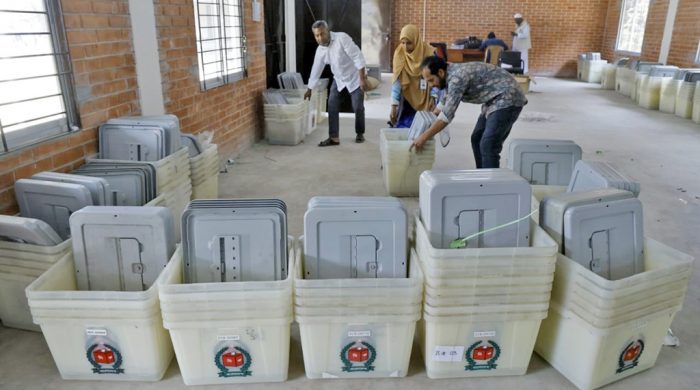
The formal campaigning period for the 13th Jatiya Sangsad elections and referendum comes to an end at 7:30am today, and the country is witnessing heightened political tension, allegations among major parties, and stringent election-day preparations.
The electioneering, which began on January 22, concludes in line with electoral rules requiring all candidates and parties to cease campaigning 48 hours before polling.
Voting is scheduled between 7:30am and 4:30pm on February 12.
The Election Commission has warned that violations may result in disqualification.
Marking the final day of electioneering, 299 constituencies nationwide, including Dhaka city, witnessed intense campaigning by candidates from major political parties and independent ones.
Despite the formal end of campaigning, rival political groups have launched a flurry of allegations against each other, questioning the impartiality of the electoral process and the possibility of a level playing field on election day.
The Election Commission clarified that candidates may continue preparatory activities after 7:30am today, but soliciting votes or holding public meetings is prohibited.
Under Article 78(1) of the Representation of the People Order, no public rallies or processions are allowed from 48 hours before polling until 48 hours after voting ends.
RPO 91B(3) stipulates that violators may face up to six months in prison, a fine of up to Tk 150,000, or both, while registered parties breaching the code of conduct could face similar penalties.
Verified violations may also lead to immediate disqualification under RPO 91E.
To ensure free, fair, and peaceful elections, the Election Commission has imposed an 81-hour restriction preventing individuals from staying outside their constituencies during the election period.
Senior assistant secretary Md Shahidul Islam has instructed all district administrations and police authorities to implement these measures.
Amid these preparations, political tensions remain high.
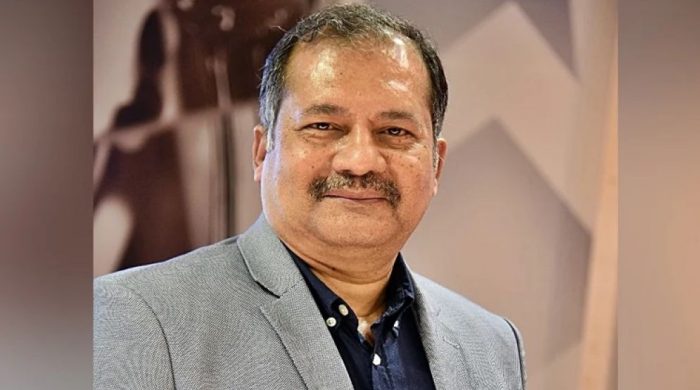
At a Monday press conference, BNP election steering committee spokesperson Mahadi Amin raised concerns over rival parties’ conduct, including misuse of religion, disrespect toward women, and deceptive campaigning.
He alleged that a party with Islam in its name had misled voters by offering ‘tickets to heaven’ and misrepresenting religious teachings.
BNP also raised questions about the approval of election observers, claiming that 68.89 per cent of approved observers came from 16 inexperienced organisations allegedly linked to a rival party.
Concerns were also expressed about the safety and voting rights of minority communities.
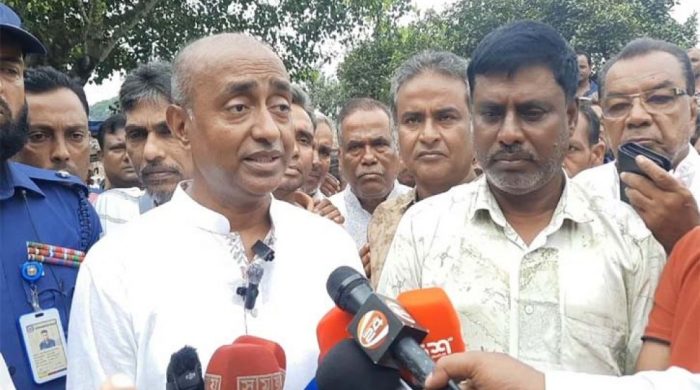
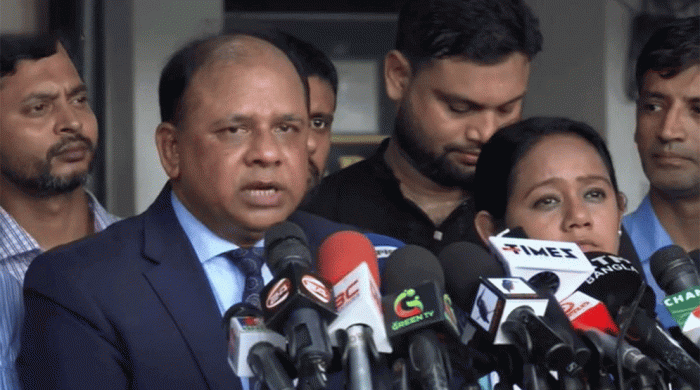
The National Citizen Party spokesperson, Asif Mahmud Shojib Bhuiyan, highlighted irregular behaviour by election officials, alleging that the police and administrative personnel intimidated voters and pressured them to support specific parties.
He made the statement following a meeting with chief election commissioner Md Anwarul Islam Sarkar at the commission headquarters in the capital’s Agargaon area.
Leaders of the 11-party alliance, including representatives from the Bangladesh Jamaat-e-Islami and the NCP, met with the Election Commission to discuss the overall election situation.
Ehsanul Mahboob Zubair, assistant secretary-general of Jamaat-e-Islami, criticised the role of police officers in constituencies such as Khulna, Natore, and Shariatpur, claiming that their actions were not conducive to a free, fair, and credible election.
Election commissioner Md Anwarul Islam Sarkar expressed hope that the elections would be held peacefully and in a festive atmosphere, stressing that concerns raised by parties and candidates would not materialise.
To monitor law and order during the election, the commission has authorised the deployment of drones by the Air Force, Border Guard Bangladesh, and Rapid Action Battalion.
Live drone feeds will be provided to the Election Commission Secretariat and the Office of the Chief Adviser to allow real-time monitoring and rapid response.
According to the commission, 42,779 polling centres with 2,47,482 booths have been designated nationwide, with each centre accommodating an average of 3,000 voters.
Nearly 12 lakh security personnel have been deployed ahead of the elections, including 1,00,003 Bangladesh Army members, 5,000 Navy members, 3,730 Air Force members, 37,453 BGB members, 3,585 Coast Guard members, 1,87,603 police personnel, 9,349 RAB members, 5,76,483 Ansar and Village Defence Party personnel, 1,922 Bangladesh National Cadet Corps members, and 45,820 chowkidars and dafadars.
Election commissioner Anwarul reaffirmed that 11-12 lakh law enforcement personnel would be deployed across the country to maintain order.
According to the commission, 2,012 candidates are contesting elections in 299 constituencies, while polling in the Sherpur-3 constituency has been postponed following the death of a candidate.
Approximately 7,85,225 officials, including presiding officers, assistant presiding officers, and polling staff, will oversee the election process.
Bangladesh currently has 127,711,739 registered voters, comprising 64,825,361 men, 62,885,200 women, and 1,232 transgender voters.
Earlier, the government had announced a seven-day nationwide security operation between February 8 and February 14 to ensure the election and referendum are conducted in a free, fair, and peaceful manner.