Home minister urges India to stop playing ‘Hasina card’

- Update Time : Saturday, August 8, 2026
- 1 Time
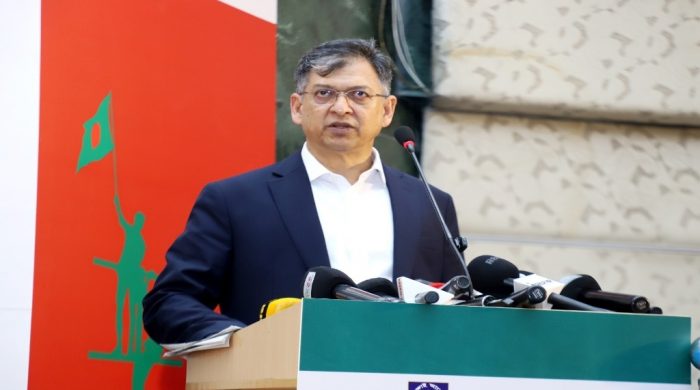
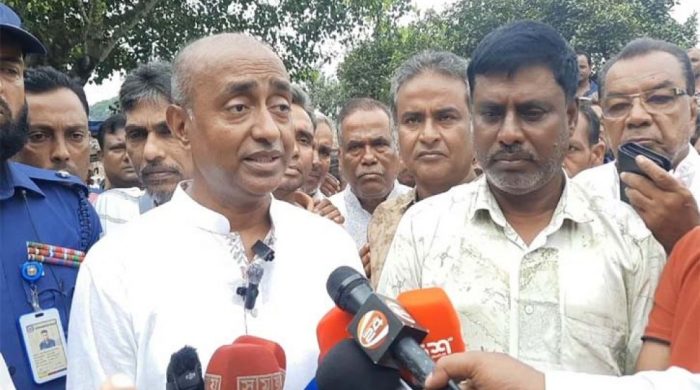
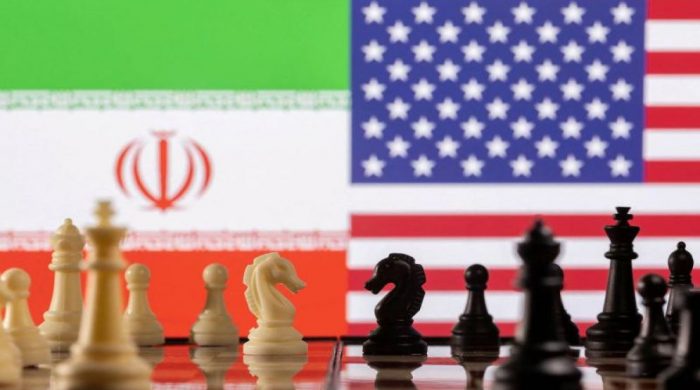
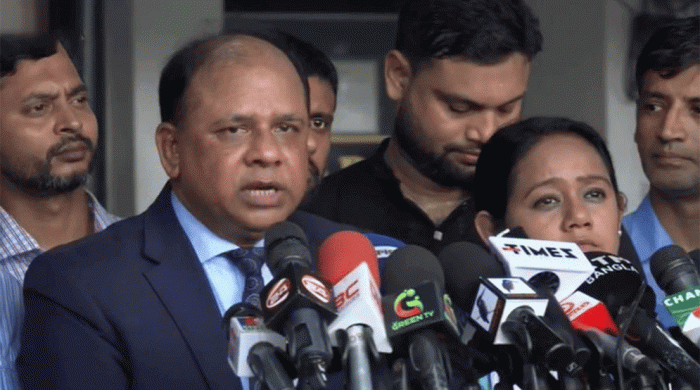
Home minister Salahuddin Ahmed on Saturday urged India to base its relations with Bangladesh on mutual dignity, respect and sovereign equality, saying New Delhi’s continued tolerance of former prime minister Sheikh Hasina’s political activities from Indian soil was contradictory to its pursuit of friendly ties with Dhaka.
‘On the one hand, Sheikh Hasina, a convicted and absconding convict, is being given an opportunity to make anti-Bangladesh statements or carry out political activities on Indian soil, while on the other hand, friendly relations with Bangladesh are being sought. These two positions are completely contradictory,’ he said.
The minister expressed hope that the Indian government would understand the issue and stop playing the ‘Hasina card’.
He made the remarks while speaking as chief guest at a discussion titled The Role of University Teachers in the Fall of the Fascist Government at Nawab Ali Chowdhury Senate Bhaban of Dhaka University, marking second anniversary of July uprising.
Salahuddin also called for preserving the spirit of the 2024 uprising and maintaining national unity to build a fascism-free Bangladesh.
He said the victory achieved through years of democratic struggle and sacrifices of hundreds of thousands of people should not be appropriated by any particular group. Democratic reforms, he said, must be completed through democratic practices and political tolerance to prevent the resurgence of authoritarianism.
The minister said constitutional reforms should include a provision limiting a prime minister to a maximum of two terms and ensure checks and balances between the upper and lower houses of parliament.
Addressing students and young people, he urged them to avoid provocative statements and pursue democratic means of protest. He also called for patience and tolerance amid what he described as attempts to draw students into confrontational politics.
The discussion was jointly organised by the Dhaka University White Party and the University Teachers Association of Bangladesh.
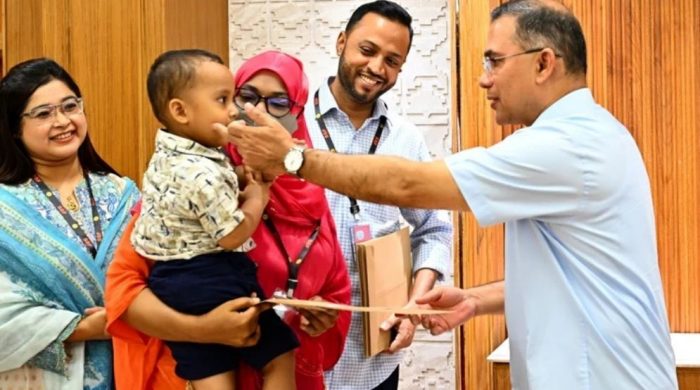
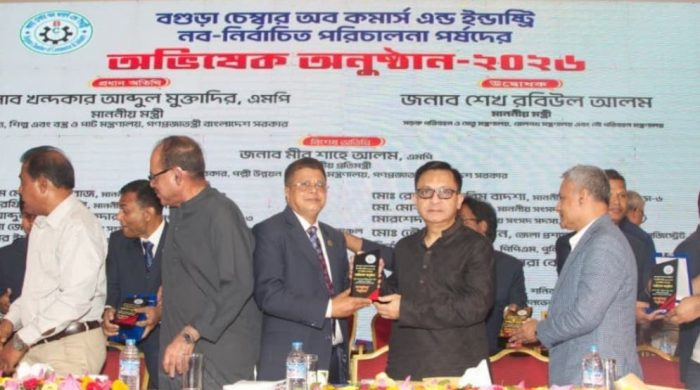
Families of several victims of the July uprising also spoke at the event and shared their experiences. Commemorative mementos were presented to families of those killed during the uprising.
The minister later visited a photography exhibition documenting the July uprising.