The hypocrisy of the West; The abhorrent superiority complex of the whites

- Update Time : Saturday, June 27, 2026
- 0 Time

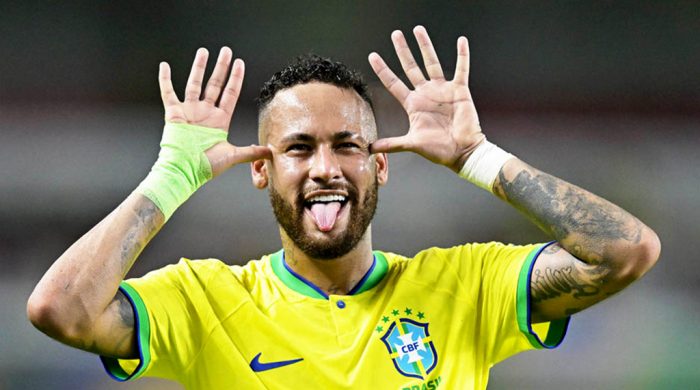
Football loves to present itself as the great equaliser. The stadium is supposed to be the place where nationality, race, religion and wealth disappear for 90 minutes. FIFA has repeatedly told the world that football belongs to everyone. The slogans are everywhere: No Racism, No Discrimination, Football Unites the World.
But beneath the polished image, the reality is becoming increasingly difficult to ignore.
The recent World Cup has once again shown that football’s greatest contradiction is not on the scoreboard. It is in the mindset surrounding the game.
The incident involving comments from England’s captain regarding Ghana should not be dismissed as simply a moment of competitive frustration or careless wording. It represents something deeper: the way some Western football cultures still unconsciously position themselves as the centre of the world, with others expected to prove themselves worthy of respect.
When nations from Africa, Asia or Latin America compete against European powers, the conversation often carries an invisible hierarchy — Europe represents excellence, structure and intelligence, while others are portrayed through stereotypes of emotion, physicality or unpredictability.
This is the same pattern that appeared in the controversy surrounding German football figure Bastian Schweinsteiger’s comments about Ivory Coast. Describing the Ivorian team’s football as “African football,” “unorthodox,” “wild” and “not quite as tactical” triggered criticism because those words repeat a long historical stereotype: that African athletes may possess physical ability but lack strategic intelligence.
The question is not whether every individual who uses such language consciously carries racist intentions. The deeper question is why these descriptions appear so easily, and why the opposite rarely happens.
Why is European football described as “technical,” “disciplined” and “intelligent”?
Why is African football so often described as “physical,” “emotional” or “chaotic”?
Why does one culture receive the assumption of sophistication while another must constantly prove its sophistication?
This is where football exposes the persistence of colonial thinking.
The World Cup has exposed this disturbing contradiction: many of the same Western nations that lecture the world about equality and human rights continue to display attitudes rooted in superiority, stereotypes and cultural arrogance.
The problem is not only the racism that appears openly in stadiums. The deeper problem is the casual, normalized attitude that still exists among some Western players, commentators, media figures and supporters — an attitude that sees non-Western teams not as equal competitors but as exotic, emotional, physical, unpredictable opponents who lack the intelligence, discipline and sophistication supposedly possessed by Europe.
That mindset is not new. It is the same old colonial thinking repackaged in football language.
When African, Asian or Latin American teams succeed, the explanation is often not their strategy, coaching, preparation or talent. Instead, their success is reduced to physical strength, passion, emotion or even luck. Their football is described as chaotic, instinctive or uncontrolled.
When European teams succeed, it is described differently: tactical intelligence, organization, discipline, professionalism.
The difference in language reveals the difference in perception.
The controversy involving German football figure Bastian Schweinsteiger during commentary about Ivory Coast national football team exposed this uncomfortable reality. His description of “African football” as being less conventional and more “wild” was criticised because it echoed a long-standing stereotype: that African players possess athletic ability but lack tactical intelligence.
This is not merely a choice of words. Language creates hierarchy.
For decades, African footballers have been among the greatest talents in the world. They dominate European leagues, win major trophies, and represent some of the most technically gifted players on the planet. Yet the stereotype remains: the African player is powerful but raw; talented but undisciplined; gifted but incomplete.
Why?
Because the old colonial imagination is difficult to erase.
The same contradiction appears when Western football nations speak about racism. European countries frequently position themselves as defenders of diversity and inclusion. Yet many of their own societies continue to struggle with racism against immigrants, minorities and non-European communities.
The question is simple:
Where is the same outrage when racism affects African, Asian, Arab or immigrant communities outside the football field?
Where is the same moral urgency when migrants are portrayed as threats rather than human beings?
Where is the same defence of freedom and dignity when minorities face discrimination?
The silence is often deafening.
The United States presents an even more complicated example. It promotes itself internationally as a symbol of freedom and democracy, yet it remains deeply divided over immigration, race and identity. Political debates frequently portray migrants as problems rather than people. The country that celebrates diversity on sports advertisements often struggles with accepting diversity in reality.
And yet, when the World Cup arrives, the message suddenly becomes: “Football unites us.”
But does it?
Or does football simply provide a temporary stage where the world pretends its contradictions do not exist?
FIFA also deserves criticism. The organisation has built a global brand around fighting racism, but its commitment is questioned whenever political and commercial interests become involved. Critics have argued that FIFA’s anti-discrimination messaging has become inconsistent, particularly around recent tournaments.
The question many fans ask is this:
Is FIFA truly committed to fighting racism, or is anti-racism simply another marketing campaign?
A real fight against racism would require more than slogans before matches. It would require confronting uncomfortable realities inside football itself: racist chants, unequal treatment, biased commentary, and the stereotypes attached to players from different regions.
The disappointment is even greater because footballers are presented as role models.
Millions of children around the world watch these players. They imitate their celebrations, wear their jerseys and dream of becoming them. These athletes have enormous influence. But when some repeat stereotypes or remain silent when injustice happens, they fail the responsibility that comes with their platform.
A player cannot wear a “No Racism” message on a shirt and then ignore racism when it becomes inconvenient.
A federation cannot celebrate diversity while avoiding difficult conversations.
A country cannot claim moral leadership while refusing to examine its own contradictions.
The World Cup should not only celebrate who scores the most goals. It should also force the football world to examine itself.
The real victory against racism will not come from slogans printed on banners. It will come when African football is analysed as football, not as a cultural curiosity. When Asian teams are respected as competitors, not surprises. When immigrant players are valued not only when they bring trophies home, but also when they demand dignity.
Until then, the fight against racism in football risks becoming what many already suspect it is:
A beautiful slogan covering an ugly reality.
The greatest success of colonial thinking was not only controlling land. It was creating a hierarchy of perception — convincing the world that some societies were naturally more advanced, rational and capable than others.
Modern colonial attitudes rarely appear wearing the uniforms of old empires. They appear through assumptions.
They appear when Western voices claim ownership over defining democracy, freedom, civilisation and morality while ignoring contradictions within their own societies.
They appear when migrant communities are treated as cultural problems rather than contributors.
They appear when the suffering of non-Western peoples is explained through complexity and caution, while the actions of powerful nations are justified as security, necessity or responsibility.
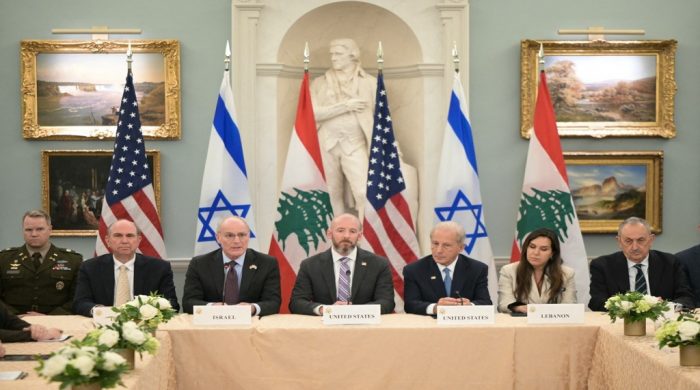
The same superiority mindset has shaped many debates around Palestine and Lebanon, where critics argue that Western political responses often reveal unequal standards in whose security, suffering and rights receive global attention.
For generations, many societies across Asia, Africa and Latin America have responded to Western arrogance with restraint. Not because they lack pride. Not because they lack anger.
Often it is because their cultural traditions place enormous value on dignity, patience, hospitality and moral restraint.
But courtesy should never be confused with surrender.
Respect cannot be a one-way relationship.
There comes a moment when continuously absorbing disrespect becomes a form of enabling it. A society that values its own dignity has the right to withdraw its attention, cooperation and admiration from those who repeatedly demonstrate contempt.
The strongest response is sometimes not anger. It is refusing to grant importance to those who believe they are automatically entitled to it.
The writer is political and international affairs analyst