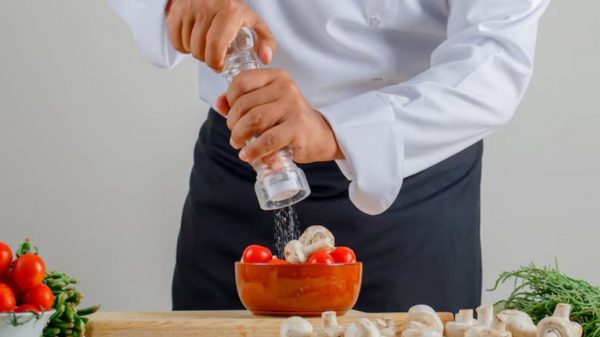
Tasting Salt: Slow poison behind delicious food

Reporter Name
  • Update Time : Sunday, October 19, 2025
  • 49 Time
Tasting salt, or MSG (monosodium glutamate), is a common ingredient that makes food taste extra delicious. It’s found in instant noodles, chips, soups, and restaurant dishes. While it gives food a mouth-watering flavor, it can quietly harm your health; that’s why many call it a “slow poison”.

Tasting salt works by tricking your brain and taste buds, making you crave more food even when you’re full. Over time, this leads to overeating, weight gain, and unhealthy food habits. Some people also suffer from headaches, dizziness, or a racing heartbeat after eating foods rich in MSG, a reaction sometimes called the “Chinese Restaurant Syndrome.”

Regular consumption of foods containing tasting salt (MSG can gradually dull the natural sensitivity of the taste buds. As a result, individuals may find wholesome, home-cooked meals less appealing or lacking in flavor. This is particularly concerning for children, as early exposure to artificially enhanced foods can shape their long-term taste preferences. Over time, this dependency on strong artificial flavors may discourage the consumption of natural, nutrient-rich foods, leading to unhealthy eating habits and potential nutritional deficiencies.

This flavor enhancer is also high in sodium, which can cause water retention, bloating, and high blood pressure. People with heart or kidney problems are especially at risk. Researchers have also found that MSG can disturb the body’s natural hormone balance, making it harder to control appetite and metabolism.


Even if you don’t use tasting salt at home, you may still eat it unknowingly, as it hides in processed foods under names like “flavor enhancer,” “yeast extract,” or “E621.” Children and pregnant women should be extra careful because frequent intake may affect concentration, nutrient absorption, and healthy growth.

The safest choice is to skip tasting salt and use natural flavor makers instead: garlic, onion, herbs, lemon juice, and tomatoes bring great taste without harming your body. Choosing fresh, home-cooked meals and reading food labels can help you stay safe.

In short, tasting salt may make your food more tempting, but it acts like a **slow poison** when used too often. Cutting it down is one of the simplest ways to protect your long-term health while still enjoying real, natural flavor.


Author:

Nusrat Jahan Rashi

Department of Food and Nutrition, Institute of Home Economics, University of Dhaka

Share This News

Leave a Reply

Your email address will not be published. Required fields are marked *

More News of This Category