Passengers to see fares on digital screens inside public transports, minister says

- Update Time : Thursday, April 9, 2026
- 28 Time

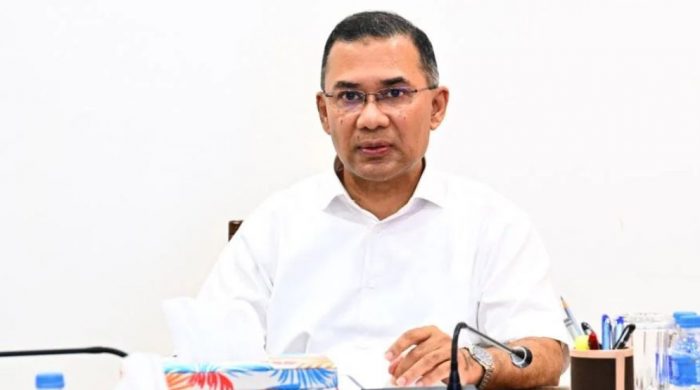
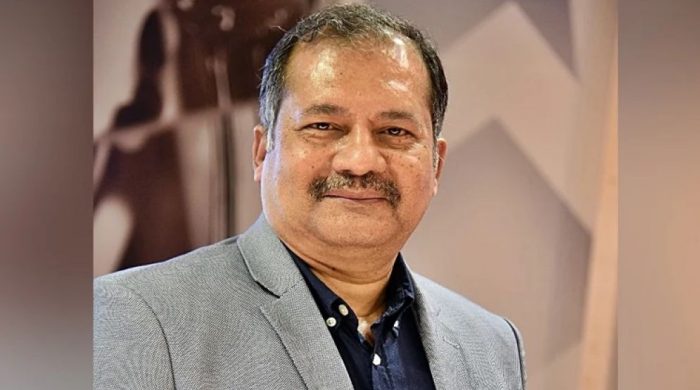
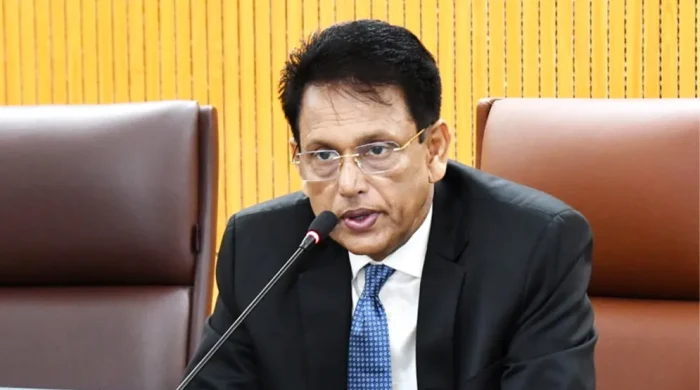
Road transport and railways minister Sheikh Rabiul Alam on Thursday said that the government would soon finalise a fare structure for air-conditioned buses and minibuses, with plans to display the approved rates on digital screens inside public transport.
Responding to a question from independent lawmaker Rumeen Farhana during a question-and-answer session in Jatiya Sangsad, the minister confirmed that the authorities were working to introduce a standardised fare list.
Once implemented, passengers will be able to view the fares clearly via onboard digital displays.
In response to another query from ruling party lawmaker Abul Kalam Azad Siddiqui, the minister outlined broader reforms aimed at restoring discipline in the transport sector.
He said that the Bangladesh Road Transport Authority has initiated steps to install Global Positioning System technology in public vehicles operating on roads and highways.
According to the minister, the introduction of GPS would allow authorities to monitor vehicle locations and speeds in real time.
This is expected to curb irregular practices such as unauthorised stops and overcharging of fares. Any violation of speed limits or traffic regulations will be automatically recorded, enabling legal action against both drivers and vehicle owners.
Speaking on railway developments, Rabiul Alam informed JS that Bangladesh was set to begin receiving 200 broad-gauge railway coaches from India this year under financing from the European Investment Bank. Deliveries are expected to continue from June 2026 through December 2027.
He said that once the new carriages were added to the railway fleet, authorities would assess routes for launching additional train services.
At present, the country has a total rail network of 3,428.09 kilometres, including metre-gauge, broad-gauge and dual-gauge lines, the minister said.
In response to a question from BNP lawmaker Mosharraf Hossain, the minister provided details of the network composition, while also confirming that further expansion projects were ongoing to extend rail connectivity across the country.
Rabiul said that there were currently 15 intercity trains operating between Dhaka and northern districts. With the arrival of new coaches, the number of such services is expected to increase.
Meanwhile, in the jute sector, textiles and jute minister Khandakar Abdul Muktadir said that out of 25 state-owned mills under the Bangladesh Jute Mills Corporation, nine were currently operating under private management. Efforts are ongoing to lease and reopen the remaining mills.
On exports, the minister reported that Bangladesh exported raw jute to 30 countries and jute goods to 138 countries during recent fiscal periods, with substantial volumes recorded in both categories.