No fuel crisis, market strained by panic buying, hoarding, minister tells JS

- Update Time : Tuesday, March 31, 2026
- 30 Time

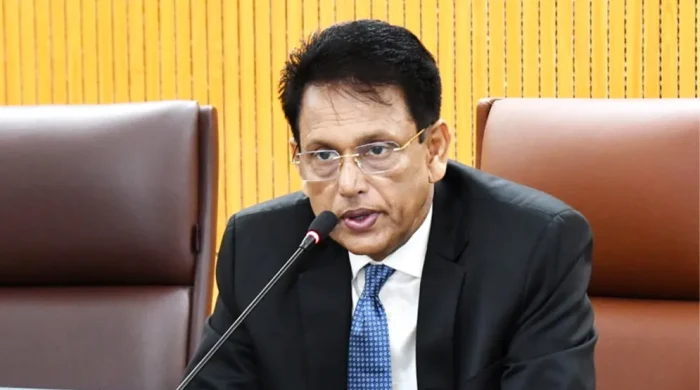
Energy power and mineral resources minister Iqbal Hasan Mahmud Tuku on Monday told the Jatiya Sangsad that there was currently no fuel shortage in the country while an artificial pressure in the market was being created mainly due to unnecessary panic-driven purchases and hoarding.
He made the statement at the Jatiya Sangsad under Rule 300, reassuring the people of the country.
‘The supply of gas and petroleum products in Bangladesh is adequate and, in fact, the government has prepared reserves beyond the anticipated demand,’ the minister said.
He cautioned that unscrupulous traders in some border districts were involved in fuel smuggling, announcing that authorities would start a crackdown on these illegal activities, with rewards offered for information on hoarding and smuggling.
Highlighting the importance of fuel to the economy, daily life, and industrial production, Tuku said that the government had taken proactive measures under prime minister Tarique Rahman’s guidance to ensure stability.
Despite global tensions and rising prices in international markets, Bangladesh’s fuel reserves have increased since the government assumed office on February 17, he said.
The minister said that the diesel stock, for example, had risen from 2,06,000 tonnes on the first day of the new government’s office to 2,18,000 tonnes on March 30, while 4,82,000 tonnes of diesel were sold in the same 41-day period.
The minister clarified that the surge in public purchases far exceeded the actual needs, with diesel accounting for 63 per cent of total fuel use and octane and petrol representing only 6.8 per cent each.
He said that certain filling stations in Dhaka had reported sales increases of up to 96 per cent, reflecting hoarding rather than increased consumption.
According to the minister, authorities have conducted 3,168 raids, filed 153 cases, imposed fines totalling Tk75 lakh, and sentenced 16 individuals to imprisonment.
He said that significant quantities of fuel have also been recovered.
The minister also highlighted the government’s commitment to sustain fuel subsidies despite global price volatility.
Octane now sells at Tk 120 per litre, below the actual cost of Tk 150.72, with a projected subsidy of Tk16,045 crore required for the March–June period to cover diesel, octane, and LNG imports.
Tuku called on citizens to avoid panic purchases and unnecessary consumption, emphasising that, unlike some neighbouring countries that forced to limit school or industrial hours due to energy shortages, Bangladesh’s transport, education, and production sectors remained fully operational.