Nation risks sliding back to authoritarian rule: Chief Whip Nahid

- Update Time : Thursday, March 5, 2026
- 35 Time
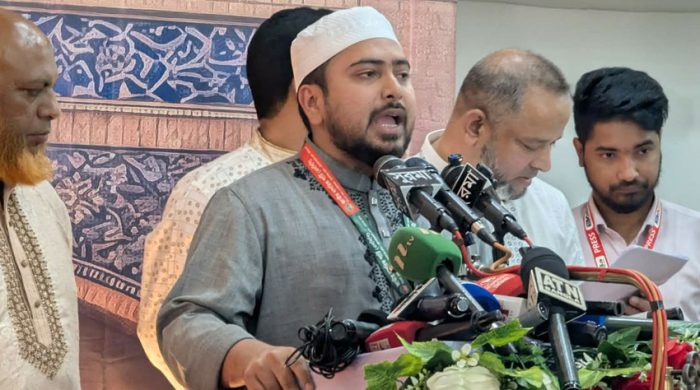
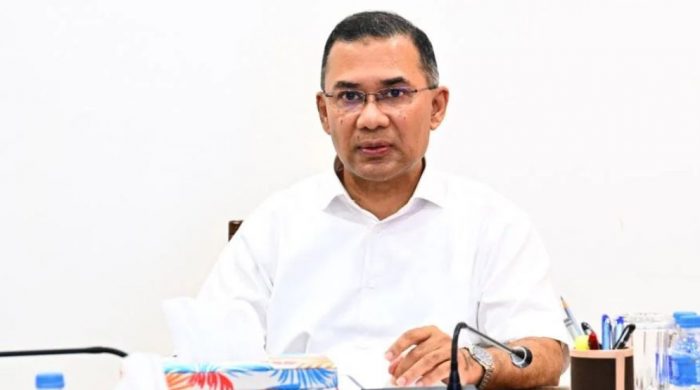
Opposition Chief Whip and convener of Jatiya Nagorik Party (NCP), Nahid Islam, has warned that the nation may once again drift from democracy toward one-party authoritarian rule if corrective steps are not taken.
Speaking as chief guest at an iftar gathering organized by the NCP in Sylhet city on Wednesday (March 4), Nahid said the country must prepare for another political struggle, this time with better planning and unity.
“We may have achieved a mass uprising before, but we made many mistakes in the post-uprising phase,” he said. “As a result, the country is again facing a fragile situation. The question has arisen whether Bangladesh will once again move from democracy toward one-party autocracy.”
Nahid stressed that future political movements must be carefully organized to avoid repeating past errors. He echoed remarks made by other NCP leaders at the event, saying their speeches reflected the national political landscape and outlined the party’s present and future responsibilities.
Praising Sylhet’s political culture, Nahid said that while national politics has often been marked by hostility between major parties such as the Awami League and BNP, Sylhet has demonstrated examples of political coexistence. He expressed hope that this tradition of unity would continue and serve as a model for the rest of the country.
He accused the government of reasserting one-party control over key state institutions. Referring to recent developments, he cited the situation at Bangladesh Bank, housing issues involving former BDR personnel, and the recent resignations at the Anti-Corruption Commission (ACC).
“The ACC is meant to be an independent and neutral institution under the law. But in Bangladesh’s history, it has never been able to function independently,” he said.
Nahid recalled that BNP Secretary General Mirza Fakhrul Islam Alamgir once described the ACC as a commission for suppressing the opposition. He questioned whether the same pattern would continue under the current administration.
Raising concerns over the recent resignation of the ACC chairman and commissioners, Nahid asked whether government pressure played a role in their departure.
He said accountability must be ensured and that the matter would be raised in parliament. He also questioned how the next ACC chairman would be appointed and whether the process would involve consultation with opposition parties or be influenced by partisan considerations.
Concluding his remarks, Nahid urged the people of Sylhet to prepare for local government engagement and remain united. “Stay organized and work according to the guidance that will come,” he said, signaling further political mobilization in the months ahead.