Govt proposes duty cut on baby food raw materials, medical devices

- Update Time : Thursday, June 11, 2026
- 23 Time
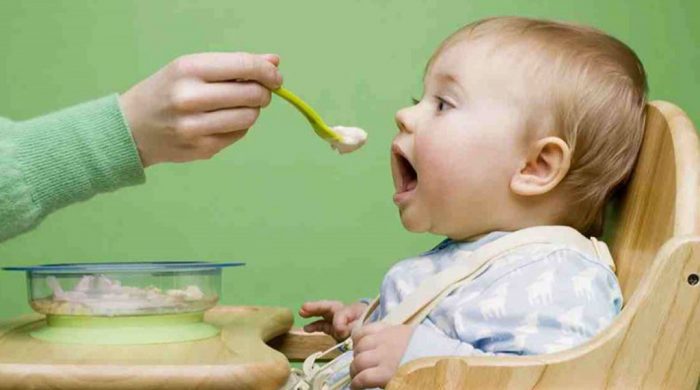
Baby food may become cheaper in the coming fiscal year as the government has proposed reducing the import duty on raw materials used in baby food preparations to 10 per cent from the existing 15 per cent.
The measure aimed to lower production costs and make infant nutrition products more affordable for consumers.
Heart stents, dialysis filters, eye lenses to get cheaper under proposed tax relief
Finance minister Amir Khosru Mahmud Chowdhury made the proposal while placing the proposed budget for the 2026-2027 fiscal year in the parliament on Thursday.
The government has proposed a series of tax and duty concessions on essential medical devices, including heart stents, intraocular lenses, and dialysis equipment, to reduce healthcare costs and ease the financial burden on patients.
As part of the proposed budget measures, the government plans to withdraw the 10 per cent value-added tax at the supplier level on imported heart rings and stents, citing Bangladesh’s high out-of-pocket healthcare expenditure compared with peer countries. Combined income tax, VAT, and customs duty concessions are expected to reduce the price of each stent by around Tk 20,000.
The finance minister also proposed scrapping the 10 per cent VAT on the supply of intraocular lenses used in eye surgeries—a move expected to lower the price of each lens by about Tk 5,000, making cataract and other eye surgeries more affordable.
To provide relief to kidney patients, the Finance Minister proposed withdrawing both the 15 per cent VAT and the 5 per cent advance income tax on dialysis filters. The measure is expected to reduce the cost of each dialysis session by approximately Tk 800, offering significant savings for patients who require multiple treatments every week.
Moreover, Amir Khosru also proposed to eliminate the 7.5 per cent advance tax on the import of blood tubing sets used in haemodialysis, further lowering treatment costs at hospitals and dialysis centres.
The government has also proposed a substantial reduction in import duty on mortuary refrigeration units, cutting the rate from 25 per cent to 1 per cent.