UNDP offers cooperation on enforced disappearance law, broader reforms

- Update Time : Tuesday, August 25, 2026
- 0 Time
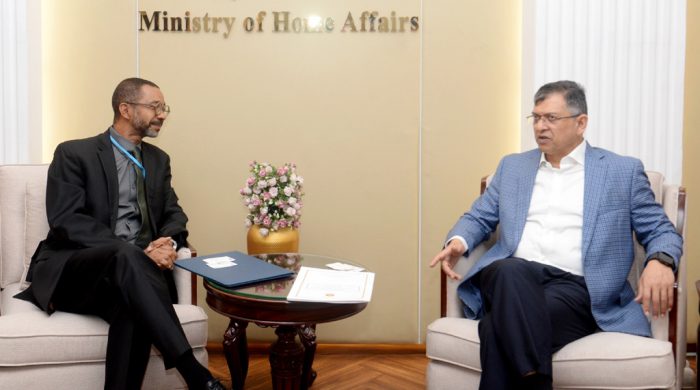
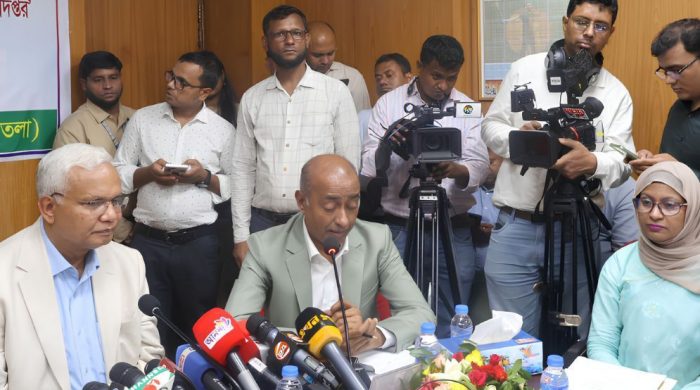
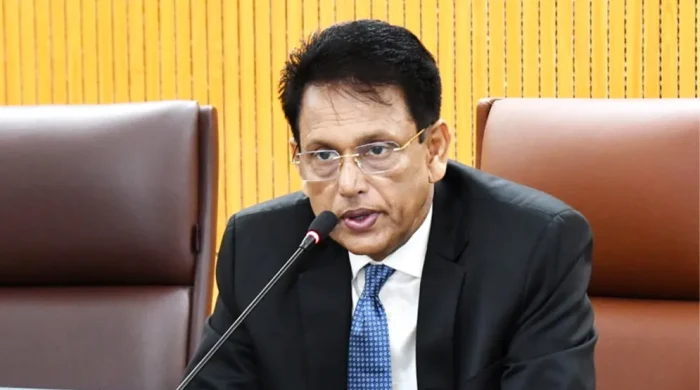
The United Nations Development Programme has expressed willingness to provide technical and institutional assistance to Bangladesh in its broader reform process, including the proposed law on prevention and redress of enforced disappearances, home minister Salahuddin Ahmed said Tuesday.
The minister said the draft of the ‘Disappearance Prevention and Remedy Act 2026’ has already received in-principle approval from the Cabinet. He also claimed no enforced disappearance or extrajudicial killing has occurred in the country since the current government took office.
Salahuddin Ahmed made the remarks during a meeting with UNDP resident representative Stephen Rodrigues, who paid a courtesy call on the minister at his office at the Bangladesh Secretariat in the morning.
The minister also referred to his own experience of being subjected to enforced disappearance in the past while discussing the proposed legislation.
The meeting covered a range of issues, including constitutional and judicial reforms, legal reform, assistance to Rohingya refugees, police capacity building, prevention of rumours and disinformation, and the proposed National Human Rights Commission Act 2026.
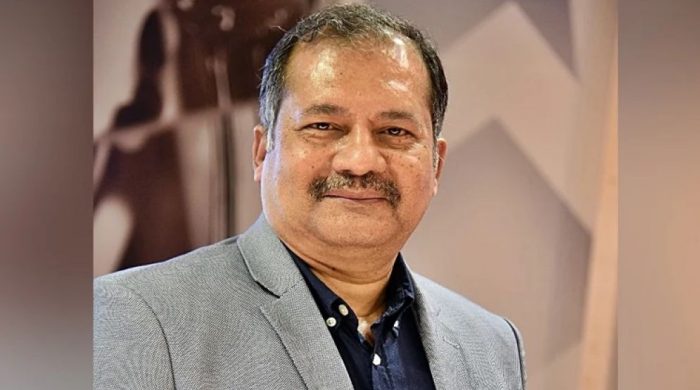
Rodrigues said UNDP wanted to cooperate in implementing the current government’s goals, priorities and action plans. He also offered UNDP assistance to the special committee on constitutional amendments, of which Salahuddin Ahmed has been nominated chairman.
On human rights legislation, the home minister said the draft National Human Rights Commission Act 2026 has received final Cabinet approval and is expected to be passed in the next session of Parliament. He said opinions from stakeholders, including UNDP, international organisations, foreign missions, development partners, newspaper editors and lawyers, had been considered in preparing the draft.
The minister said the proposed law also takes into account the country’s social context and religious sentiments and expressed hope that it would be recognised as a timely and acceptable piece of legislation.
The UNDP representative also said the organisation was working to strengthen the professional capacity of the Bangladesh Police through training on civil rights protection, conflict and dispute resolution. The minister welcomed further UNDP assistance to improve police efficiency and capacity.
The two sides also discussed measures to counter rumours, misinformation and hate speech on digital platforms. Rodrigues said UNDP was working with relevant ministries to provide technical and institutional support for addressing violations quickly.
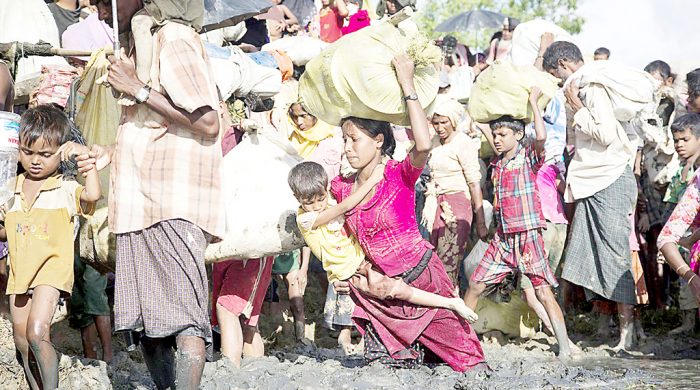
Regarding the Rohingya refugee camps, Rodrigues said UNDP was supporting environmental protection and social development initiatives, including measures to prevent landslides.
Salahuddin said the government wanted to modernise and appropriately develop existing camp infrastructure but did not want to construct new infrastructure there in the larger national interest.
The UNDP representative stressed the importance of presenting an accurate picture of Bangladesh internationally, saying the global media did not always portray the country accurately. He described Bangladesh as a liberal and religiously tolerant country and said UNDP was interested in supporting efforts to project this positive image.
Additional Secretary of the Political and Immigration Division Dr Ziauddin Ahmed, Joint Secretary of Political-1 Branch Rebecca Khan, and UNDP Bangladesh Programme Management and Partnership Support Specialist Saif Islam attended the meeting.