Inflation likely to rise on fuel costs

- Update Time : Monday, August 3, 2026
- 0 Time
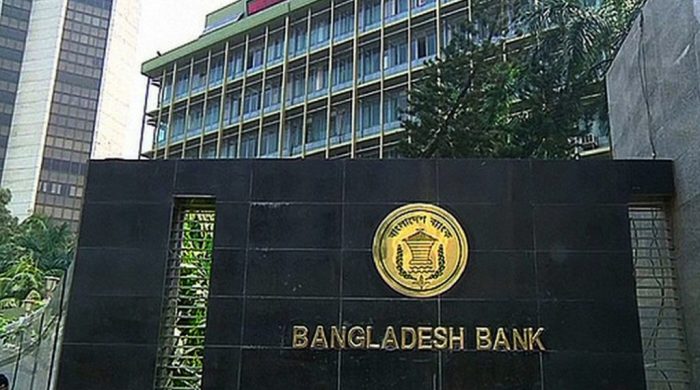
Inflationary pressures in Bangladesh are likely to intensify in the near term as higher international oil prices, domestic fuel price adjustments and persistent energy supply constraints continue to add fresh risks to consumer prices, according to a Bangladesh Bank report.
The central bank’s Inflation Dynamics in Bangladesh report, which was published on Sunday, said that price increases were becoming broader across the economy.
In June, 261 of the 382 items in the consumer price basket recorded monthly price increases, while only 22 items saw price declines.
Within the food basket, 82 of 126 commodities became more expensive.
Experts warned of renewed pressure on household purchasing power.
The report found that inflationary pressures could rise because of elevated global energy prices linked to the Middle East conflict, while the second-round effects of the fuel crisis may also persist.
It cited projections from the Asian Development Bank that Bangladesh’s average inflation would remain high at 8.8 per cent in FY27 after averaging 9.0 per cent in FY26.
The report showed that headline inflation increased to an average of 9.21 per cent in April-June 2026, up from 8.8 per cent in the January-March quarter, mainly due to rising energy and non-food inflation.
Food inflation averaged 8.7 per cent while non-food inflation climbed to around 9.6 per cent during the quarter.
Despite the situation, the central bank on July 30 cut policy rate 50 basis points to 9.5 per cent from 10 per cent raised in October 2024 amid pressure from business community. It was the first time in six years the central bank reduced policy rate.
Energy emerged as the most alarming source of inflationary pressure.
Energy inflation accelerated to 17 per cent in the April-June quarter from 14.9 per cent in the previous quarter, driven by sharp increases in fuel and lubricant prices and higher gas tariffs.
Inflation in fuels and lubricants surged to 13.8 per cent from just 1.7 per cent a quarter earlier, while gas inflation jumped to 24 per cent from 11.3 per cent.
The report said energy accounted for 11.9 per cent of headline inflation in the quarter, up from 10.8 per cent previously, although traditional solid fuels such as firewood, agricultural by-products, cow dung and jute sticks continued to be major contributors to energy inflation.
Food prices also remained a significant concern despite a relatively smaller rise.
Protein-based foods, including fish, meat, eggs, milk and pulses, remained the single largest contributor to food inflation, accounting for 46 per cent of overall food inflation.
Vegetable prices recorded the sharpest increase, with their contribution rising to 37 per cent from 22.7 per cent in the previous quarter.
Core inflation, which excludes volatile food and energy items, increased to 8.4 per cent from 8 per cent, largely because of higher transportation and communication costs, particularly internet services.
Healthcare, personal care, education, books and stationery also recorded moderate increases.
Bangladesh Bank also warned that inflation continued to outpace wage growth, eroding real incomes and weakening purchasing power.
The wage-price gap widened again over the past three quarters because wage growth failed to keep pace with inflation.
The report said that maintaining policy vigilance was essential to anchor inflation expectations, contain persistent price pressures and protect household purchasing power while preserving macroeconomic stability.