Smartphone prices may rise as tax concession expires by June

- Update Time : Sunday, June 28, 2026
- 0 Time
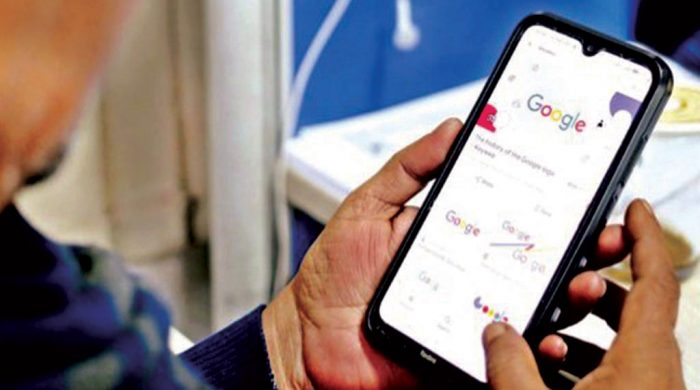
Prices of imported smartphones might increase from July 1 as a temporary government concession on import duty is set to expire on June 30, while the proposed budget for the 2026–27 financial year contained no provision to extend the facility.
Industry insiders said that the expiry of the concession would raise the total tax incidence on imported handsets to over 60 per cent from the current 43.43 per cent, potentially increasing retail prices by 20–25 per cent, particularly for premium models.
In January, the interim government reduced the customs duty on imported fully built mobile phones to 10 per cent from 25 per cent for six months to narrow the price gap between officially imported devices and grey-market handsets.
The interim government also cut the customs duty on the locally manufactured smartphones to 5 per cent from 10 per cent.
As a result, the overall tax incidence on imported mobile phones declined to 43.43 per cent from 61.80 per cent, a rate that would expire on June 30.
The proposed national budget has introduced a set of fiscal measures expected to reduce the cost of locally manufactured mobile handsets and lower mobile telecommunications service costs for consumers.
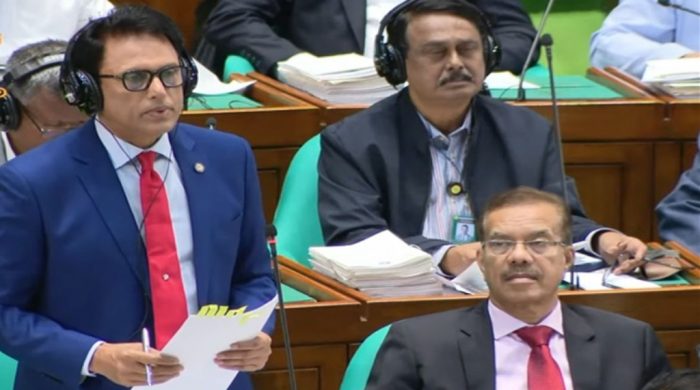
Finance minister Amir Khosru Mahmud Chowdhury proposed reducing advance income tax on the import of 22 raw materials used in local mobile phone manufacturing from 5 per cent and 2 per cent to 1 per cent, a move aimed at lowering production costs and supporting affordable handset production.
Moreover, existing duty-exemption facilities for mobile phone manufacturing raw materials have also been extended until June 30, 2030, to encourage local production and export growth.
Regarding the tax concessions, the Mobile Phone Industry Owners Association of Bangladesh has urged the Bangladesh Telecommunication Regulatory Commission to intervene and extend the concessions.
In a letter sent to the regulator recently, the association warned that higher taxes would make imported smartphones significantly more expensive and weaken the competitiveness of the official market, according to the association›s leaders.
Zakaria Shahid, president of the MIOB, said that manufacturers were already facing mounting production costs due to a sharp rise in global prices of DRAM and NAND memory chips, as well as higher costs for processors, batteries, and other key components.
He also said that the memory suppliers had prioritised high-margin chips for artificial intelligence data centres, tightening supply for consumer electronics and pushing up component prices worldwide.
As a result, smartphone brands had little room to lower retail prices, and any increase in Bangladesh’s import taxes would further raise handset prices, he added, warning that higher prices could once again drive consumers towards unofficial or grey-market phones.
Bangladesh has developed a mobile phone assembly industry over the past decade, with local manufacturers assembling mainly entry-level and mid-range smartphones.
Bangladesh’s smartphone market comprises both officially imported devices and unofficial handsets that enter through informal channels.
The relatively lower prices of grey-market phones have continued to attract consumers, resulting in significant revenue losses for the government.
To address the issue, the BTRC earlier this year announced the introduction of the National Equipment Identity Register, aimed at regulating unofficial mobile phones.
Despite the initiative, unofficial handsets remain widely available in shopping centres across the capital.
When the government reduced customs duty from 25 per cent to 10 per cent in January, the overall tax incidence on imported handsets declined to 43.43 per cent after accounting for value-added tax, advance income tax and other applicable taxes.
Technology entrepreneur Fahim Mashroor said smartphones were no longer luxury products but essential tools for education, employment and access to digital services.
‘Increasing smartphone prices means making access to digital services more expensive for ordinary people,’ he said, adding that smartphones should be treated as part of the country’s digital infrastructure and subjected to a lower tax burden.