Bangladesh reels under 3,000MW load-shedding amid heatwave

- Update Time : Friday, April 24, 2026
- 34 Time

The country on Thursday faced a power generation shortfall of around 3,000 megawatts due to a shortage of primary energy, exacerbated by the prolonged conflict in the Persian Gulf.
In addition, technical problems and a fall in imports have complicated the situation, with power outages occurring more frequently in rural areas than in urban areas, affecting both household and business activities.
At the beginning of the summer season, students are among those suffering the most, as frequent outages are disrupting their concentration during examinations.
The Bangladesh Power Development Board was able to supply about 14,000MW against a demand of 17,000MW on the day, amid a sharp rise in electricity consumption driven by the need for cooling during the blistering heat.
A severe heatwave has gripped the Rajshahi division, while a mild to moderate heatwave is sweeping across 26 districts, from Khulna to Bandarban via Dhaka.
Temperatures reached 40 degrees Celsius in Rajshahi, according to the Met Office, which said the situation was likely to persist.
Alongside the heatwave, the generation shortfall has been worsened by the unavailability of power from three thermal plants—two in Bangladesh and one in India.
On Wednesday, Adani Power Limited shut down one of the two units at its plant in the Indian state of Jharkhand for routine maintenance, reducing supply to Bangladesh by more than 700MW.
A 1,320MW plant in Patuakhali remains shut due to coal shortages, while the Banshkhali power plant in Chattogram is operating at half capacity.
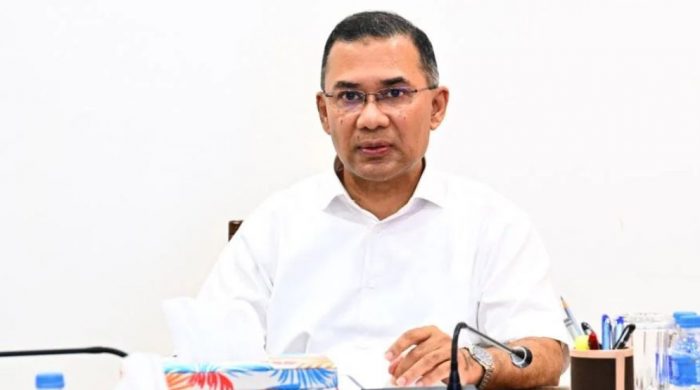
In Jatiya Sangsad, state minister for power, energy and mineral resources Anindya Islam Amit said that the government would introduce trial load-shedding of 110MW in the capital against a demand of around 6,000MW, aiming to reduce disparities between urban and rural areas and to ensure irrigation is not disrupted.
Delivering a statement under Rule 300, he expressed regret over the hardship caused by power cuts and said that the current situation, where nearly 2,000MW of load-shedding is being experienced, should improve within the next seven days.
The state minister said that although installed generation capacity appears sufficient on paper, there is a gap between capacity and actual output.
He identified a significant gas shortage as a key factor behind reduced generation, noting that domestic production of about 1,686 million cubic feet and imports of approximately 950 million cubic feet fall short of the daily demand of around 3,800 million cubic feet, leaving a deficit of over 1,100 million cubic feet.
Umme Rehana, a joint secretary of the Power Division, said at a briefing at the secretariat that the shortfall might continue for a few more days.
Expressing hope for the resumption of power imports from the Adani plant from April 26, she said that the Banshkhali plant is expected to operate at full capacity from April 28.
She added that coal for the Patuakhali plant is expected to arrive by the first week of May, enabling the BPDB to supply up to 1,982MW of electricity to the grid.
The Bangladesh Nationalist Party-led government inherited a costly power generation structure largely established during the tenure of the Awami League.
Zahid Hussain, a member of the National Committee on power deals during the Awami League period, said that electricity generation capacity increased fourfold between 2014 and 2020, while payments for power rose more than 11-fold.
The total payment for power increased from $638 million in 2010 to $7.8 billion in 2024, said Zahid, a former lead economist at the World Bank’s Dhaka office.