New York Winter Won’t End: Over 1 Foot Of Snow Expected Next Week

Reporter Name
  • Update Time : Wednesday, February 25, 2026
  • 34 Time

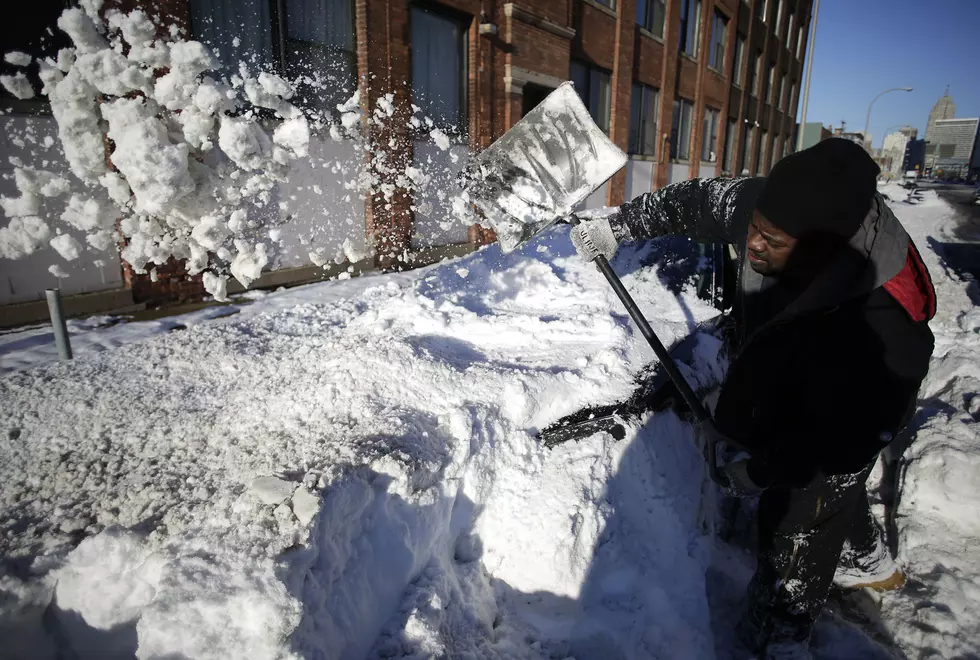
Winter won’t end in the Hudson Valley! Now, the forecast is calling for another snowstorm that’s going to bring over a foot more of snow!

Over the weekend, before the Hudson Valley’s first blizzard in many, many years, my Google Weather app was calling for 7 inches of snow next Monday, March 2.

Over 1 Foot Of Snow Predicted For The Hudson Valley Next Week

Getty Images
Getty Images
Yesterday (Monday morning), the weather app said no snow for next Monday. “Thank God!” is what I thought in my head.

However, it appears the storm is going to hit the Hudson Valley later and harder.

As of Tuesday morning, Google’s AI-powered weather app is calling for over 12 inches of snow in Poughkeepsie next Tuesday, March 3.

I then looked up other locations in the Hudson Valley, and it’s more bad news if you don’t want snow.

Getty Images
Getty Images


Below are the current snowfall projections for next Tuesday for major hometowns in every local county.

Newburgh, Orange County, New York

  • 12.51 inches of snow

Kingston, Ulster County, New York

  • 11.27 inches of snow

Poughkeepsie, Dutchess County, New York

  • 12.05 inches of snow

Carmel, Putnam County, New York

  • 12.05 inches of snow

Monticello Sullivan County, New York

  • 11.3 inches of snow

Ramapo, Rockland County, New York

  • 13.57 inches of snow

Yonkers, Westchester County, New York

  • 12.68 inches of snow

Snow Expected Wednesday Morning

Before next week’s snow, there’s more chances of snow this week.

Getty Images
Getty Images

Snowfall Totals For Historic Blizzard In New York State

Parts of the Hudson Valley saw over two feet of snow! We’ve got the complete report of snowfall totals across New York State.
Westchester County
Westchester County

Getty Images

Westchester County

1 SSW Greenville — 24.1″ (02/23 – 3:20 p.m.)
1 S Valhalla — 24.0″ (02/23 – 4:35 p.m.)
1 SE Hartsdale — 24.0″ (02/23 – 1:30 p.m.)
3 ESE Bedford — 23.5″ (02/23 – 1:00 p.m.)
2 NW Woodlawn — 23.5″ (02/23 – 2:20 p.m.)
2 NNE Ossining — 23.2″ (02/23 – 1:35 p.m.)
1 NE Irvington — 23.0″ (02/23 – 1:25 p.m.)
1 ENE Yorktown Heights — 23.0″ (02/23 – 12:15 p.m.)
2 E Ossining — 22.5″ (02/23 – 5:05 p.m.)
1 NE Croton-on-Hudson — 22.0″ (02/23 – 1:52 p.m.)
1 SE Yorktown Heights — 22.0″ (02/23 – 12:49 p.m.)
Croton-on-Hudson — 21.5″ (02/23 – 1:35 p.m.)
2 NNW White Plains — 21.5″ (02/23 – 2:30 p.m.)
Ossining — 21.3″ (02/23 – 11:00 a.m.)
2 E Sleepy Hollow — 20.1″ (02/23 – 5:06 p.m.)
1 SSW Ardsley — 20.0″ (02/23 – 2:35 p.m.)
1 SE Croton-on-Hudson — 20.0″ (02/23 – 3:30 p.m.)
1 ESE Hartsdale — 20.0″ (02/23 – 4:00 p.m.)
Mount Vernon — 18.8″ (02/23 – 12:50 p.m.)
1 S Peekskill — 18.3″ (02/23 – 5:35 p.m.)
1 E Pelham Manor — 18.1″ (02/23 – 3:00 p.m.)
2 NNE Mamaroneck — 18.0″ (02/23 – 9:49 a.m.)
1 NE Eastchester — 18.0″ (02/23 – 9:10 a.m.)
4 NE Ossining — 18.0″ (02/23 – 1:35 p.m.)
3 ESE Peekskill — 18.0″ (02/23 – 11:53 a.m.)
1 NNE Sleepy Hollow — 18.0″ (02/23 – 9:00 a.m.)
1 NNW White Plains — 18.0″ (02/23 – 9:38 a.m.)
1 NNW Yorktown Heights — 18.0″ (02/23 – 12:08 p.m.)
2 NNE White Plains — 17.0″ (02/23 – 10:19 a.m.)
1 N Yorktown Heights — 17.0″ (02/23 – 10:00 a.m.)
Mamaroneck — 16.5″ (02/23 – 11:30 a.m.)
1 E Scarsdale — 16.3″ (02/23 – 2:30 p.m.)
1 SSW Peekskill — 16.0″ (02/23 – 3:00 p.m.)
1 E Yonkers — 16.0″ (02/23 – 11:54 a.m.)
New Rochelle — 15.6″ (02/23 – 11:40 a.m.)
White Plains — 15.0″ (02/23 – 11:30 a.m.)
South Salem — 14.0″ (02/23 – 7:47 a.m.)
Peekskill (2.8 NNE) — 12.0″ (02/23 – 8:00 a.m.)
Shrub Oak — 11.0″ (02/23 – 6:00 a.m.)
Rockland County
Rockland County

Getty Images

Rockland County

  • 1 N Spring Valley — 19.2″ (02/23 – 3:45 p.m.)
  • Spring Valley — 18.0″ (02/23 – 12:00 p.m.)
  • Nyack — 17.0″ (02/23 – 3:05 p.m.)
  • 1 ENE Viola — 16.0″ (02/23 – 10:23 a.m.)
  • New City — 15.9″ (02/23 – 2:00 p.m.)
  • Spring Valley (1.7 SSW) — 14.5″ (02/23 – 8:30 a.m.)
  • 1 WSW Monsey — 14.1″ (02/23 – 2:13 p.m.)
  • 1 SSW Pearl River — 13.9″ (02/23 – 12:00 p.m.)
  • New Square — 12.9″ (02/23 – 12:33 p.m.)
  • Thiells — 12.0″ (02/23 – 2:00 p.m.)
  • 1 NW Stony Point — 10.3″ (02/23 – 3:10 p.m.)
Orange County
Orange County

Getty Images

Orange County

1 SW Greenwood Lake — 18.0″ (02/23 – 2:45 p.m.)
2 E Highland Mills — 15.3″ (02/23 – 3:00 p.m.)
1 WNW Monroe — 15.3″ (02/23 – 1:00 p.m.)
2 SW Greenwood Lake — 14.9″ (02/23 – 12:57 p.m.)
Greenwood Lake — 13.5″ (02/23 – 8:00 a.m.)
Monroe — 13.5″ (02/23 – 9:00 a.m.)
1 SW Washingtonville — 13.0″ (02/23 – 9:00 a.m.)
4 SSE Chester — 12.5″ (02/23 – 7:00 a.m.)
Cornwall-on-Hudson — 11.0″ (02/23 – 5:00 p.m.)
3 WNW Warwick — 10.8″ (02/23 – 12:02 p.m.)
Warwick — 9.6″ (02/23 – 7:00 a.m.)
2 SSW Stewart Airport — 9.0″ (02/23 – 11:45 a.m.)
Goshen — 6.0″ (02/23 – 10:15 a.m.)
Port Jervis — 6.2″ (02/23 – 6:30 a.m.)
Putnam County
Putnam County

Getty Images

Putnam County

2 W Putnam Valley — 18.8″ (02/23 – 2:00 p.m.)
3 N Putnam Valley — 12.1″ (02/23 – 10:00 a.m.)
Cold Spring — 10.0″ (02/23 – 7:00 a.m.)
Nelsonville (0.3 S) — 10.0″ (02/23 – 7:00 a.m.)
Dutchess County
Dutchess County

Getty Stock / ThinkStock

Dutchess County

  • Wingdale — 18.0″ (3:00 PM 02/23)
  • Hopewell Junction — 18.0″ (1:15 PM 02/23)
  • 2 SSE Poughquag — 14.0″ (9:10 AM 02/23)
  • 4 ESE Fishkill — 13.0″ (4:11 AM 02/23)
  • 5 NNW Poughquag — 12.5″ (5:15 PM 02/23)
  • 1 WSW Poughquag — 11.0″ (8:37 PM 02/23)
  • Beacon (0.7 SE) — 11.0″ (7:00 AM 02/23)
  • 2 SE Arlington — 10.4″ (1:33 PM 02/23)
  • 1 S Rhinebeck — 9.5″ (12:14 PM 02/23)
  • LaGrangeville (3.3 NE) — 9.0″ (8:00 AM 02/23)
  • Poughkeepsie — 8.8″ (1:14 PM 02/23)
  • Rhinebeck — 7.5″ (7:48 AM 02/23)
  • 2 NNW Red Hook — 7.0″ (2:13 PM 02/23)
  • Millbrook (3.2 SE) — 6.3″ (7:00 AM 02/23)
  • 2 SW Wappingers Falls — 6.0″ (7:30 AM 02/23)
  • 3 WSW Elizaville — 5.0″ (8:18 AM 02/23)
  • 2 SE Tivoli — 4.0″ (8:00 AM 02/23)
Ulster County
Ulster County

SergeyIT

Ulster County

4 S Clintondale — 9.5″ (2:00 PM 02/23)
Highland (0.2 SW) — 8.2″ (7:00 AM 02/23)
9 NW Phoenicia — 8.0″ (10:59 AM 02/23)
Highland (2.6 NNE) — 6.5″ (7:00 AM 02/23)
Tillson (2.2 ENE) — 6.0″ (7:00 AM 02/23)
2 SW Staatsburg — 6.0″ (6:26 AM 02/23)
Pine Bush (3.3 N) — 5.3″ (7:00 AM 02/23)
9 WNW Phoenicia — 5.0″ (7:30 AM 02/23)
Kerhonkson (3.7 N) — 4.5″ (7:00 AM 02/23)
5 E West Shokan — 4.0″ (10:49 AM 02/23)
Hurley (2.2 S) — 4.0″ (7:00 AM 02/23)
Columbia County
Columbia County

Dreef

Columbia County

Ancramdale (0.2 N) — 6.0″ (7:00 AM 02/23)
Livingston — 5.5″ (9:00 AM 02/23)
1 WSW Niverville — 4.0″ (3:52 PM 02/23)
Ghent (4.3 SE) — 3.5″ (7:00 AM 02/23)
Chatham (0.7 SW) — 3.0″ (7:00 AM 02/23)
Germantown (0.6 E) — 2.9″ (7:00 AM 02/23)
Valatie (2.9 N) — 2.1″ (7:00 AM 02/23)
Greene County
Greene County

Hydromet

Greene County

Elka Park (3.8 ESE) — 14.5″ (7:00 AM 02/23)
2 SE Tannersville — 7.0″ (7:00 AM 02/23)
Catskill — 6.0″ (2:30 PM 02/23)
4 SSE Cairo — 6.0″ (9:00 AM 02/23)
7 SSE Westerlo — 5.5″ (11:54 AM 02/23)
4 NNW Cairo — 4.1″ (3:49 PM 02/23)
Freehold (3.4 E) — 4.0″ (6:30 AM 02/23)
Greenville (0.7 E) — 3.5″ (7:00 AM 02/23)
New York (Manhattan) County

Getty Images

New York (Manhattan) County

Washington Heights — 22.8″ (02/23 – 5:07 p.m.)
1 WNW Williamsburg — 22.2″ (02/23 – 3:00 p.m.)
Greenwich Village — 20.4″ (02/23 – 2:30 p.m.)
Central Park — 19.7″ (02/23 – 1:00 p.m.)
1 W Harlem — 15.0″ (02/23 – 11:00 a.m.)
Queens County
Queens County

Getty Images

Queens County

Whitestone — 23.0″ (02/23 – 1:39 p.m.)
NYC/LaGuardia — 22.5″ (02/23 – 2:00 p.m.)
Howard Beach — 22.0″ (02/23 – 3:30 p.m.)
1 S Jamaica — 21.0″ (02/23 – 10:07 a.m.)
2 SW Elmhurst — 20.3″ (02/23 – 3:00 p.m.)
Jackson Heights — 20.2″ (02/23 – 12:50 p.m.)
NYC/JFK — 20.1″ (02/23 – 2:00 p.m.)
2 S Astoria — 18.0″ (02/23 – 12:10 p.m.)
1 SW Russell Gardens — 13.5″ (02/23 – 11:24 a.m.)
Richmond County (Staten Island)

Jupiterimages

Richmond County (Staten Island)

1 WSW Grasmere — 29.0″ (02/23 – 3:00 p.m.)
1 ENE Todt Hill — 27.8″ (02/23 – 1:35 p.m.)
Dongan Hills — 27.0″ (02/23 – 2:30 p.m.)
2 S New Dorp — 24.3″ (02/23 – 2:30 p.m.)
Grasmere — 24.1″ (02/23 – 10:30 a.m.)
Willowbrook (Staten Island) — 22.0″ (02/23 – 2:00 p.m.)
1 ESE Heartland Village — 21.3″ (02/23 – 12:20 p.m.)
Suffolk County
Suffolk County

Irina Igumnova

Suffolk County

Central Islip — 31.0″ (02/23 – 1:40 p.m.)
1 NNW East Islip — 30.0″ (02/23 – 1:40 p.m.)
North Patchogue — 30.0″ (02/23 – 1:35 p.m.)
1 SW Babylon — 29.5″ (02/23 – 11:24 a.m.)
Islip (Official NWS) — 29.1″ (02/23 – 1:00 p.m.)
1 WNW Holbrook — 29.0″ (02/23 – 12:00 p.m.)
1 W Nesconset — 28.8″ (02/23 – 12:43 p.m.)
Bay Shore — 28.2″ (02/23 – 12:00 p.m.)
Montauk — 28.1″ (02/23 – 12:30 p.m.)
2 N Medford — 27.8″ (02/23 – 3:00 p.m.)
2 SE East Farmingdale — 27.5″ (02/23 – 3:30 p.m.)
Fort Salonga (1.5 SSE) — 27.2″ (02/23 – 2:30 p.m.)
Orient Point — 26.5″ (02/23 – 3:00 p.m.)
1 NE Southampton — 26.0″ (02/23 – 2:50 p.m.)
Lindenhurst — 24.3″ (02/23 – 3:00 p.m.)
West Islip — 22.8″ (02/23 – 2:00 p.m.)
Manorville — 22.0″ (02/23 – 2:05 p.m.)
Oakdale — 20.5″ (02/23 – 2:00 p.m.)
Stony Brook — 19.7″ (02/23 – 2:30 p.m.)
Bellport — 18.0″ (02/23 – 2:30 p.m.)
Albany County
Albany County

dolgachov

Albany County

3 NE Rensselaerville — 5.5″ (10:44 AM 02/23)
2 ENE Albany — 3.8″ (3:59 PM 02/23)
Loudonville (1.2 E) — 3.8″ (7:00 AM 02/23)
2 WNW Albany — 3.5″ (4:07 PM 02/23)
2 W Albany — 2.5″ (7:30 AM 02/23)
3 WNW Cohoes — 2.5″ (1:49 PM 02/23)
Latham (1.8 NW) — 2.3″ (7:00 AM 02/23)
2 SSW Duanesburg — 2.0″ (1:39 PM 02/23)
2 NE Colonie — 1.5″ (1:00 PM 02/23)
Altamont (3.5 NW) — 1.0″ (7:00 AM 02/23)
Rensselaer County
Rensselaer County

trendobjects

Rensselaer County

  • East Greenbush — 5.0″ (2:15 PM 02/23)
  • 1 E Waterford — 4.5″ (3:44 PM 02/23)
  • Troy (0.5 NNE) — 4.0″ (7:00 AM 02/23)
  • Troy (2.6 N) — 3.6″ (6:00 AM 02/23)
  • Schodack Landing (0.6 N) — 2.6″ (7:00 AM 02/23)
  • Averill Park (0.9 WNW) — 2.5″ (8:00 AM 02/23)
  • 2 SE Stillwater — 1.7″ (8:00 AM 02/23)
  • 1 SW Schaghticoke — 1.5″ (10:45 AM 02/23)
Saratoga County
Saratoga County

ronniechua

Saratoga County

Waterford — 4.7″ (12:00 PM 02/23)
2 N Saratoga Springs — 3.8″ (6:00 AM 02/23)
Saratoga Springs (1.5 N) — 3.8″ (6:00 AM 02/23)
Saratoga Springs (5.7 NNE) — 1.5″ (7:00 AM 02/23)
2 ESE Clifton Park — 1.0″ (11:08 AM 02/23)
1 S Corinth — 1.0″ (11:16 AM 02/23)
Schoharie County
Schoharie County

Bluberries

Schoharie County

1 NE Jefferson — 3.0″ (11:01 AM 02/23)
1 WSW Richmondville — 2.0″ (4:21 PM 02/23)
3 SW Middleburgh — 2.0″ (9:45 AM 02/23)
Schenectady County
Schenectady County

LastSax

Schenectady County

1 NNW Delanson — 2.2″ (11:00 AM 02/23)

Tips For Snow Shoveling

Gallery Credit: Brandi Hunter
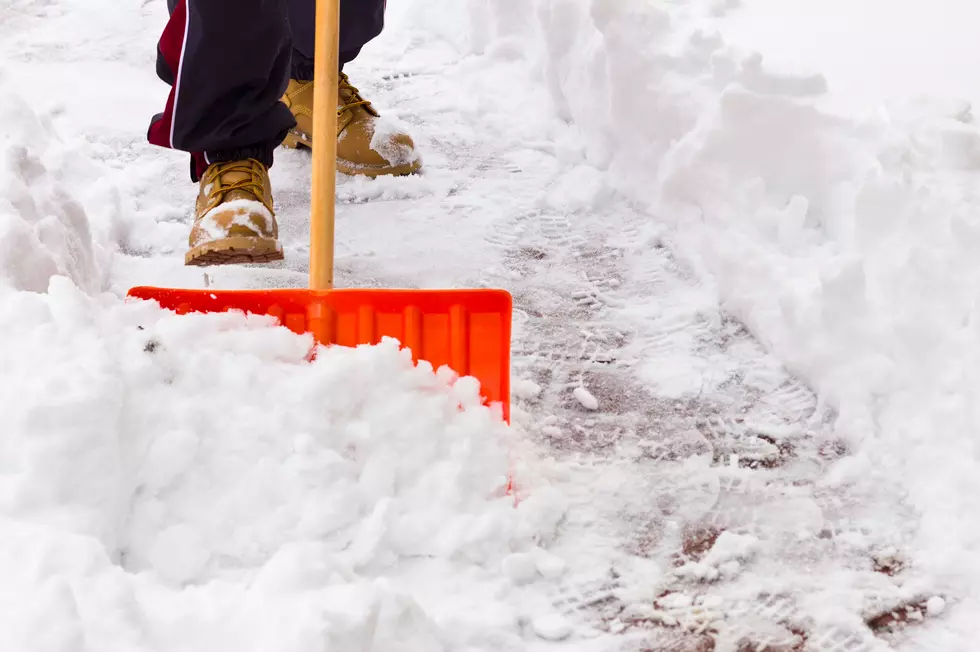
Things to Keep in Mind While Shoveling

littleny

Things to Keep in Mind While Shoveling

If you are able to shovel the snow and know that it needs to get done, here are a few tips, curtesy of the American Heart Association, of things to keep in mind to keep yourself safe while shoveling.
Whats Heavier, The Shovel or The Snow?

Joshua Lott

What’s Heavier, The Shovel or The Snow?

A shovel full of snow is heavy, and for some, this takes a great deal of excursion. Combine that with the cold temperatures, it can take a toll on a person’s heart and their body.
Dont Eat a Big Meal Before

Steve Mason

Don’t Eat a Big Meal Before

Remind yourself to take frequent breaks, yes, you want to get it done, but a few minutes slower will be better on your body. Also good for shoveling? Not eating a big meal before you head outdoors, and refraining from alcohol before and after shoveling the snow.
Is it Better to Throw or Push the Snow?

DenisePohl

Is it Better to Throw or Push the Snow?

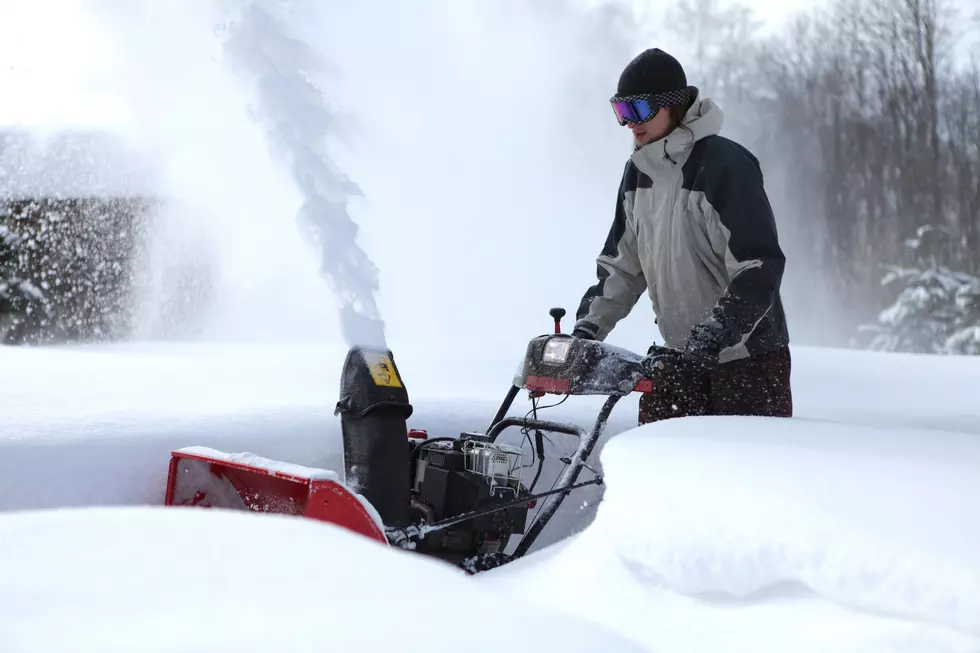
When you are out there shoveling, use a smaller shovel (so you can’t move as much at one time) this will help to keep the strain level down, as will using a snow thrower. If it is possible (depending on how deep the snow is and the distance you have to move it) use the shovel to push the snow.
“Heart Attack Warning Signs”

Aliaksandr Bahdanovich

“Heart Attack Warning Signs”

Learn the “Heart Attack Warning Signs” so you are aware of what could potentially be happening to you while shoveling: Chest discomfort, along with discomfort in other areas of the upper body. Other signs are a shortness of breath, breaking out in a cold sweat, nausea or lightheadedness.
When Should You Call 9-1-1?

bvb1981

When Should You Call 9-1-1?

These are just a few of the warning signs that you should become familiar with, there is a full list of signs at the American Heart Association website, Heart.org. If you think that you might be having a heart attack during or after shoveling, call 9-1-1, do not attempt to drive yourself to the hospital.

How To Stay Safe During ‘Dangerous’ Cold in New York

How To Stay Safe During ‘Dangerous’ Cold in New York

Frostbite
Frostbite

Nikolay Ponomarenko

Frostbite

  • To avoid frostbite, stay inside during severe cold.
  • If you must go out, try to cover every part of your body: ears, nose, toes and fingers, etc. Mittens are better than gloves. Keep your skin dry and stay out of the wind when possible.
  • Drink plenty of fluids since hydration increases the blood’s volume, which helps prevent frostbite. Avoid caffeine, alcohol and cigarettes – caffeine constricts blood vessels and prevents warming of extremities, alcohol reduces shivering, which helps keep you warm, and cigarette use shuts off blood flow to your hands.
  • If you suspect frostbite, until you can get indoors, don’t rub or massage cold body parts. Drink warm liquids, put on extra layers of clothes and blankets, and remove rings, watches, and anything tight.
  • Once indoors, don’t walk on a frostbitten foot – you could cause more damage. Get in a warm (NOT hot) bath and wrap face and ears in a moist, warm (NOT hot) towel.
Frostbite
Frostbite

Jupiterimages

Frostbite

  • Don’t get near a hot stove or heater or use a heating pad, hot water bottle, or a hair dryer. You may burn yourself before feeling returns.
  • Frostbitten skin will become red and swollen and feel like it’s on fire. You may develop blisters. Don’t break the blisters. It could cause scarring.
  • If your skin turns blue or gray, is very swollen, blistered or feels hard and numb even under the surface, go to a hospital immediately.
Hypothermia
Hypothermia

Lacheev

Hypothermia

  • Hypothermia is caused by prolonged exposure to cold temperatures, especially in children and the elderly.
Hypothermia
Hypothermia

ViktorCap

Hypothermia

  • Watch for the following symptoms: inability to concentrate, poor coordination, slurred speech, drowsiness, exhaustion, and/or uncontrollable shivering, following by a sudden lack of shivering.
Hypothermia
Hypothermia

zoff-photo

Hypothermia

  • If a person’s body temperature drops below 95 degrees Fahrenheit, get emergency medical assistance immediately.
Hypothermia
Hypothermia

ChesiireCat

Hypothermia

  • Remove wet clothing, wrap the victim in warm blankets, and give warm, non-alcoholic, non-caffeinated liquids until help arrives.
Protecting Water Pipes

Comstock

Protecting Water Pipes

Prevent the mess and aggravation of frozen water pipes, protect your home, apartment, or business by following these steps:
  • When it’s cold, let cold and hot water trickle at night from a faucet on an outside wall. Open cabinet doors to allow more heat to get to un-insulated pipes under a sink or appliance near an outer wall. Make sure heat is left on and set no lower than 55 degrees.
  • If you plan to be away, have someone check your house daily to make sure the heat is still on to prevent freezing, or drain and shut off the water system (except indoor sprinkler systems).
  • If pipes freeze, make sure you and your family know how to shut off the water, in case pipes burst. Stopping the water flow minimizes damage to your home.
  • Never try to thaw a pipe with an open flame or torch.
  • Always be careful of the potential for electric shock in and around standing water.
  • Call a plumber and contact your insurance agent.
Be Fire Safe
Be Fire Safe

Stockbyte

Be “Fire Safe”

  • Buy and carefully maintain a quality smoke and carbon monoxide detector.
  • Inspect your home to eliminate or control fire hazards.
  • Install at least 5-pound A-B-C type fire extinguishers in the home and teach family members how to use them.
  • Establish a well-planned escape route with the entire family.
  • Hold practice fire drills until all family members are thoroughly familiar with plan.
  • If you have an older home, have the wiring checked by a qualified electrician to make sure it meets current building codes.
  • Have your chimney and fireplace cleaned and inspected yearly for creosote build-up, cracks, crumbling bricks or mortar and any obstructions.
  • Keep storage areas clean and tidy.
  • Keep curtains, towels and potholders away from hot surfaces.
  • Store solvents and flammable cleaners away from heat sources. NEVER keep gasoline in the house.
  • Inspect extension cords for frayed or exposed wires or loose plugs.
Be Fire Safe
Be Fire Safe

MihailUlianikov

Be “Fire Safe”

red flame fire texture backgrounds
Carbon Monoxide
Carbon Monoxide

rclassenlayouts

Carbon Monoxide

  • Carbon monoxide is produced anywhere that fuel is burned and is the leading cause of accidental poisoning deaths in the United States.
  • Carbon monoxide is an odorless, tasteless and invisible killer, and the ONLY safe way to detect it is with a carbon monoxide alarm.
  • Carbon monoxide alarms range in price from $20 to $50 depending on additional features.
  • Symptoms of carbon monoxide poisoning include sleepiness, headaches and dizziness.
  • If you suspect carbon monoxide poisoning, ventilate the area and get to a hospital.
187515882
187515882

maximkabb

187515882

Young mother and daughter by a fireplace on Christmas
Maintain and Inspect Home Heating Appliances

Getty Images

Maintain and Inspect Home Heating Appliances

  • Space Heaters – Keep space heaters at least 3 feet away from furniture, window treatments, bedding, clothing, rugs, and other combustibles. Avoid the use of extension cords with electric heaters. Always turn off space heaters before leaving the room or going to bed.
Maintain and Inspect Home Heating Appliances

Stephen Harris/Townsquare Media Hudson Valley

Maintain and Inspect Home Heating Appliances

Wood Burning Appliances and Fireplaces – Do not burn trash in the wood stove or fireplace. Burn only well-seasoned hardwoods.
Maintain and Inspect Home Heating Appliances

Thinkstock

Maintain and Inspect Home Heating Appliances

  • Fireplaces – Be sure the fire you build fits your fireplace or stove, don’t overload it. Be sure wood stoves are installed at least 36 inches away from the wall. Keep combustible materials well away from the fireplace, stove and chimney. Keep the area around them clean. Always use a fireplace screen to prevent sparks from leaving the fireplace and starting a fire. Never leave a fire unattended.
Maintain and Inspect Home Heating Appliances

vkyryl

Maintain and Inspect Home Heating Appliances

  • Chimneys – Creosote accumulation is the leading cause of chimney fires. A chimney that is dirty, blocked or is in disrepair can inhibit proper venting of smoke up the flue and can also cause a chimney fire. Nearly all residential fires originating in the chimney are preventable. An annual chimney inspection by a qualified chimney sweep can prevent fire or carbon monoxide poisoning.
Maintain and Inspect Home Heating Appliances

Getty Images

Maintain and Inspect Home Heating Appliances

  • Fuel Burning Appliances – Inspect the shut off mechanism and wick for proper operation. Fill the tank with fresh fuel. Let the heater cool down before refueling. Adding fuel to a hot heater can start a dangerous fire.
Home Energy Assistance Program

Hillary Fox

Home Energy Assistance Program

Eligible homeowners and renters may still apply for the Home Energy Assistance Program (HEAP), which can provide up to $751 depending on income, household size and how they heat their home. A family of four may have a maximum gross monthly income of $5,249 or an annual gross income of $62,983 and still qualify for benefits —a modest increase from last year’s threshold.
Home Energy Assistance Program

Michael Flippo

Home Energy Assistance Program

Those New Yorkers who have already used up their regular benefit and are now facing disconnection from or an exhaustion of their heating source may apply for an emergency benefit. A home heated with natural gas is eligible for up to $465, while a home using oil, kerosene or propane is eligible for up to $965.
Home Energy Assistance Program

hikesterson

Home Energy Assistance Program

Administered by the state Office of Temporary and Disability Assistance, applications for HEAP are accepted at local departments of social services in person or by telephone, with funding provided on a first-come, first-served basis. A list of local offices by county can be found here. Residents outside of New York City may also apply online for regular heating assistance benefits. New York City residents may download an application and obtain program information here.


Home Energy Assistance Program

Dmitry Pistrov

Home Energy Assistance Program

Additionally, New York State is providing $150 million in federal funding to help low-income households pay heating utility arrears. The one-time payments through the regular arrears supplement can cover all accumulated heating utility arrears up to $10,000 per household, with applications for assistance accepted at local departments of social services in person or by telephone.

Home Energy Assistance Program

Uladzimir Bakunovich

Home Energy Assistance Program

Code Blue
Under state regulation, a Code Blue is automatically in effect whenever the temperature and wind chill equals less than 32 degrees. Local social services districts are legally required to take necessary steps to ensure the homeless have access to shelter and that shelter hours are extended.
Other Heating Safety Tips

Thinkstock

Other Heating Safety Tips

  • Make sure chimneys and vents are checked for blockages, corrosion, and loose connections.
  • Open flues completely when fireplaces are in use.
  • Use proper fuel in space heaters.
  • Never burn charcoal or a barbecue grill inside a home or enclosed space.
  • Never use portable fuel-burning camping equipment inside a home, garage, or vehicle
  • Never leave a car running in an attached garage, even with the garage door open.
  • Never operate unvented fuel-burning appliances in any room where people are sleeping.
  • Never use the kitchen stove for heating a house.
  • Never run a gas-powered generator in a garage, basement, or near any overhang on the home. Keep it at a distance.
916298380
916298380

Moussa81

916298380

Freezing temperatures and cold weather concept with a vintage thermometer surrounded by blue ice showing sub zero temperature with copy space


Share This News

Leave a Reply

Your email address will not be published. Required fields are marked *

More News of This Category