Cyber violence affects cultural events, practices

- Update Time : Saturday, January 17, 2026
- 67 Time

Increasing incidents of cyber violence against women cultural activists are affecting cultural events and practices in the country, women cultural activists said.
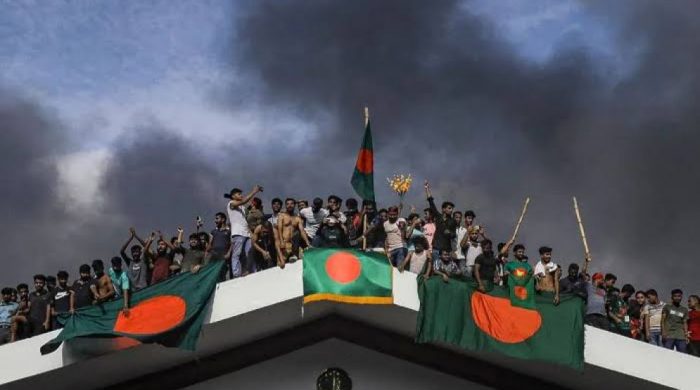
They said that cyber violence against the activists increased after the July uprising that ousted the authoritarian Awami League regime on August 5, 2024.
They said that women cultural activists were regularly attacked online during the student-led July uprising and after the uprising, a vested group targeted the activists for online attacks and the attackers were labelling the activists as ‘anti-Islam’.
The attackers also tagged the activists as ‘Shahbagi’, a term used by a quarter to refer to left political activists insultingly and ‘Hinduani’ (something related to Hinduism), they said.
They alleged that the oppressors used fake photo news cards, artificial intelligence-generated photos and videos with irrelevant events and personal photographs to propagate misinformation on social media.
Organised attacks are also held by open fake ID on social media to comment, react and share cultural activists’ Facebook posts on various political, social and religious issues, which impact negatively cultural practices, they said.
Theatre activist, playwright and Dhaka University sociology department teacher Samina Luthfa, internationally acclaimed Bangladeshi film artiste Azmeri Haque Badhon, actress and activist Kazi Nawshaba Ahmed, theatre director-actor and activist Mohsina Akhter and Bangladesh Udichi Shilpigosthi member cultural activist Rumi Prova shared their experience and thoughts in this regard.
They also stressed social movements against cyber violence due to lack of safeguards from the law enforcement agencies.
Samina Luthfa said that the main aim of cyberbullying was to stop women’s activities in public spaces and cultural activists were the ‘soft’ targets as most of them were not connected with political parties.
She also said that there was a tendency to attack cultural activists and educationists because they did not have many followers online to fight cyberbullying and law enforcement agencies also did not take the issues seriously.
‘Most of the young activists do not protest any incident because of the fear of cyberattacks, but we all need to speak out regularly despite the attacks so that we can make these tools of silencing irrelevant. The attackers target senior cultural activists to demoralise their followers, teammates and also young activists,’ she said.
Samina said that following the visit of the University Teachers’ Network, of which she is a member, at the office of Detective Branch of police in search of coordinators of the Students Against Discrimination, which spearheaded the July uprising, on July 27, 2024, during the student-led uprising, she faced numerous negative comments from her Facebook friends and supporters of Bangladesh Awami League, the activities of which are now banned.
When the AL-led government collapsed, the official page of Bangladesh Chhatra League, the AL’s student front, which is now banned, also used misinformation against her creating photo cards.
Samina said, ‘Some students and fake accounts using Dhaka University-based pages are currently also propagating fake information about me. I filed a general diary in May 2025 regarding the issue, but still there is no visible progress.’
She said that cultural activists should not stop working because the effects of cyberbullying would diminish slowly.
Azmeri Haque Badhon said that she had been heavily harassed on digital platforms since the student-led movement and uprising.
‘Many vested people and groups used my photos and artificial intelligence-generated photo cards with my name on those to spread false speech on many irrelevant events, which made me suffer a lot,’ she said, adding that her maturity in dealing with the medium kept her relatively stable against cyberbullying, but massive harassment created a lot of stress on her.
‘It will be difficult for a young women cultural activist to handle such situation,’ she said.
Badhon stressed social awareness and social movements against cyber violence targeting women and girls and proper execution of laws against oppressors for tackling such violence.
Kazi Nawshaba Ahmed said that oppressors attacked women activists without honouring their contribution to society through art practices, which affected cultural practices and lifestyle of people.
She also urged parents to raise awareness and build safety net for adolescents for using social media where there are no age limits.
‘Recently Australia has put limits on age and contents on social media, which is praiseworthy,’ she said, adding that without proper execution of law, it was impossible to check cyber violence in a high density country like Bangladesh.
Mohsina Akhter said that women who expressed opinions and acted beyond the rules imposed by society received intense hatred as usual, but now social media documented the entire incident and propagated it.
Mohsina also said after the uprising, there were fears of going viral negatively as cyberbullying had increased massively.
‘Now, bullying starts on social media if someone political and personal views do not match with others,’ she said, adding that insecurity was rising high in people’s mind, as social media was affecting daily life intensely.
Rumi Prova said that harassment against women cultural activists had apparently become the rights of oppressors due to lack of justice.
She also said that during the student-led uprising, she performed many cultural events, including music and drama, which received extreme bullying on social media.
After the uprising, attackers are categorising cultural activists as ‘anti-religious’ and tagged them as ‘Shahbagi’ and ‘Hinduani’ on social media, said Rumi, adding that it needed to ensure justice and build social movements against cyber violence against women.
Cultural affairs adviser Mostofa Sarwar Farooki and secretary of the ministry Md Mofidur Rahman could not be reached over phone for comments on the issue despite repeated attempts.