Tarique Rahman: Reality of power and people

- Update Time : Wednesday, April 1, 2026
- 4 Time
Power is a magical word. It carries distinctive qualities, even an irresistible allure. Once a leader assumes office, everything about them changes—mannerisms, behaviour, even their worldview. The ordinary is perceived as extraordinary, and family and close associates multiply in influence. Subordinates increase geometrically, and the leader is fed only what they wish to hear and see. In essence, leaders often become enclosed within a bubble, unable to access the full reality around them.
This is a familiar feature of Bangladesh’s political landscape, widely recognised by the public. Yet, the early days of the BNP-led government suggest that Prime Minister Tarique Rahman is challenging these conventions. He appears committed to building a new Bangladesh founded on possibilities, blending vision with action.
Observers note that Rahman’s leadership style is strikingly unassuming. Despite being the country’s elected Prime Minister, he moves with quiet composure, listens attentively, and avoids ostentation and abuse of power. His simple, grounded manner stands in stark contrast to conventional political expectations.
At the same time, questions occasionally arise. Is Rahman genuinely as modest as he appears, or is this a calculated strategy to gain political popularity? How did he sustain the party through crises from thousands of miles away? How did he inspire disheartened party workers and navigate complex domestic and international politics to emerge as Bangladesh’s elected Prime Minister?
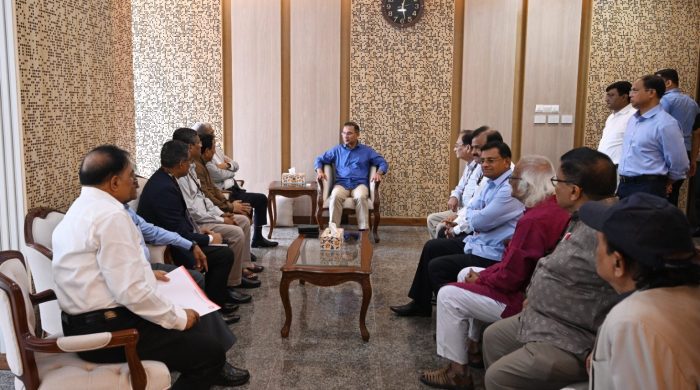
Rahman has visibly reshaped public expectations of leadership. Unlike typical VIP movements that disrupt city life, he limits motorcades, attends work punctually—even on holidays—and engages directly with citizens. His practical measures demonstrate a conscious effort to prioritise accessibility and accountability over pomp.
Yet the balance between power and the people is delicate. Political office inevitably breeds internal tension—loyalists may feel entitled, while those excluded may harbour resentment. Observers note that some BNP leaders, post-ascension, have become overly refined, detached from grassroots supporters, and more concerned with appearances than action. Rahman’s challenge lies in maintaining cohesion while fostering a participatory party culture.
Significantly, he is working to shift the party from being MP-centric to organiser-centric, building local leadership capable of responding in crises. This focus on grassroots empowerment ensures that the party remains resilient and connected to the electorate.
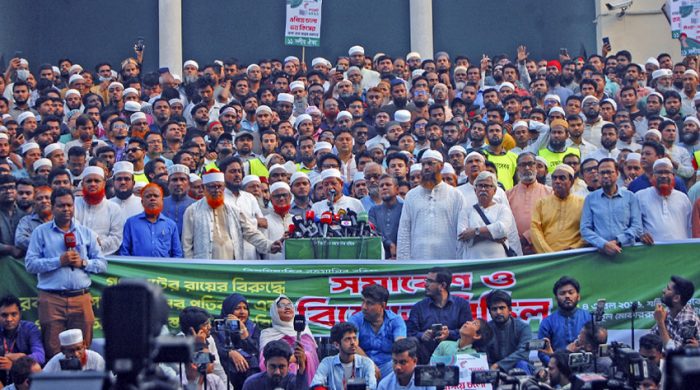
History shows that collective public will can surpass entrenched power. The July 24 movement in 2024 demonstrated that united citizens can challenge even the most fortified authority. By prioritising people’s welfare and responsiveness, Rahman aims to cultivate trust and reshape Bangladesh’s contentious political culture.
Already, his government has taken steps consistent with electoral promises: introducing Family Cards, Farmer Cards, allowances for imams and muezzins, and providing free Wi-Fi at airports, stations, and trains—all within a month of assuming office. Continued implementation of such initiatives could establish Tarique Rahman not merely as the BNP leader but as the undisputed representative of the Bangladeshi people.
Author: Columnist and Political Analyst, Head of News, News24