Pakistan ready to host US-Iran peace talks

- Update Time : Saturday, April 11, 2026
- 0 Time

Pakistan was poised on Friday to host Iranian and US delegations for negotiations in its capital, although Tehran’s participation remained uncertain after deadly Israeli strikes on Lebanon threatened this week’s temporary truce.
Iran’s parliament speaker set a ceasefire in Lebanon and the ‘release of Iran’s blocked assets’ as pre-conditions for the start of negotiations with the United States.
‘Two of the measures mutually agreed upon between the parties have yet to be implemented: a ceasefire in Lebanon and the release of Iran’s blocked assets prior to the commencement of negotiations,’ Mohammad Bagher Ghalibaf wrote in a post on X in English.
‘These two matters must be fulfilled before negotiations begin.’
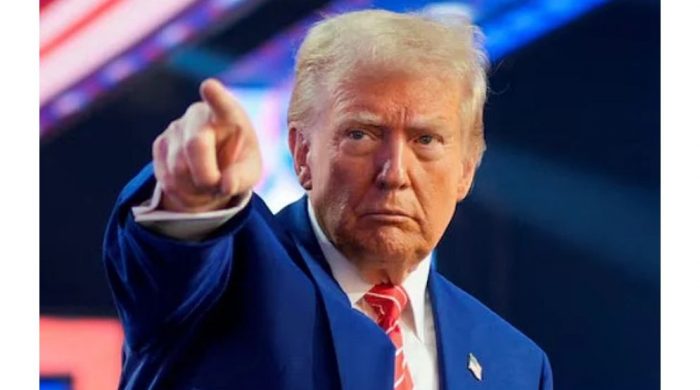
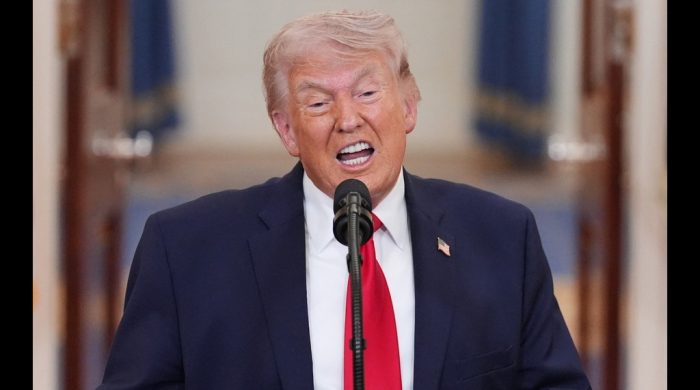
President Donald Trump said that US warships are being reloaded with weaponry to strike Iran if talks in Pakistan fail to produce a deal, in an interview with the New York Post.
‘We have a reset going. We’re loading up the ships with the best ammunition, the best weapons ever made — even better than what we did previously and we blew them apart,’ the Post quoted Trump as saying.
‘And if we don’t have a deal, we will be using them, and we will be using them very effectively.’
In a brief and cryptic message on his Truth Social network earlier, Trump had spoken of the “WORLD’S MOST POWERFUL RESET!!!”
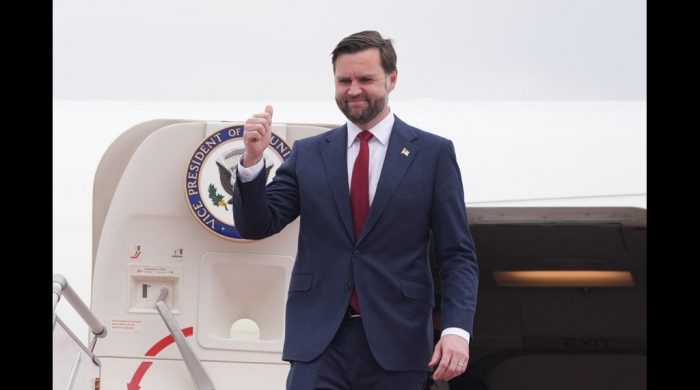
US vice president JD Vance warned Iran against trying to ‘play’ Washington, as he set off for talks in Islamabad aimed at transforming a fragile ceasefire into a lasting peace deal.
Despite the temporary truce struck between the foes, deep disagreements remain as to the way forward, and both sides have accused the other of failing to properly implement the current agreement.
‘If the Iranians are willing to negotiate in good faith, we’re certainly willing to extend the open hand,’ Vance told reporters before taking off from Joint Base Andrews in Maryland.
But ‘if they’re going to try to play us, then they’re going to find the negotiating team is not that receptive’, he said.
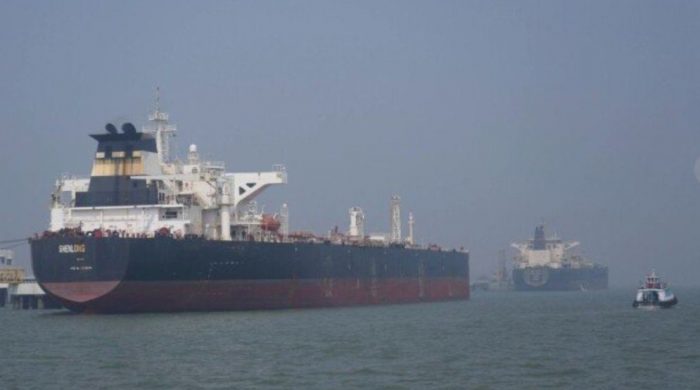
Since the ceasefire took effect, US president Donald Trump has voiced displeasure at Iran’s handling of the strategic Strait of Hormuz, which was meant to be reopened, while Tehran has reacted angrily to Israeli attacks in Lebanon, insisting that it too falls under the agreement.
Official sources say the talks in Islamabad will cover several sensitive points, including Iran’s nuclear enrichment and the free flow of trade through the strait.
While Pakistan had said the discussions would start on Friday, Vance is not expected to arrive until Saturday.
Late Friday evening, all routes leading to the Serena Hotel, the expected venue, were blocked off with heavy security, while a large banner and digital signs along the expressway heralded the ‘Islamabad Talks’.
Iran has suggested that its participation could hinge on a halt to Israeli attacks on Lebanon: ‘The holding of talks to end the war is dependent on the US adhering to its ceasefire commitments on all fronts, especially in Lebanon,’ said Esmaeil Baqaei, Iran’s foreign ministry spokesman.
Iranian officials have said the Israeli strikes had rendered the Pakistan talks ‘meaningless’.
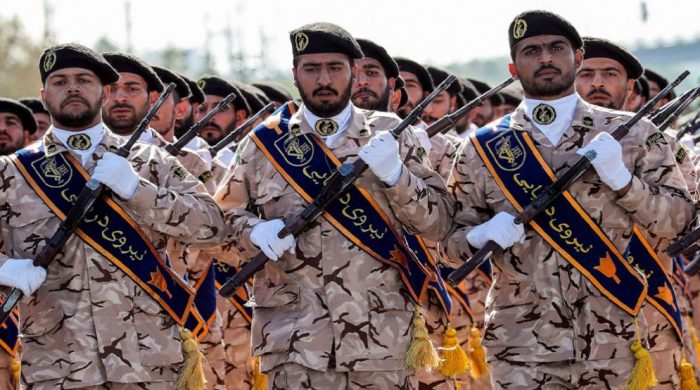
Nevertheless, Iran’s powerful Revolutionary Guards signalled they were committing to the ceasefire and had ‘not launched anything at any country’, according to the state broadcaster.
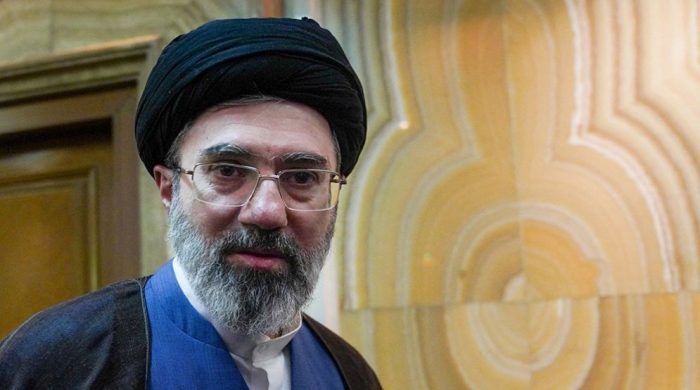
Iran’s new supreme leader Mojtaba Khamenei said in his latest written message the Islamic republic did not want war with the United States and Israel, but would protect its rights as a nation, state television reported Thursday.
‘We did not seek war and we do not want it,’ he said in the message read out on state TV, weeks after his father, Ayatollah Ali Khamenei, was killed on February 28, the first day of the war.
‘But we will not renounce our legitimate rights under any circumstances, and in this respect, we consider the entire resistance front as a whole,’ he added, in an apparent reference to Lebanon where Israel is fighting with Tehran’s ally Hezbollah.
Iran this week agreed to a fragile two-week ceasefire with the United States that could lead to peace negotiations after threats of annihilation from Trump.
Khamenei told Iranians that they must ‘not imagine that taking to the streets is no longer necessary’ despite the announcement of the ceasefire.
‘Your voices in public squares are undoubtedly influential in the outcome of the negotiations,’ he said, according to the message broadcast on state TV.
He has issued written declarations, most of them read out by presenters on state television.
In a barrage of social media posts that sparked fears for the shaky truce, Trump on Thursday accused Iran of doing a ‘very poor job’ of allowing oil through the Strait of Hormuz and of breaching the terms of their ceasefire agreement.
But Vance, who is leading the US delegation alongside special envoy Steve Witkoff and Trump’s son-in-law Jared Kushner, told reporters: ‘We’re going to try to have a positive negotiation.’
While Iran has not formally confirmed its representatives at the talks, foreign minister Abbas Araghchi and parliament speaker Mohammad Bagher Ghalibaf are expected to lead Tehran’s team, reports Al Jazeera.
Pakistan’s value as a mediator rests on an unusually broad diplomatic network.
Iran was the first country to recognise Pakistan following independence in 1947, with the two neighbours sharing a 900-kilometre border and deep historical, cultural and religious ties. Pakistan is also home to over 20 million Shia Muslims: the second-largest such population in the world after Iran.
Islamabad has cultivated strong ties with Washington, Riyadh and Beijing.
Pakistani foreign minister Ishaq Dar visited Beijing at the end of March for talks with Wang Yi, who backed Islamabad’s mediation efforts as ‘in keeping with the common interests of all parties’.
Trump himself said that China helped bring Iran to the negotiating table, an account backed by Pakistani officials.