Parliament should not be a place for flattery, says opposition leader

- Update Time : Monday, June 29, 2026
- 28 Time
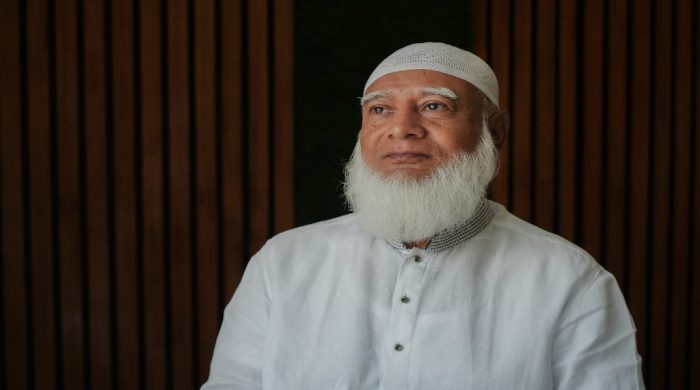
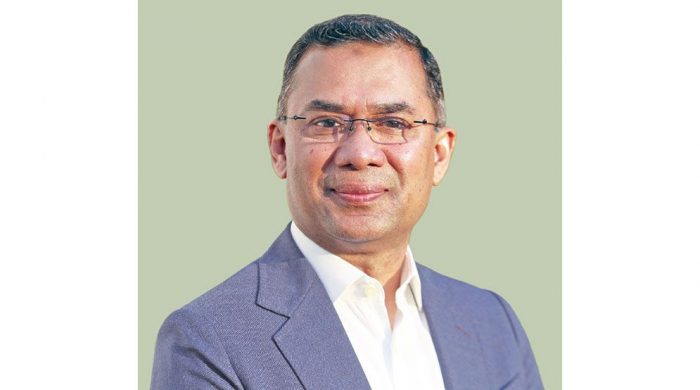
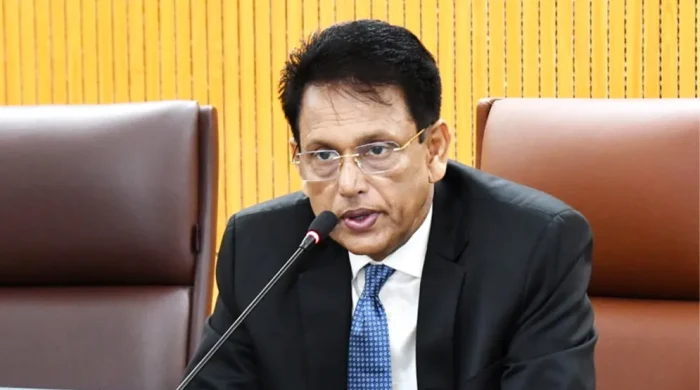
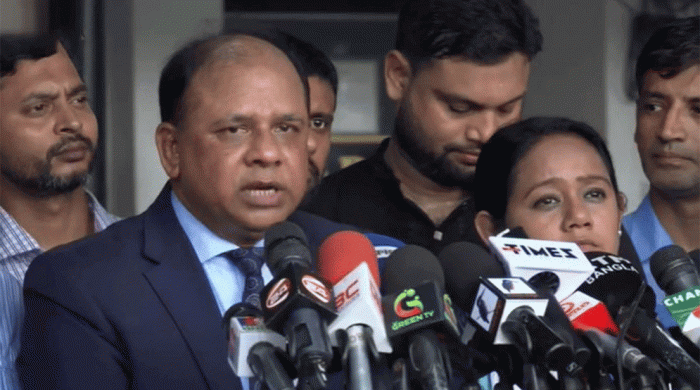
Opposition leader Shafiqur Rahman on Monday said that Jatiya Sangsad is not a place for flattery but a forum for fulfilling responsibilities, urging the speaker to ensure that taxpayers’ money is no longer used for character assassination in the House.
He also called for an end to the culture of singing songs, reciting poems and excessively praising individuals on the floor of parliament.
Shafiqur made the remarks while taking part in the general discussion on the proposed national budget for the financial year 2026-27 during the second session of the Jatiya Sangsad, chaired by Speaker Hafiz Uddin Ahmad.
He said it was unrealistic to expect the government and opposition to hold identical views.
If everyone thought alike, there would be no need for lengthy parliamentary debates, Shafiqur said.
Describing the budget session as the most significant parliamentary sitting of the year, he said the country’s direction for the coming year would largely depend on the decisions taken during the session, and all members had contributed with that sense of responsibility.
Shafiqur urged the government to respect the opposition while encouraging the opposition to extend reasonable cooperation where appropriate.
Criticising the previous parliamentary culture of using songs, poetry and extravagant praise to glorify individuals, he said parliament should never become a venue for sycophancy funded by taxpayers.
Instead, it should remain a place for carrying out constitutional duties, the opposition leader said.
He called on the speaker to bring a complete end to the practice of attacking or defaming others in an attempt to please powerful individuals.
Thanking the finance minister for presenting the budget, Shafiqur described the national budget as a charter for the country’s survival and future progress.
He said the opposition’s role was to act as a watchdog, ensuring that the budget served the public interest, protected citizens’ rights and prevented wasteful expenditure.
He said that while some members of the ruling party had welcomed criticism, others had reacted negatively, describing such diversity of opinion as one of parliament’s strengths.
The opposition leader also criticised the long-standing practice of routinely rejecting cut motions on supplementary budgets, expressing hope that the finance minister would accept reasonable proposals from both government and opposition members to demonstrate that parliamentary debate had genuine value.
Proposing a structural reform to improve budget implementation, Shafiqur suggested replacing Bangladesh’s current July–June fiscal year with a January–December calendar year.
On economic reform and revenue collection, he said honest governance could generate revenue exceeding official targets.
However, businesses must be assured that they would not be forced to pay unofficial taxes to corrupt officials and extortionists in addition to legitimate government taxes, he said.
Shafiqur said that if businesses were guaranteed a fair tax system and state protection during difficult times, honest entrepreneurs would willingly contribute more.
Expressing frustration over corruption during the past 15 years, he claimed that a small number of dishonest businesses had looted the country.
The opposition leader criticised the budget for lacking a clear roadmap to recover the estimated Tk 28 lakh crore laundered abroad during the previous 15 and a half years.
He said that recovering even one-ninth of that amount during the coming fiscal year could eliminate the budget deficit.
The opposition leader said that despite Bangladesh having numerous public and private universities serving a population of 18 crore, none occupied a respectable position in global rankings.
He attributed this decline to the absence of a clear national vision for education and the prioritisation of political considerations over merit.
Shafiqur expressed concern that the budget contained no meaningful allocation or consideration for the country’s large Qaumi madrassah education sector.