Changing names, uniforms does not change mentality: BNP MP

- Update Time : Saturday, June 27, 2026
- 0 Time
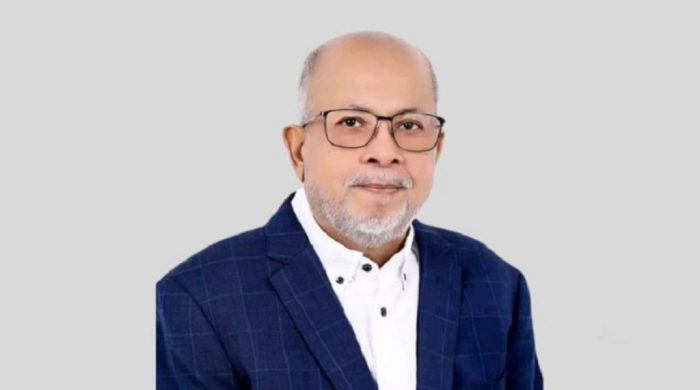
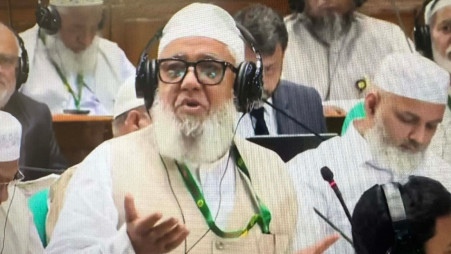
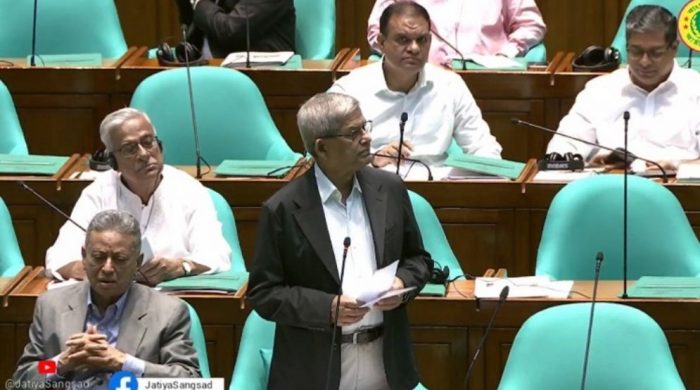
Bangladesh Nationalist Party lawmaker Gias Uddin Quader Chowdhury told the Jatiya Sangsad on Saturday that changing uniforms or names does not bring any change in mentality.
He made the remarks while taking part in the budget discussion for the financial year 2026-27 during the 16th day of the second session of the 13th JS.
The session was chaired by speaker Hafiz Uddin Ahmad.
Raising the issue of the home ministry, Gias Uddin said he wanted to begin his speech with law-and-order matters, noting that members sitting on his right (opposition bench) frequently spoke on such issues and that his party often faced criticism.
‘The reality is changing uniforms and names does not change mentality. This is an unpleasant truth,’ he said.
Addressing the speaker, Gias Uddin said, ‘You (the speaker) are a member of the armed forces. Tell me, how many mutinies have taken place in your service? Has the name of this armed force ever been changed? The name of this armed force is the Bangladesh Army; it has remained the Army.’
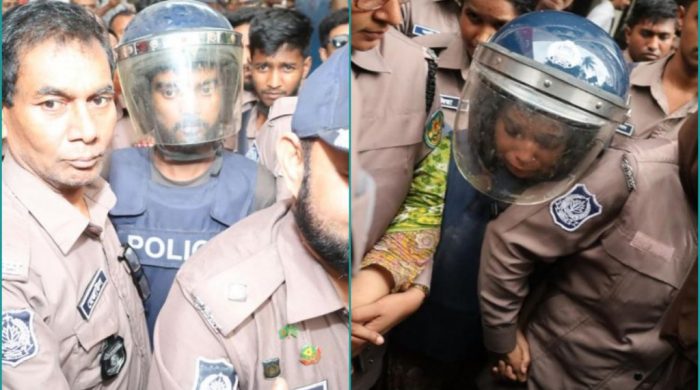
He described the 2009 BDR mutiny as a planned killing, saying that although the force was later renamed Border Guard Bangladesh after previously being known as Bangladesh Rifles, such changes did not erase the past or alter underlying conduct.
Gias Uddin said that renaming institutions would not remove the ‘stain and bloodshed’ of the incident, nor would it bring about a change in mentality among those involved.
He said greater focus should be placed on strengthening the Border Guard Bangladesh through special allocations so that it could be made more effective in securing the country’s borders under the home ministry.
Referring to the finance minister’s fiscal policy, he said ordinary people often questioned him about the national budget during public interactions.
The lawmaker said that global developments, including disruptions in oil supply routes such as the Strait of Hormuz and wider geopolitical tensions, were contributing to rising prices.
He said policymakers should take such realities into account when framing economic decisions.