Defaulted loans surge by Tk 31,488cr in 3 months

- Update Time : Wednesday, June 3, 2026
- 8 Time
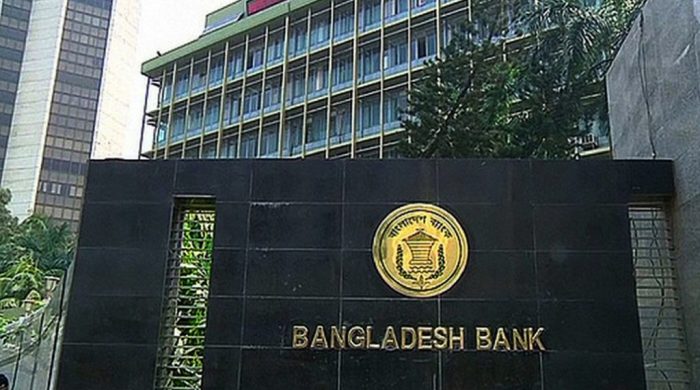
Defaulted loans in Bangladesh’s banking sector increased by Tk 31,488 crore within three months at the end of March 2026, mainly due to poor recovery and interest servicing.
Data from Bangladesh Bank showed that non-performing loans increased to Tk 5,88,704 crore in March from Tk 5,57,216 crore in December 2025.
Bangladesh Bank spokesperson and executive director Arief Hossain Khan told New Age that the increase was largely due to the accumulation of unpaid interest on existing defaulted loans amid slow recovery efforts.
As banks continue to charge interest on classified loans, the outstanding default amount increases, he said.
Central bank officials said that sluggish credit growth also contributed to the rise. Private sector credit growth fell to a record low of 4.72 per cent, reducing fresh loan disbursements and increasing the share of bad loans in the overall loan portfolio.
They also said that Bangladesh Bank inspections identified a significant volume of loans that should have been classified earlier.
Those loans were subsequently recognised as non-performing, pushing up the NPL figure.
Defaulted loans now account for 32.26 per cent of total outstanding loans, one of the highest ratios in the world.
Although NPLs declined from a record Tk 6,44,518 crore in September 2025, the reduction was largely the result of loan rescheduling and other regulatory measures rather than a genuine improvement in repayment behaviour.
Compared with March 2025, defaulted loans increased by nearly Tk 1.68 lakh crore in just one year. NPLs stood at Tk 4.20 lakh crore in March 2025.
Central bank officials said that more than Tk 30,000 crore in bad loans were rescheduled ahead of the February 12 national election, when many borrowers sought to regularise their loan status.
Bangladesh Bank also introduced special rescheduling facilities and allowed partial write-offs, helping reduce the headline NPL figure temporarily.
Economists said the latest rise highlights persistent weaknesses in the banking sector.
A figure of nearly Tk 5.9 lakh crore in bad loans continues to erode banks’ financial strength, forcing them to maintain large provisions against possible losses.
This reduces funds available for new lending and limits support for private investment and economic growth.
State-owned banks remain the worst affected. Their NPL ratio stood at 45.85 per cent in March, with Tk 1.5 lakh crore of their Tk 3.26 lakh crore loan portfolio classified as defaulted.
Private commercial banks recorded an NPL ratio of 30.11 per cent, while foreign banks kept bad loans below 5 per cent.
Economists attributed the long-running crisis to politically influenced lending, repeated loan rescheduling, weak recovery efforts and regulatory forbearance over the past decade.
Following the political transition in August 2024, many businesses linked to the previous power structure either scaled down operations or stopped servicing debts, contributing to a surge in defaults.
The situation was further exposed as Bangladesh Bank gradually tightened loan classification rules, reducing the overdue period from 270 days to 180 days in September 2024 and to 90 days in April 2025, bringing the system closer to international standards.