Bangladesh upholds legality of Ctg NCT deal process with DP World

- Update Time : Thursday, March 12, 2026
- 37 Time
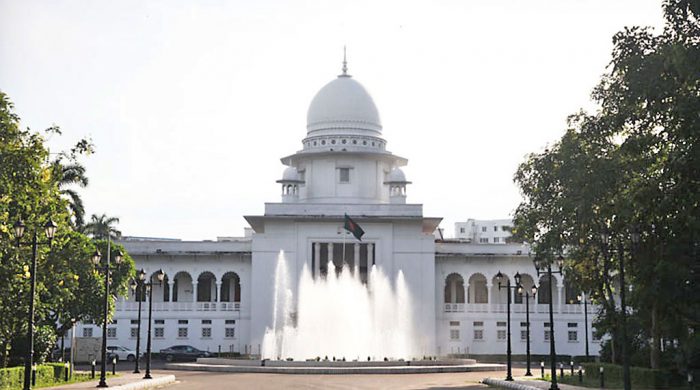
The Appellate Division of the Supreme Court of Bangladesh on Thursday upheld a High Court verdict that declared legal the interim government’s decision to initiate the process of appointing UAE-based firm DP World to operate the New Mooring Container Terminal at Chattogram Port.
The four-judge bench led by Chief Justice Justice Zubayer Rahman Chowdhury dismissed a petition filed by the Bangladesh Juba Arthanitibid Forum seeking leave to appeal against the High Court verdict.
The organisation had challenged the government’s move to complete the deal with DP World initiated by the ousted Awami League government.
Lawyer Helal Chowdhury, representing the Chattogram Port Authority, later told New Age that there would now be no legal bar to continuing the process of the deal with the Dubai-based port operator.
However, on February 8 the interim government announced that the agreement to lease the terminal to DP World would not be signed during its tenure following an indefinite strike by port workers demanding cancellation of the proposed deal.
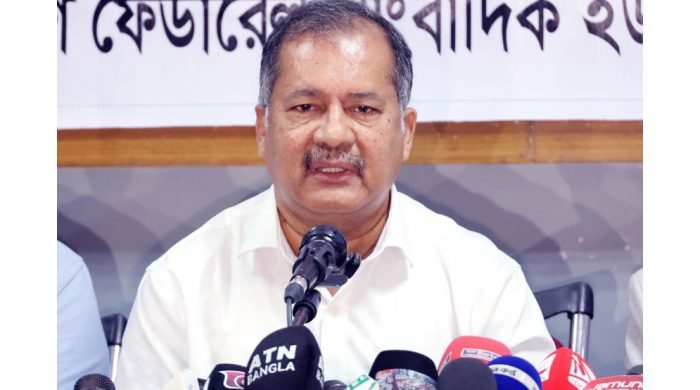
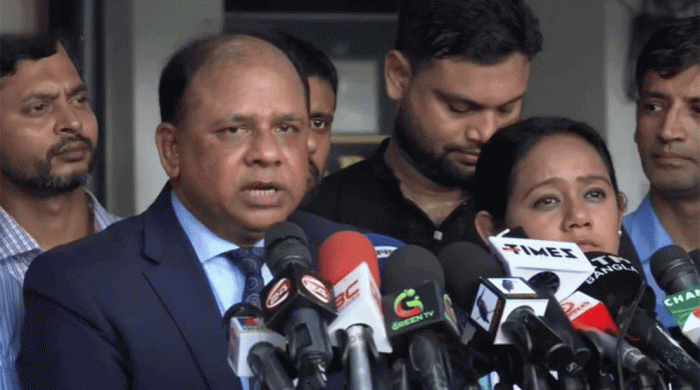
At a press conference, Chowdhury Ashik, executive chairman of the Bangladesh Investment Development Authority, said that DP World had received the draft concession agreement and sought additional time to review it in detail.
He said the extended review made it likely that negotiations would continue after the February 12 national election and be finalised by the next government.
Ashik added that although discussions had reached the final stage after years of negotiations since 2019, completing such a major concession agreement required more time.
In its verdict delivered on January 29, the High Court Division of the Supreme Court of Bangladesh held that competitive bidding is optional, not mandatory, under the Public Private Partnership Act, 2015, the Government-to-Government Policy, 2017 and the Procurement Guidelines, 2018.
The High Court dismissed a writ petition filed in 2025 by Mirza Walid Hossain, president of the Bangladesh Juba Arthanitibid Forum, in the public interest.
The court observed that the authorities had acted lawfully in choosing the direct selection method and that a judicial review court could not replace decisions taken by authorities empowered under the law.
It also said that the selection process is governed by the G2G policy and the memorandum of understanding signed under that framework.
Referring to Articles 6.4(d) and 7.4 of the policy, the court said the MoU determines the method of selection, while Clause 4.5 allows direct selection without tender.