Heat costs Bangladesh up to $1.78b in 2024: WB

- Update Time : Tuesday, September 16, 2025
- 54 Time

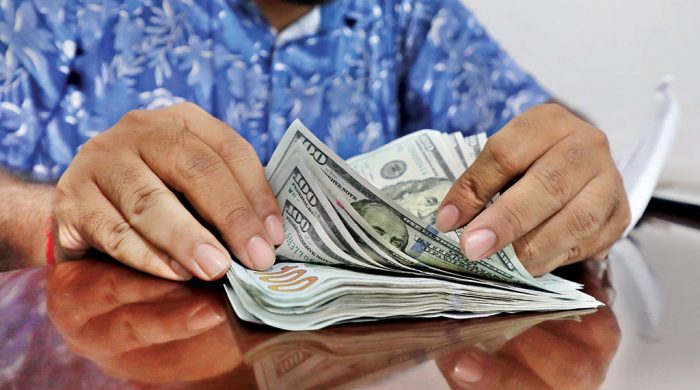
Bangladesh lost as many as 25 million workdays due to extreme heat in 2024, causing an estimated economic loss of up to $1.78 billion, or 0.3–0.4 per cent of the gross domestic product, according to a World Bank study revealed in Dhaka on Tuesday.
The report titled An Unsustainable Life: The Impact on Health and the Economy of Bangladesh said that the country’s average temperature has risen by 1.1 degrees Celsius in the past 44 years, while the ‘feels like’ temperature has jumped by 4.5 degrees Celsius.
The study warned that if the warming trend continued, heat stress could cost Bangladesh 4.9 per cent of its GDP by 2030.
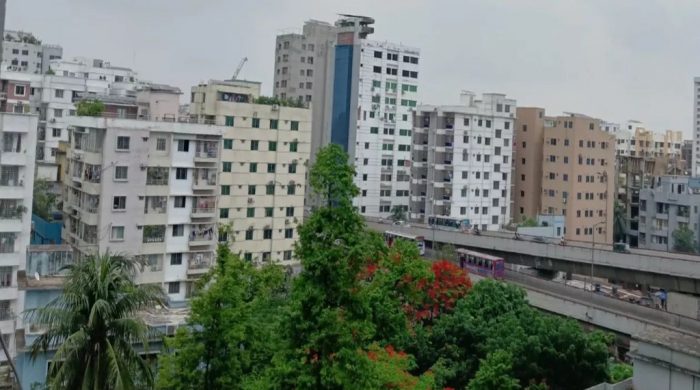
Dhaka has been warming at a far higher rate than the national average, with the capital’s temperature increasing 65 per cent more than the national average, largely due to unplanned urbanisation, industrialisation, and population rise, the study noted.
The WB survey, conducted in 3,746 households across Bangladesh between January and June 2024, linked rising heat with both physical and mental health hazards.
Persistent coughs were reported by six per cent of respondents in summer, up from 3.3 per cent in winter. Cases of diarrhoea rose from 1.8 per cent in winter to 4.4 per cent in summer, while 2.6 per cent reported heat exhaustion.
The mental health toll was also significant. Depression affected 16.2 per cent of respondents in winter, which rose to 20 per cent in summer.
‘The hotter days are putting people in poorer health, lowering productivity, and worsening poverty,’ said WB health and nutrition specialist and report co-author Wameq Azfar Raza. He added that many heat-related deaths go unrecorded due to comorbidities complicating cause-of-death data.
World Bank division director for Bangladesh and Bhutan Jean Pesme said that Bangladesh could still address heatwave impacts through climate adaptation and coordinated planning, citing Singapore as an example.
At the launch held at Sonargaon Hotel in Dhaka, environment, forest and climate change adviser Syeda Rizwana Hasan said that people in Dhaka did not need a study to know that the city was becoming unbearable.
‘This is not only a Bangladesh problem—it is global. But people in Dhaka are suffering acutely for unplanned urbanisation and policymakers’ failure to address heat over the years,’ she said.
She said that the present government targeted to plant trees on every bared soil.
She argued that Dhaka had already crossed its capacity and called for decentralisation, population regulation in the capital, and enforcement of laws to reduce the crisis.
The WB’s senior operations officer and co-author of the report, Iffat Mahmud, said that their analysis established measurable links between heat exposure, poor health outcomes, and productivity losses.
Bangladesh is one of the world’s most climate-vulnerable countries, with extreme heat compounding existing threats of floods, cyclones, and river erosion.