Company With 600 New York Stores, Closing Nearly 300 Locations

Reporter Name
  • Update Time : Sunday, July 7, 2024
  • 130 Time

Shawdesh Desk:

It appears it’s time to say farewell to another popular brand-name store in New York State.

The closing announcements sadly don’t stop in New York State.

Supermarket Chain with 60 New York Locations Confirms Hudson Valley Closure

Marcus & Millichap
Marcus & Millichap

Last month, Hudson Valley Post reported a supermarket in the region was closing down months earlier than expected. FIND OUT MORE HERE.

We also have reported that seven of America’s most popular restaurant chains confirmed nationwide closures.

Many eateries in New York State are closed. CLICK HERE to find out which brands are closing locations.

This May Impact You: 1 Of New York’s Biggest Gas Stations To Close 1,000 Locations

Family Dollar, CVS, Rite Aid, Walgreens and Macy’s Announce Closures

Google Maps
Google Maps

Family Dollar, CVS, Rite Aid, Walgreens and Macy’s are more popular brand names that are closing locations nationwide and in New York State.

Sad News: These 11 Popular Food Items Are Gone From New York State Stores

Sadly, another popular brand has announced closures.

7-Eleven Closing Nearly 300 Locations Nationwide

7-Eleven is planning to close 272 locations in 2024, according to CBS News.

Google
Google

Only CVS, 99 Cents Only Store, Rue21 and Family Dollar announced more closures in this year, as of this writing.

For all the news that the Hudson Valley is sharing make sure to follow Hudson Valley Post on Facebook, download the Hudson Valley Post Mobile

As of this writing, it’s unclear what 7-Eleven locations will close for good. A reason for the closures wasn’t given but CBS cites “poor management” and “changing consumer habits” as some reason for the closures.

595 7-Eleven Stores In New York State

7-Eleven operates nearly 10,000 locations nationwide. Just under 600 are located across New York State.

It’s not all bad news when it comes to 7-Eleven.

7-Eleven Reports Sales Increase
Getty Images


CBS also reports the company will open about 270 locations across the United States in 2024. It’s unclear where the new stores will be built.

50 Beloved Retail Chains That No Longer Exist

LOOK: 50 BELOVED RETAIL CHAINS THAT NO LONGER EXIST

Stacker takes a look at 50 major retail chains that no longer exist and the reasons for their demise.

Gallery Credit: Madison Troyer
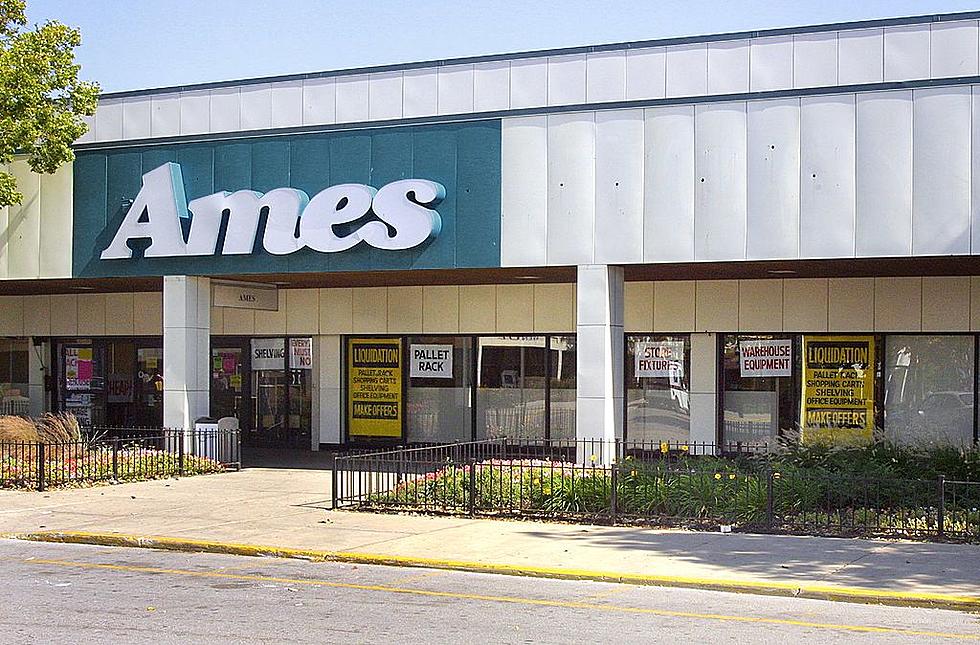
Ames
Ames

Getty Images

Ames

– Category: Department store
– Year founded: 1958
– Year defunct: 2002
– Lifetime: 44 years
Before there was Walmart—four years before, to be exact—there was Ames. The discount retailer used to sell a massive range of merchandise, including apparel, electronics, housewares, patio furniture, jewelry, and beyond. After 44 years of business, the corporation filed for bankruptcy, closing 327 stores and leaving 21,500 employees without jobs.
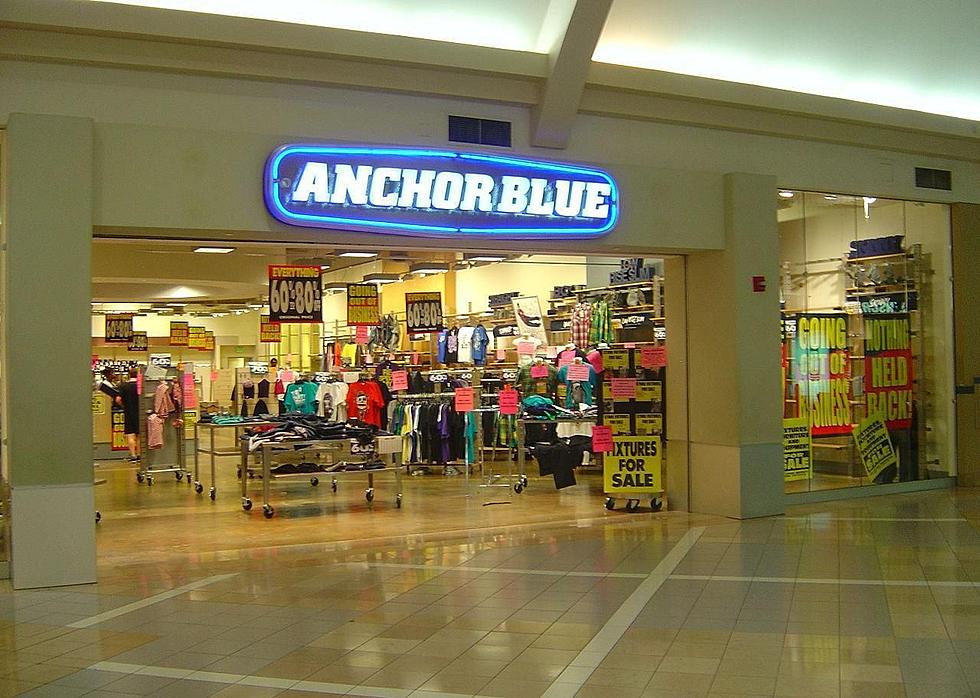
Anchor Blue
Anchor Blue

Monorail Orange // Wikimedia Commons

Anchor Blue

– Category: Clothing
– Year founded: 1972
– Year defunct: 2011
– Lifetime: 39 years

Anchor Blue, a teen clothing chain launched in 1972, filed for bankruptcy in 2011 after 39 years of business. At its height, the chain had more than 300 stores in the United States. But it could not survive the 2009 economic downturn. By the time it closed, there were 117 stores, most of which were in California.

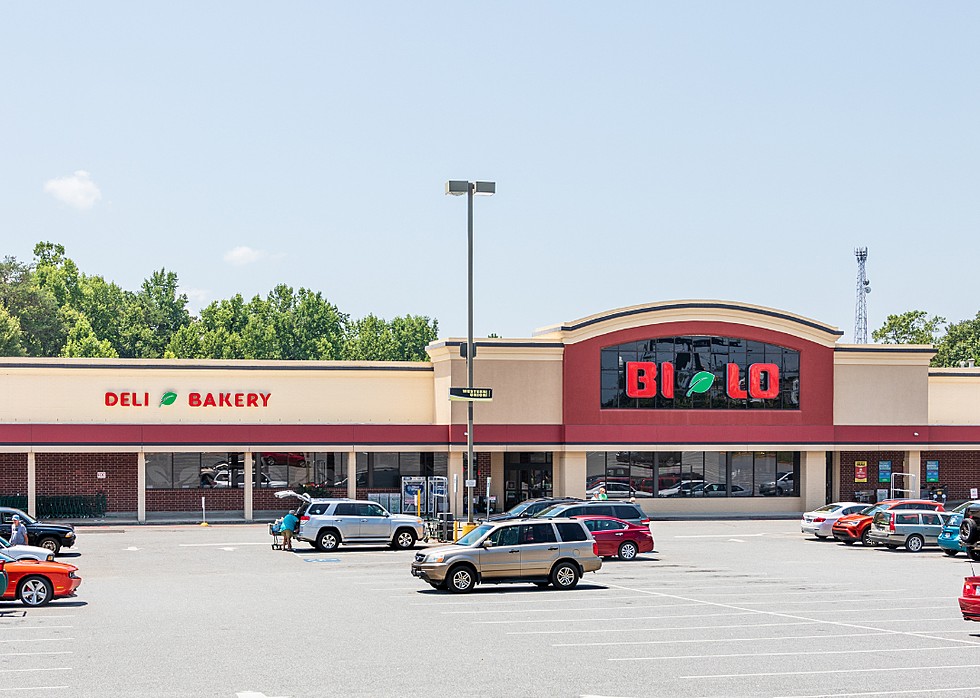
BI-LO
BI-LO

Nolichuckyjake // Shutterstock

BI-LO

– Category: Grocery stores and supermarkets
– Year founded: 1961
– Year defunct: 2021
– Lifetime: 60 years

A former Winn-Dixie executive, Frank Outlaw, started the BI-LO supermarket chain in 1961 when he purchased four grocery stores in the Greenville, South Carolina area. Primarily located in the Southeast, BI-LO had hundreds of stores under its banner at its peak in the early 2000s but wound up announcing bankruptcy in 2018. After a substantial effort to restructure, the chain closed up its last locations in 2021.

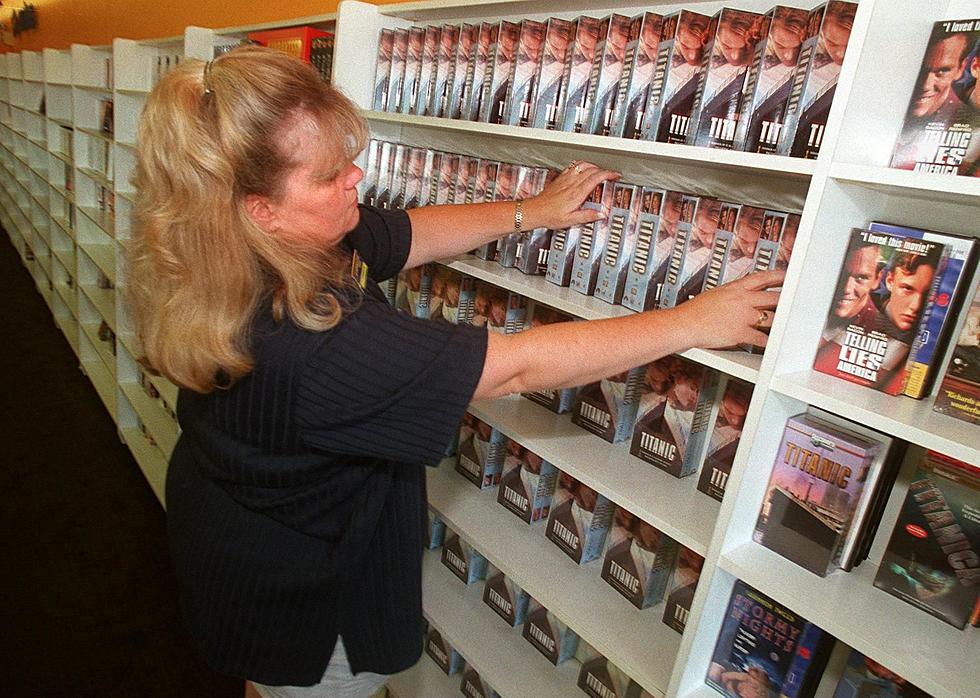
Blockbuster
Blockbuster

Pat Greenhouse/TheBoston Globe // Getty Images

Blockbuster

– Category: Video rental
– Year founded: 1985
– Year defunct: 2014
– Lifetime: 29 years

Founded in 1985, Blockbuster was once the entertainment giant of the world, with more than 65 million registered customers and more than 9,000 stores in the United States alone. But the rise of streaming services like Netflix began to eat away at its profits, and in 2014 Blockbuster filed for bankruptcy with more than $900 million in debt.

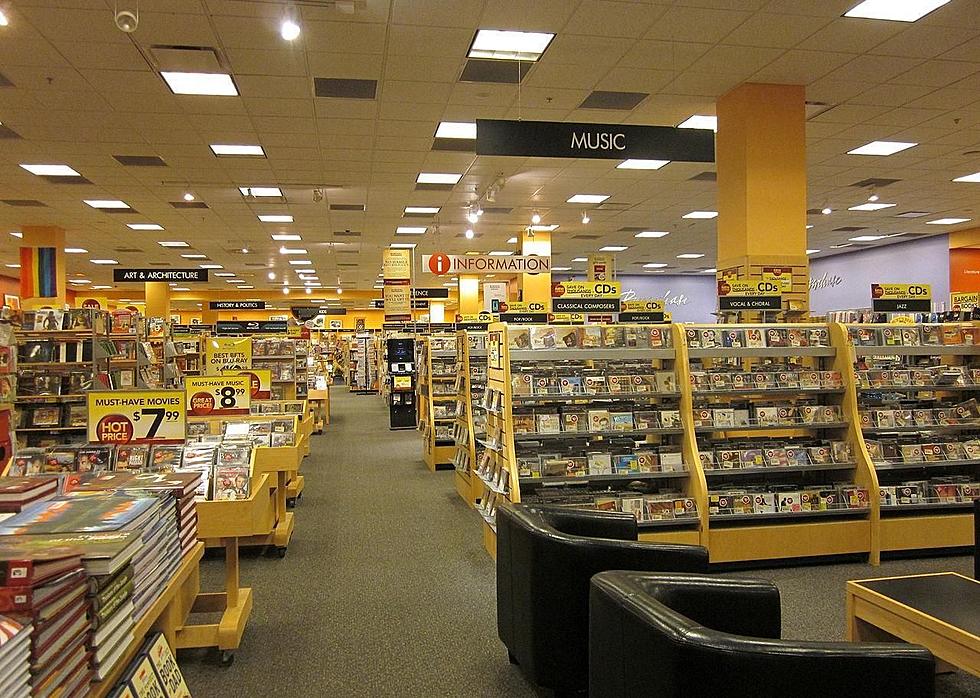
Borders
Borders

BrokenSphere // Wikimedia Commons

Borders

– Category: Bookstore
– Year founded: 1978
– Year defunct: 2011
– Lifetime: 33 years

Back in 2011, Borders—a book and music megastore—had to close its 400 stores around the country when the company was liquidated. Unfortunately, much of Borders’ stock was CDs and DVDs, at the critical tipping point when everyone was starting to go digital. Borders also failed to develop an online store, while other retailers like Barnes & Noble moved into online sales. The last year Borders actually made a profit was 2006.

Builders Square
Builders Square

Canva

Builders Square

– Category: Home improvement
– Year founded: 1970
– Year defunct: 1999
– Lifetime: 29 years

When Home Depot and Menards came into the picture, the sun was setting on Builders Square, one of the original large-scale home improvement stores. In 2011, the company filed for Chapter 11 and liquidated its remaining 117 stores. Builders Square had been struggling for a few years before that and had been sold off by Kmart in 1997. Still, the company failed to turn a profit and eventually shut its doors.

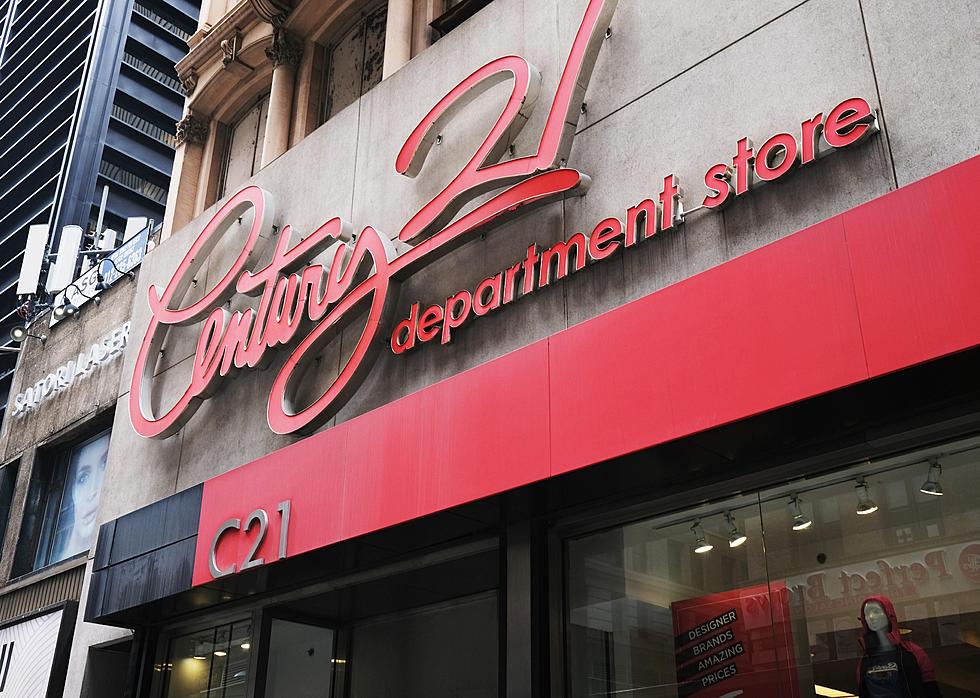
Century 21
Century 21

Spencer Platt // Getty Images

Century 21

– Category: Department store
– Year founded: 1961
– Year defunct: 2020
– Lifetime: 59 years

Discount department store Century 21 was primarily located in the New York City area, though there were a handful of locations in other Eastern Seaboard locales. In 2020, thanks to diminished foot traffic brought about by the COVID-19 pandemic and poor e-commerce sales, the beloved chain filed for Chapter 11 bankruptcy, devastating budget-bound fashionistas everywhere. Not all hope is lost, however, as the company announced in 2022 that it would be reopening its lower-Manhattan flagship store, albeit under a slightly different name—Century 21 NYC—meaning we might see the return of this designer giant after all.

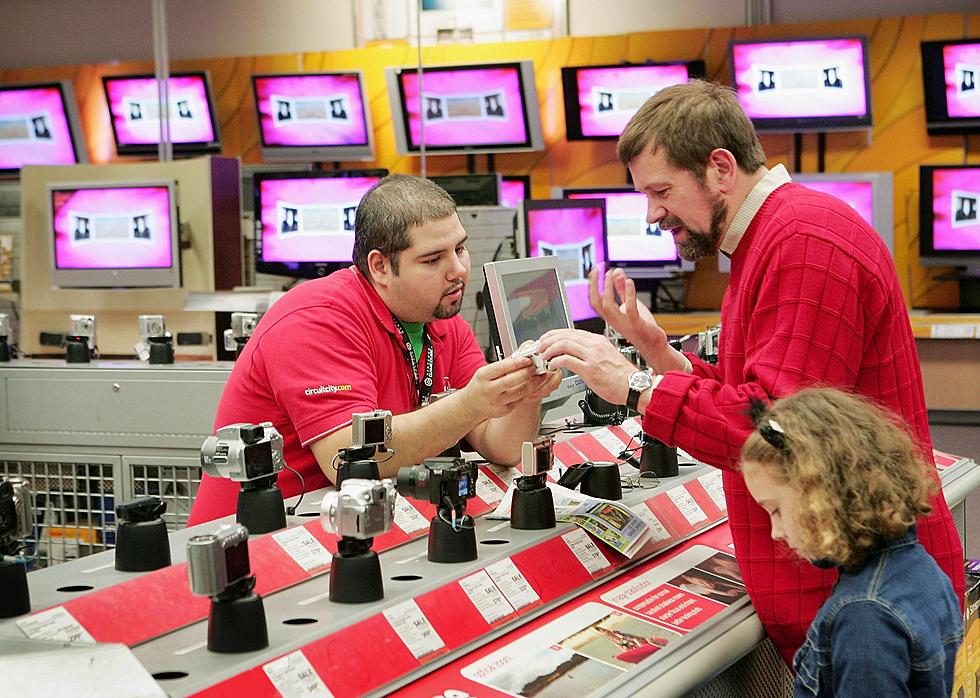
Circuit City
Circuit City

Scott Olson // Getty Images

Circuit City

– Category: Electronics
– Year founded: 1949
– Year defunct: 2009
– Lifetime: 60 years

Back in the 1970s and 1980s, Circuit City was on top of the electronics game. It helped to pioneer the big-box concept, making a one-stop shop for everything from televisions and stereos to refrigerators and automobiles, which spun off into CarMax. At its height, Circuit City had 1,520 stores across the United States and Canada. But in the 1990s, that began to change. CBS News analysis attributed this to stores becoming too big—and therefore too impersonal—and the fact that it stopped paying commissions to its sales team. When the financial crisis struck, Circuit City began closing stores and laying off its employees, eventually closing due to bankruptcy.

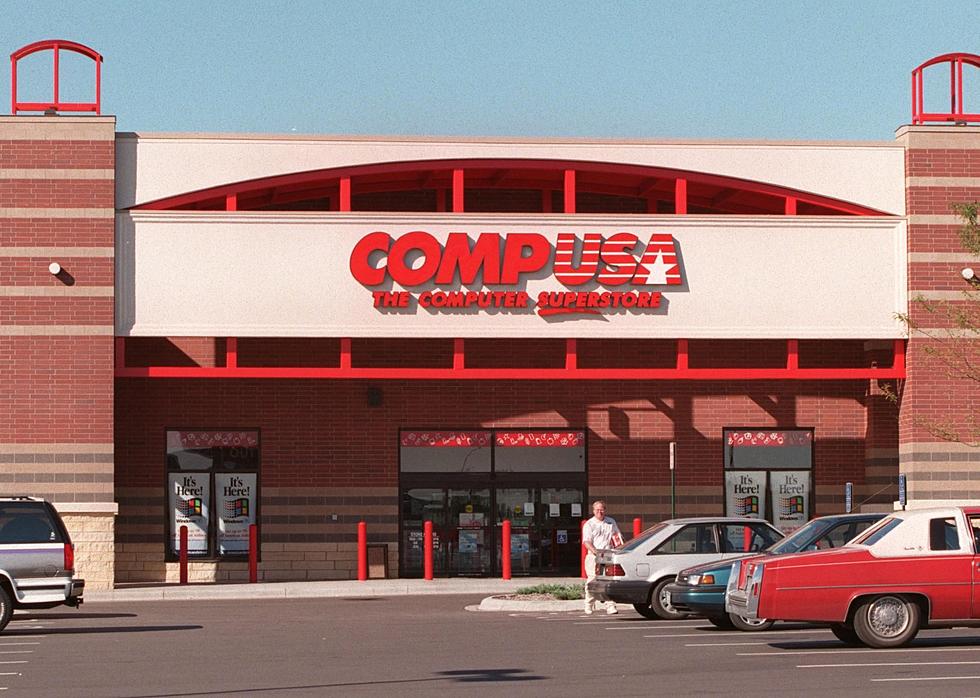
CompUSA
CompUSA

BRUCE BISPING/Star Tribune // Getty Images

CompUSA

– Category: Electronics
– Year founded: 1984
– Year defunct: 2012
– Lifetime: 28 years

CompUSA, a consumer electronics retailer, ran into trouble in 2007 after prices dropped on its most lucrative product, personal computers. With the rise of stores like Best Buy, CompUSA struggled to make ends meet. It eventually filed for bankruptcy and sold its 103 stores. That is until the company made a brief comeback with a revamped sales approach, which also failed. It officially went out of business in 2012.

Crazy Eddie
Crazy Eddie

SVEN NACKSTRAND/AFP // Getty Images

Crazy Eddie

– Category: Electronics
– Year founded: 1971
– Year defunct: 2012
– Lifetime: 41 years

Old-school New Yorkers will remember the tale of Crazy Eddie quite well. The commercial alone is legendary. What started as an electronics storefront in Brooklyn grew to become the largest commercial electronics store in the New York metropolitan area, in addition to 43 stores up and down the Eastern Seaboard. But mostly what New Yorkers remember is how it all came crashing down when Eddie Antar, the founder, was discovered to be skimming money and manipulating the stock market. He fled the country to Israel and was later extradited to the U.S., where he served seven years in prison.

Crown Books
Crown Books

Canva

Crown Books

– Category: Bookstore
– Year founded: 1977
– Year defunct: 2001
– Lifetime: 24 years

Crown Books, a book retailer known for its deep discounts, came onto the scene in Maryland in 1977, and subsequently began to expand all over the country. Over the years, due to the death of its parent company and family drama between the owners, Crown Books went through a series of bankruptcies and was completely out of business by 2001.

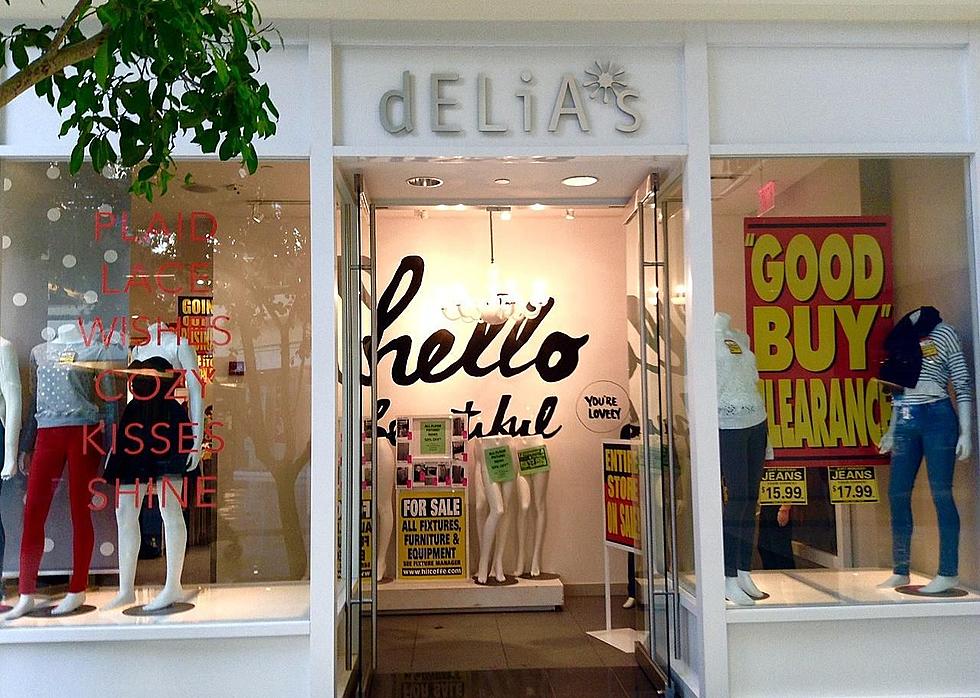
Delia's
Delia’s

Mike Mozart // Wikimedia Commons

Delia’s

– Category: Clothing
– Year founded: 1993
– Year defunct: 2014
– Lifetime: 21 years

Women in their 30s today still remember Delia’s, the teen fashion chain that had 95 stores in malls across America. But as fast fashion brands like H&M, Forever 21, and Zara became more popular, Delia’s began to struggle. The company filed for bankruptcy in 2014: It had not turned a profit since early 2011.

Dominick's
Dominick’s

Retaildesigner // Wikipedia

Dominick’s

– Category: Grocery store
– Year founded: 1918
– Year defunct: 2013
– Lifetime: 95 years

Chicagoans remember Dominick’s, a real-life example of the American Dream. Founded by Dominick DiMatteo more than 100 years ago, the grocery store chain became a beloved icon of the Chicago area. It was purchased by Safeway in 1998. At the time there were 116 stores and $2.6 billion in sales. Eventually, Dominick’s began to lose customers because it failed to adapt to shifts in the industry and lost customers because it didn’t see value in the prices of its goods. Customers started fleeing to competitors, and eventually operational costs were too high to maintain.

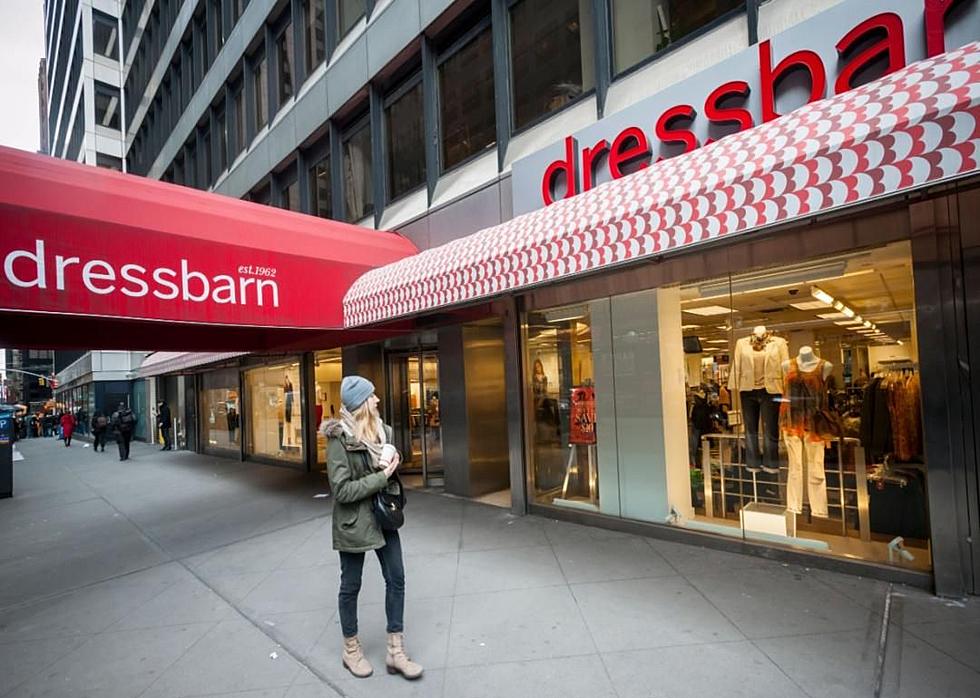
Dressbarn
Dressbarn

rblfmr // Shutterstock

Dressbarn

– Category: Clothing
– Year founded: 1962
– Year defunct: 2019
– Lifetime: 57 years

In 2019, all 650 Dressbarn stores were among the thousands of retail shops that closed. In Dressbarn’s case, the problems were declining customer numbers and sales volumes. Its parent company, Ascena Retail Group, owns Ann Taylor and Loft, which remain open.

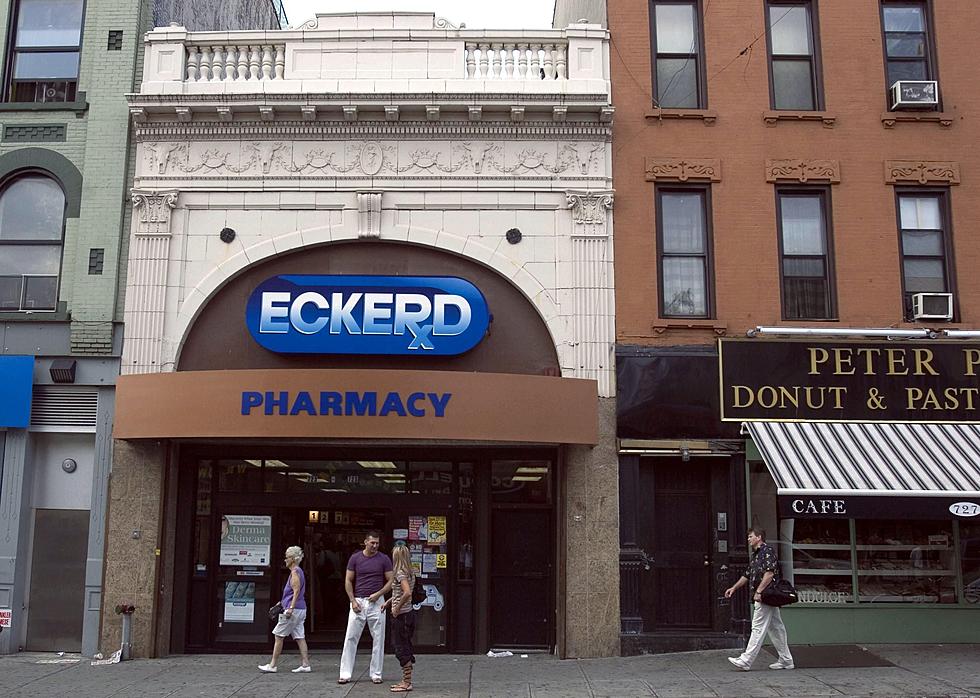
Eckerd's
Eckerd’s

Michael Brown // Getty Images

Eckerd’s

– Category: Drug store
– Year founded: 1898
– Year defunct: 2007
– Lifetime: 109 years

For more than 100 years, Eckerd’s was much more than a household name. It started in 1898 in Erie, Pennsylvania, when J. Milton Eckerd opened his first store. Over time, the empire had more than 2,000 stores in 20 states. In 2007, Rite-Aid Corporation acquired Eckerd’s and converted its stores to Rite-Aids in the quest to be the country’s largest drugstore chain, competing with Walgreens and CVS.

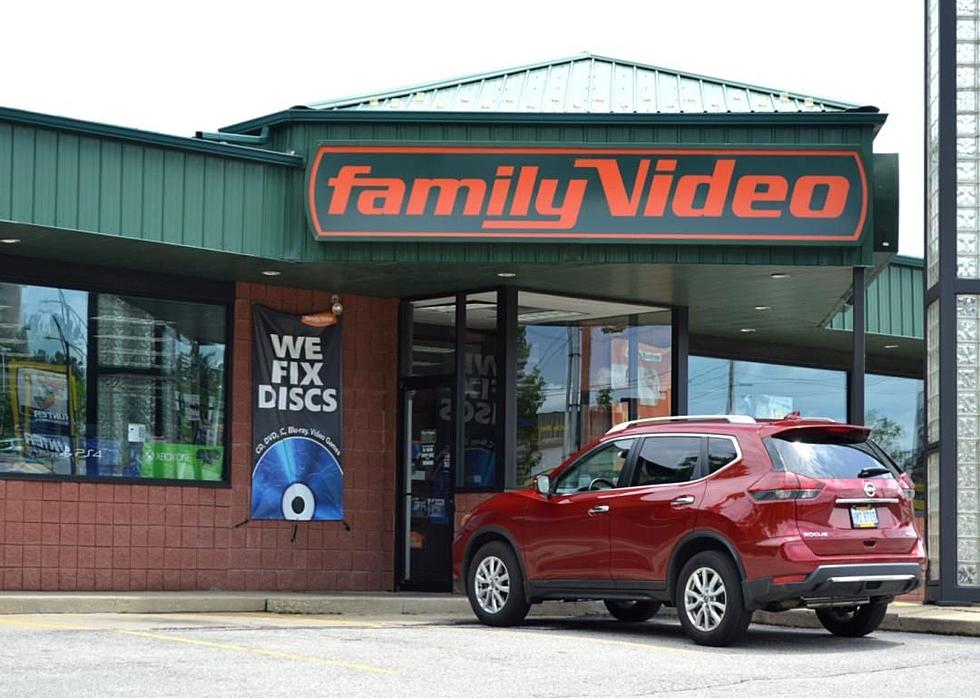
Family Video
Family Video

Eric Glenn // Shutterstock

Family Video

– Category: Video rental
– Year founded: 1978
– Year defunct: 2022
– Lifetime: 44 years

When Family Video finally went out of business in 2022, it was the last remaining brick-and-mortar media retail chain in the country. Located primarily in more rural towns and mid-sized cities, initially to avoid competition with Blockbuster, the company had managed to survive for so long because it owned all of the land and buildings its shops were built on and in. It also had worked hard to diversify its offerings, at one point even partnering with a pizza brand to give customers a one-stop-shop for their night in. Like many other businesses on our list, Family Video blamed the pandemic for its failure, citing the lack of foot traffic and fewer movie releases as major problems.

Frank's Nursery & Crafts
Frank’s Nursery & Crafts

Canva

Frank’s Nursery & Crafts

– Category: Home decor and craft stores
– Year founded: 1957
– Year defunct: 2004
– Lifetime: 47 years

Frank’s Nursery & Crafts, one of the country’s largest lawn and garden retailers, was founded in 1957 in Detroit. The store stocked its shelves with live plants, fertilizers, and garden tools. But, a weakening economy took its toll on the chain, which at the time of its closing operated 169 stores in 14 states. It filed for bankruptcy in 2004 after listing $141 million in debt and failing to find a loan to bail it out.

Friedman's
Friedman’s

Canva

Friedman’s

– Category: Jewelry
– Year founded: 1920
– Year defunct: 2008
– Lifetime: 88 years

The Oklahoma jewelry chain Friedman’s Jewelers was founded in 1920 and remained a family-run business until 1990. It had 20 stores across the state. But for a few years before closing, the company had experienced financial instability and allegations of wrongdoing, including a slew of civil lawsuits. Friedman’s filed for Chapter 11 bankruptcy protection in 2005.

Golfsmith
Golfsmith

Michael N. Todaro/Golfsmith // Getty Images

Golfsmith

– Category: Sports
– Year founded: 1967
– Year defunct: 2016
– Lifetime: 49 years

Once the largest golf retailer in the country, and the world, Golfsmith International filed for bankruptcy due to a multi-million dollar mountain of debt. When it filed under Chapter 11, the chain had 109 stores in the United States.

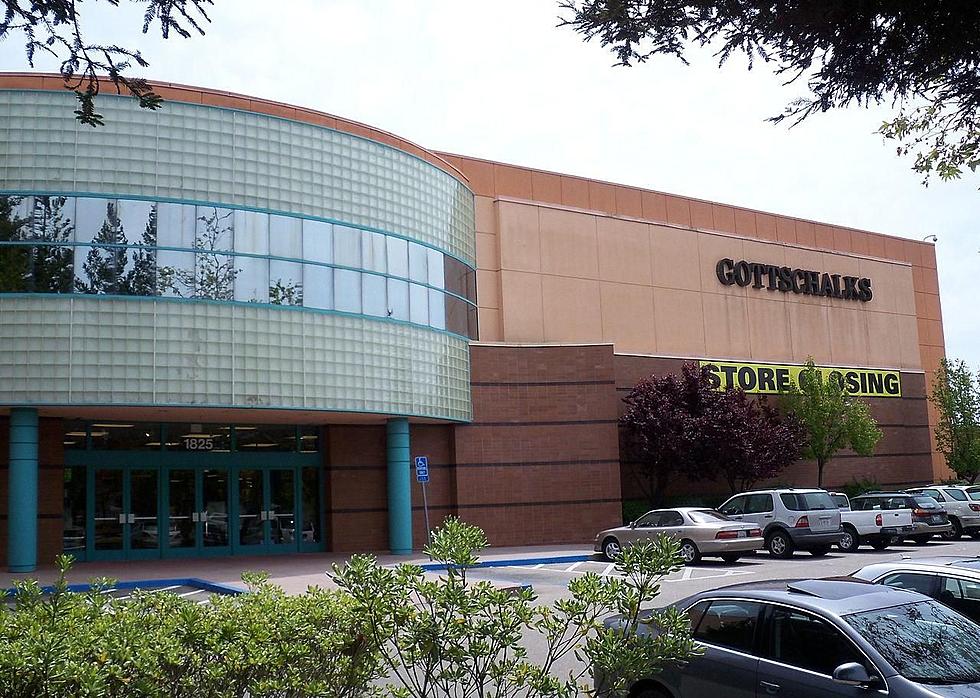
Gottschalks
Gottschalks

Mrwrite // Wikimedia Commons

Gottschalks

– Category: Department store
– Year founded: 1904
– Year defunct: 2009
– Lifetime: 105 years

One of the biggest department store chains in America, Gottschalks ended its 105-year legacy with a court-ordered liquidation. Founded by Emil Gottschalk, a German immigrant in 1904, Gottschalks had 58 department stores in the Western U.S. When it folded, the company had somewhere between $100 million and $500 million in debt and up to 25,000 creditors.

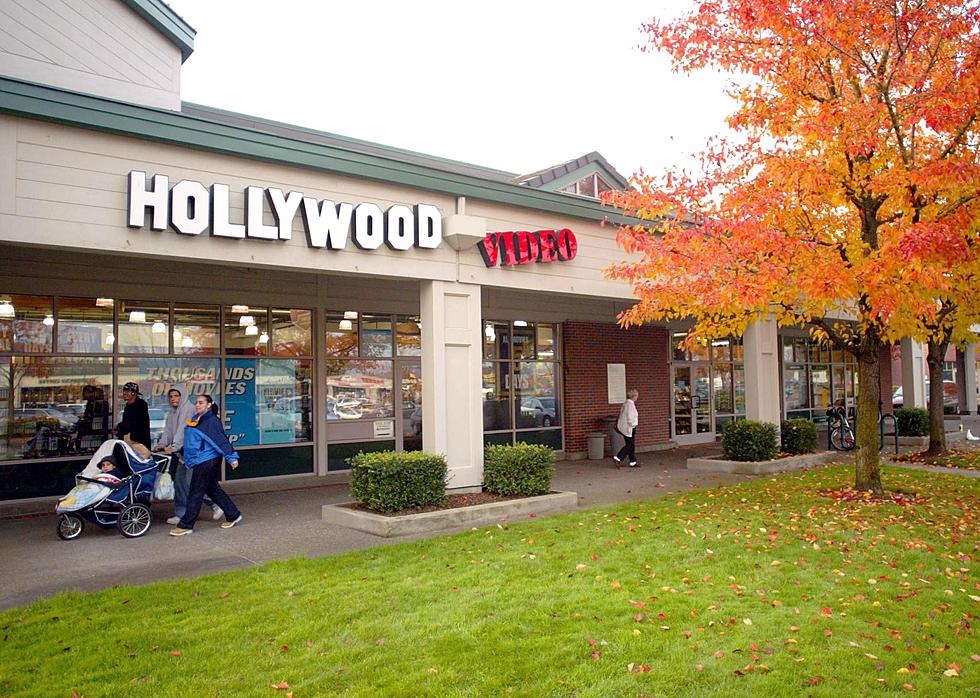
Hollywood Video
Hollywood Video

Craig Mitchelldyer // Getty Images
Hollywood Video

– Category: Video rental
– Year founded: 1988
– Year defunct: 2010
– Lifetime: 22 years
Hollywood Video was yet another Netflix casualty. Falling victim to losing customers thanks to the rise of DVDs through the mail and streaming sites, Hollywood Video closed its 1,900 remaining stores in 2010. The company reported debts between $500 million and $1 billion when it made the decision.
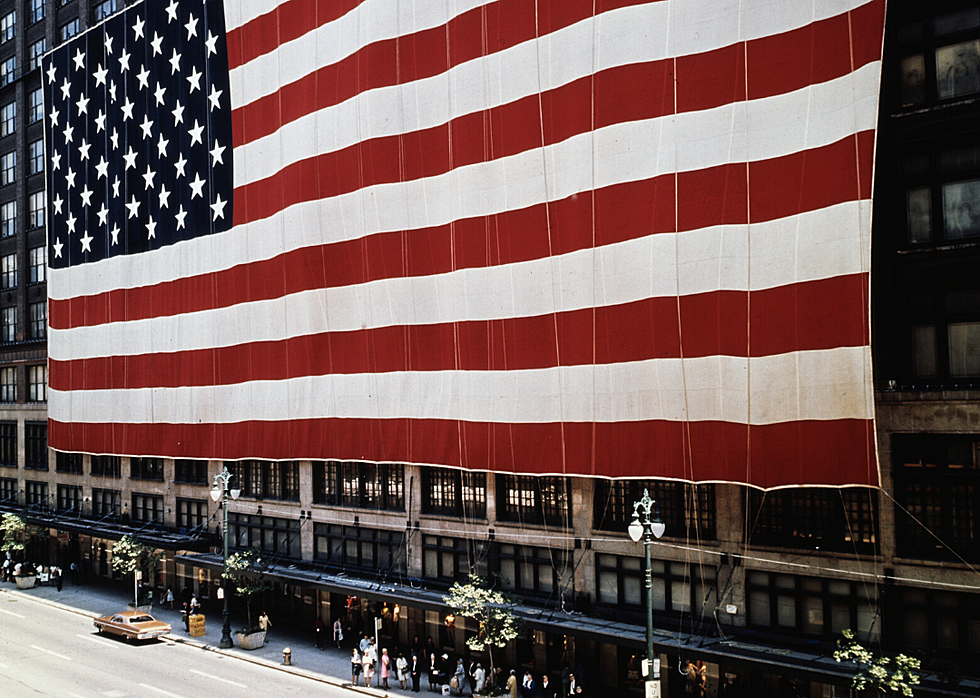
Hudson's
Hudson’s

Bettmann // Getty Images

Hudson’s

– Category: Department store
– Year founded: 1881
– Year defunct: 2001
– Lifetime: 120 years

The J.L. Hudson Company, aka Hudson’s, was a Detroit legend. Opened in 1911 by Joseph Lowthian Hudson, the iconic Detroit department store was an anchor for the then-thriving city. At the time, it was the second-biggest department store in America, second only to Macy’s in New York. Hudson’s was also the tallest department store in the world at one time. Over the years, however, Detroit’s population began to dwindle as the economy of the city declined. As the people faded away, so did Hudson’s, including stores in the suburbs and elsewhere around the nation. The flagship store closed in January 1983 after 102 years in business. The building stood empty until 1998 when it was demolished, ending an era for Detroit.

Just for Feet
Just for Feet

MarkBuckawicki // Wikimedia Commons

Just for Feet

– Category: Shoes
– Year founded: 1977
– Year defunct: 2004
– Lifetime: 27 years

Just For Feet was one of the original superstores in America. Founded by Harold Ruttenberg, the first store opened in 1988 in Birmingham, Alabama, offering a massive selection of athletic shoes at deeply-discounted prices. The brand began to expand like wildfire. Just for Feet was named America’s sixth-fastest-growing company by Fortune magazine in 1997. In 1999, Ruttenberg scored an enviable time slot for a Super Bowl ad, but the commercial that ran was so culturally and racially insensitive that it spiraled into a host of image issues for Just for Feet. The company was forced to file for Chapter 11, and its assets were sold in 2000.

Kaufmann's
Kaufmann’s

Philip Rink Jr. // Shutterstock

Kaufmann’s

– Category: Department store
– Year founded: 1871
– Year defunct: 2006
– Lifetime: 135 years

Kaufmann’s Department Store, an icon of historic Pittsburgh, was founded in 1871 by Jason and Isaac Kaufmann, two brothers who had emigrated from Germany. The business grew quickly and acquired several adjacent addresses. Over the years, the building received many interior touches and updates, many of which are icons themselves, like the Kaufmann clock and the grand staircase. This building remained the flagship, as other branches popped up in Pennsylvania, Ohio, and New York. In 2006, the brand and regional branches were purchased by and converted into Macy’s.

KB Toys
KB Toys

Jeff Gritchen/Digital First Media/Orange County Register // Getty Images

KB Toys

– Category: Toys
– Year founded: 1922
– Year defunct: 2009
– Lifetime: 87 years

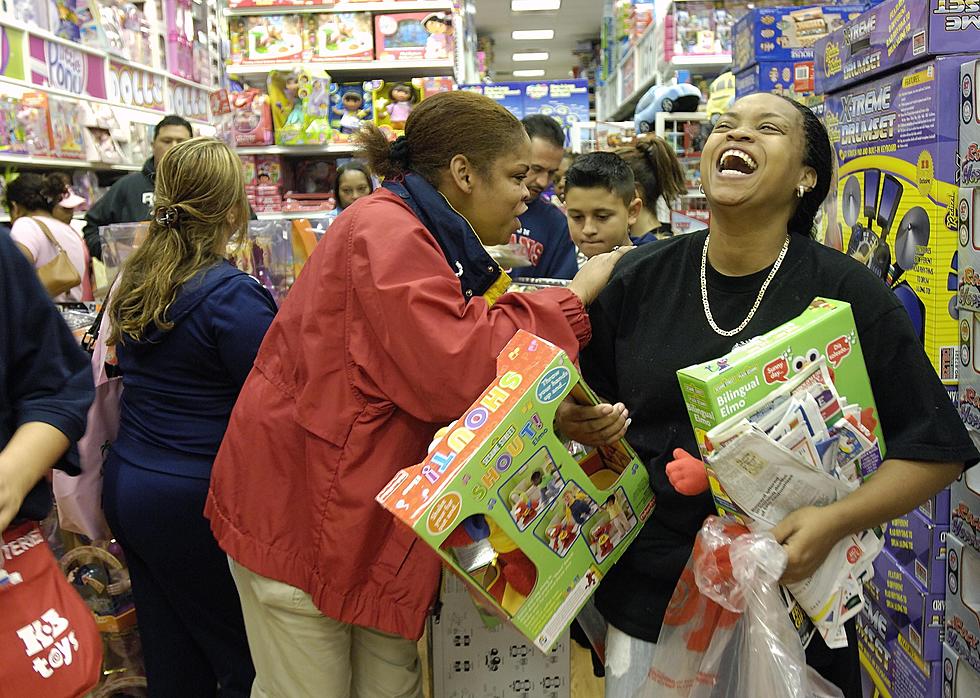
From 1922 to 2009, KB Toys was America’s reigning toy store, with more than 1,300 stores across the country. Eventually, however, the company could not keep up with competitor Toys “R” Us, which acquired KB Toys’ website, trademarks, and intellectual property rights. There was talk of a KB Toys revival after Toys “R” Us went out of business, but that has yet to come to fruition.

Kids 'R' Us
Kids ‘R’ Us

Sheila Fitzgerald // Shutterstock

Kids ‘R’ Us

– Category: Clothing
– Year founded: 1983
– Year defunct: 2004
– Lifetime: 21 years

In 1983, Kids “R” Us opened as an offshoot of Toys “R” Us. The company sold children’s clothing at discount prices. The company was open for 20 years, with 146 stores. It closed in 2004 following prolonged disappointing sales.

Linens 'n Things
Linens ‘n Things

Ildar Sagdejev // Wikimedia Commons

Linens ‘n Things

– Category: Housewares and accessories
– Year founded: 1975
– Year defunct: 2008
– Lifetime: 33 years

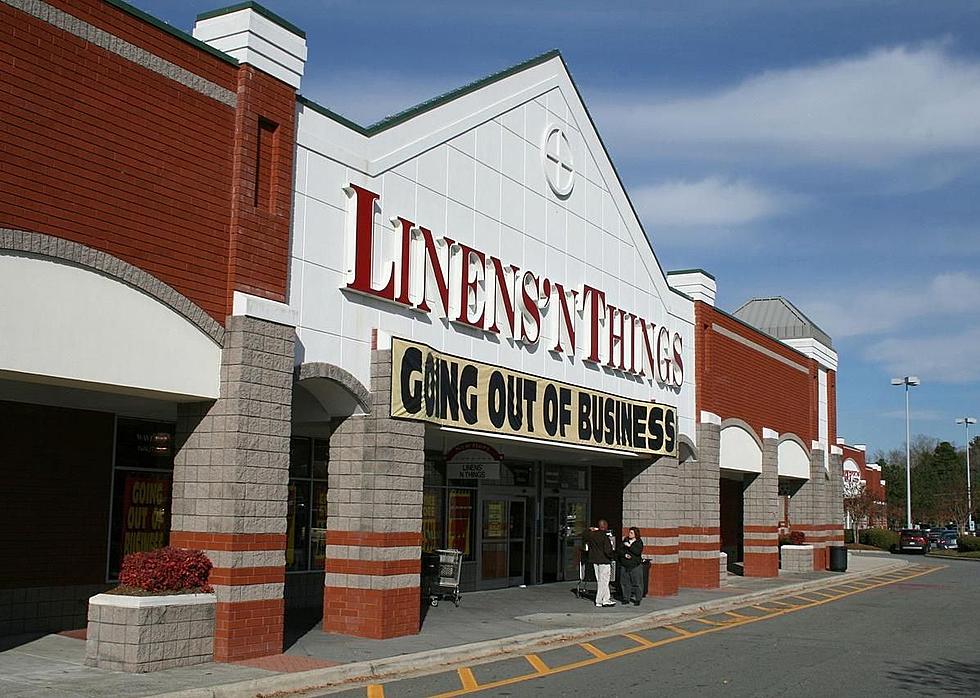
Linens ‘n Things was a popular niche retailer that sold household items. At its height, it had 589 stores all over the country. Its demise was caused by a variety of things, including a decline in housing sales, higher prices for goods made in China, and the burden of paying $650 million in debt. By 2008, the company had filed a reorganization plan but was forced to have a liquidation sale.

Marshall Field's
Marshall Field’s

MARLIN LEVISON/Star Tribune // Getty Images

Marshall Field’s

– Category: Department store
– Year founded: 1852
– Year defunct: 2006
– Lifetime: 154 years

Marshall Field’s, whose flagship was in Chicago, was an icon for the Windy City. Founded in 1852, the original store on State Street was once the largest in the world. The brand expanded and added more department stores all over the country. Eventually, through a series of sales to various other retailers, the then-parent company of Marshall Field’s, the May Company, was acquired by Federated Department Stores, Inc., the operator of Macy’s, and Marshall Field’s became part of that empire.

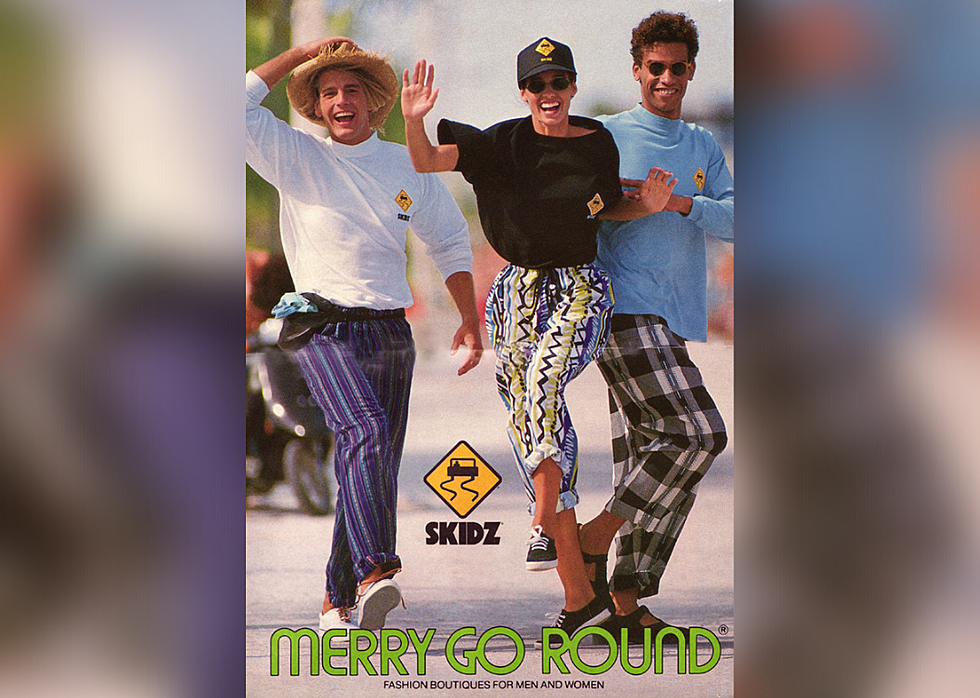
Merry-Go-Round
Merry-Go-Round

SKIDZ // Wikimedia Commons

Merry-Go-Round

– Category: Clothing
– Year founded: 1968
– Year defunct: 1996
– Lifetime: 28 years

Merry-Go-Round, the flagship brand of Merry-Go-Round Enterprises, was one of the more popular fashion brands in the 1980s and 1990s. In fact, the company purchased the Chess King chain in 1993, which doubled its size. But after being one of the leaders in fashion for a few decades, a few false moves started to put it on a decline—namely, the company bet on styles that just weren’t popular with teens at the time. Eventually, it was forced to file for Chapter 11 and began to liquidate assets in 1996.

Mervyn's
Mervyn’s

Jerry Cleveland/The Denver Post // Getty Images

Mervyn’s

– Category: Department store
– Year founded: 1949
– Year defunct: 2009
– Lifetime: 60 years

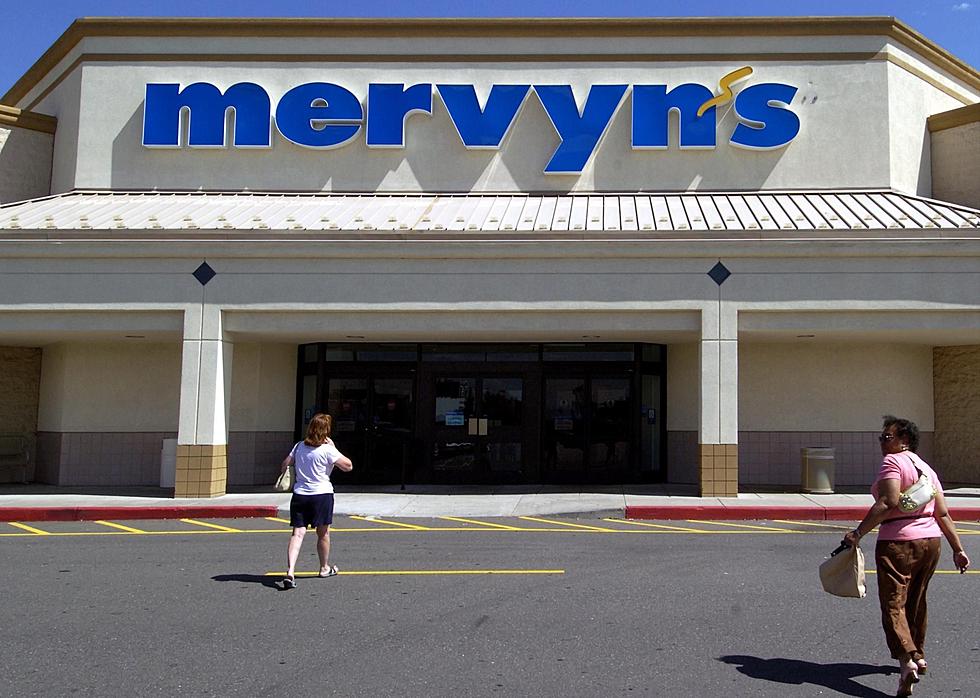
What started as a single department store in San Lorenzo, California, erupted into a West Coast empire. Selling work pants and school clothes, the department store was frequented by middle-class families. At its peak, Mervyn’s had 300 stores in 16 states. Eventually, owner Mervin Morris sold the name to Dayton Hudson, which is where the downfall began. The new owner couldn’t keep up with changing economic times and declared bankruptcy in 2008.

Modell's Sporting Goods
Modell’s Sporting Goods

Dorann Weber / Contributor // Getty Images

Modell’s Sporting Goods

– Category: Camping, sports, or athletic stores
– Year founded: 1889
– Year defunct: 2020
– Lifetime: 131 years

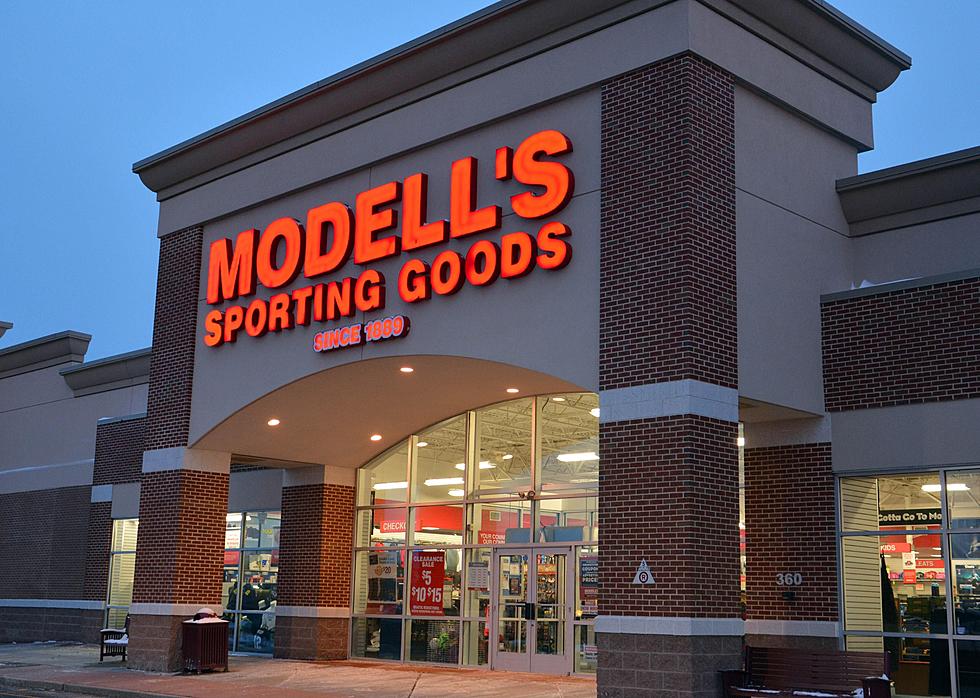
Diminished sports apparel sales and millions of dollars of debt are what finally brought Modell’s Sporting Goods to its knees after a 131-year run. The Manhattan-founded retail chain had 141 stores and some 3,600 employees when it closed its doors in 2020. But folks who can’t imagine buying jerseys and cleats without “going to Mo’s” can still use the store’s website to get everything they need.

Noodle Kidoodle
Noodle Kidoodle

Canva

Noodle Kidoodle

– Category: Toys
– Year founded: 1931
– Year defunct: 2000
– Lifetime: 69 years

Noodle Kidoodle was a chain of toy stores that sold educational toys for kids. Its slogan was “Kids learn best when they’re having fun!” But in 2000, a competitor, Zany Brainy, which was owned by Toys “R” Us, acquired Noodle Kidoodle, which ultimately led to Zany Brainy’s bankruptcy and the end of both chains.

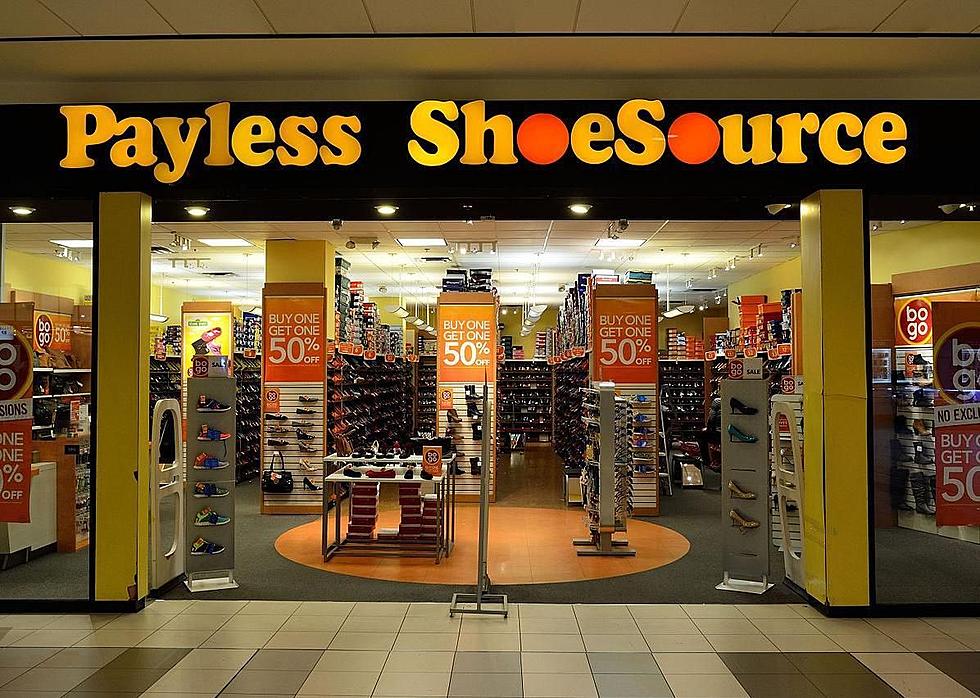
Payless ShoeSource
Payless ShoeSource

Raysonho @ Open Grid Scheduler / Grid Engine // Wikimedia Commons

Payless ShoeSource

– Category: Shoes
– Year founded: 1956
– Year defunct: 2019
– Lifetime: 63 years

Payless ShoeSource was one of the top retailers of discount shoes. It had more than 3,500 stores in 40 different countries. The company filed for Chapter 11 in 2017, which resulted in the shuttering of 673 stores. In 2019, the company announced that it would close its 2,100 stores in the United States, as well as shut down its e-commerce site.

Pier 1 Imports
Pier 1 Imports

Bruce Bennett // Getty Images

Pier 1 Imports

– Category: Home decor and craft stores
– Year founded: 1962
– Year defunct: 2020
– Lifetime: 58 years

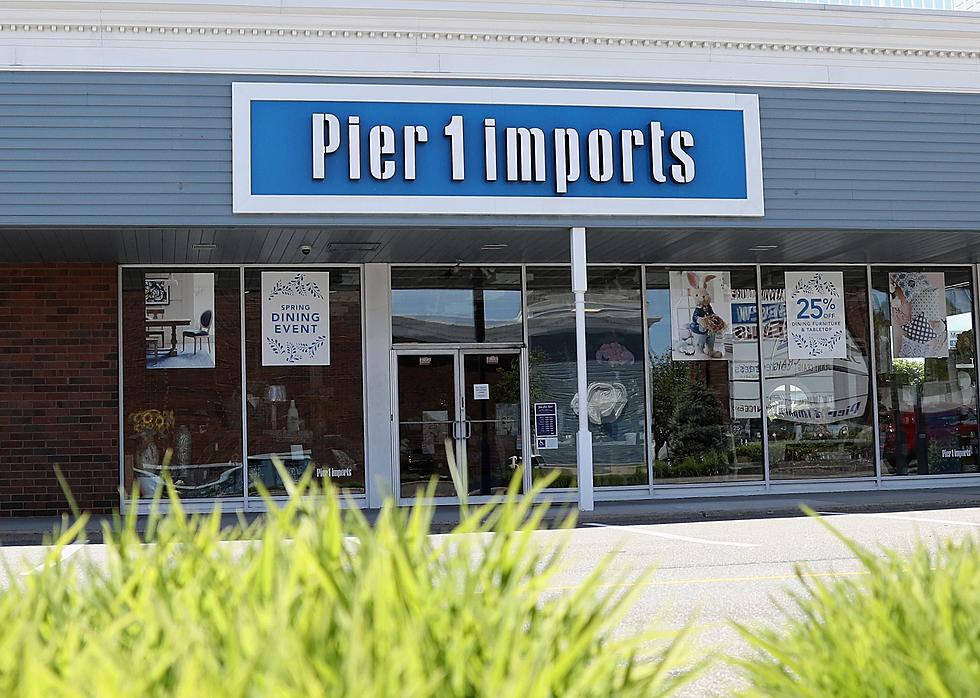
First opened in San Mateo, California, to sell bean bag chairs, incense, and love beads to hippies, Pier 1 Imports was known for stocking some of the most unique home goods on the market. In 2020, the company filed for Chapter 11 bankruptcy, citing the COVID-19 pandemic and its inability to find a buyer as reasons for its failure. The website is still functional, though, for folks in the market for a good throw pillow or off-the-wall china pattern.

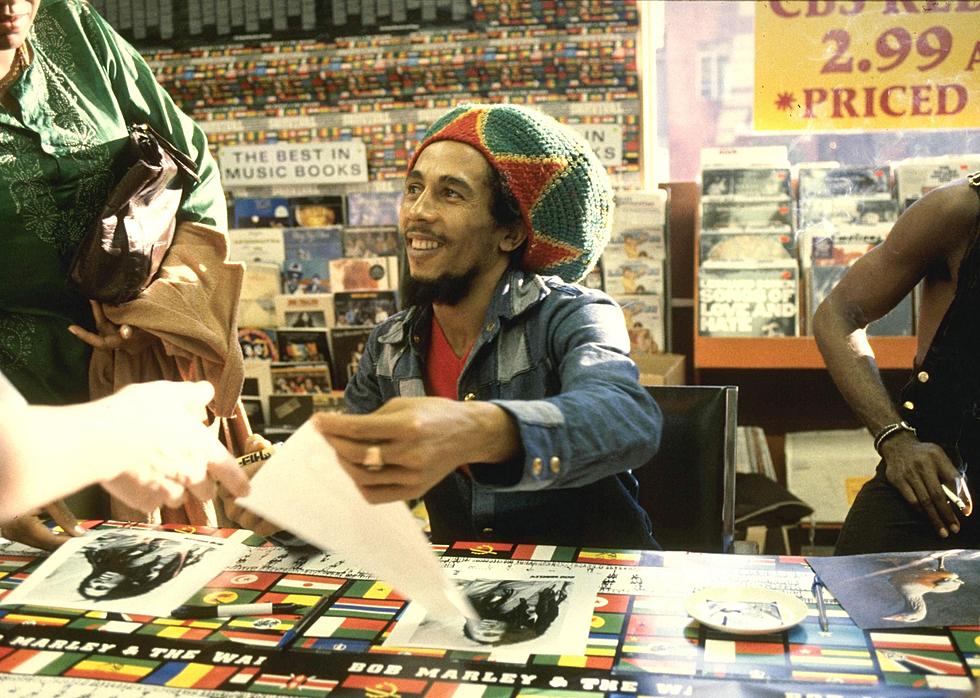
Sam Goody
Sam Goody

Michael Ochs Archives // Getty Images

Sam Goody

– Category: Music
– Year founded: 1951
– Year defunct: 2006
– Lifetime: 55 years

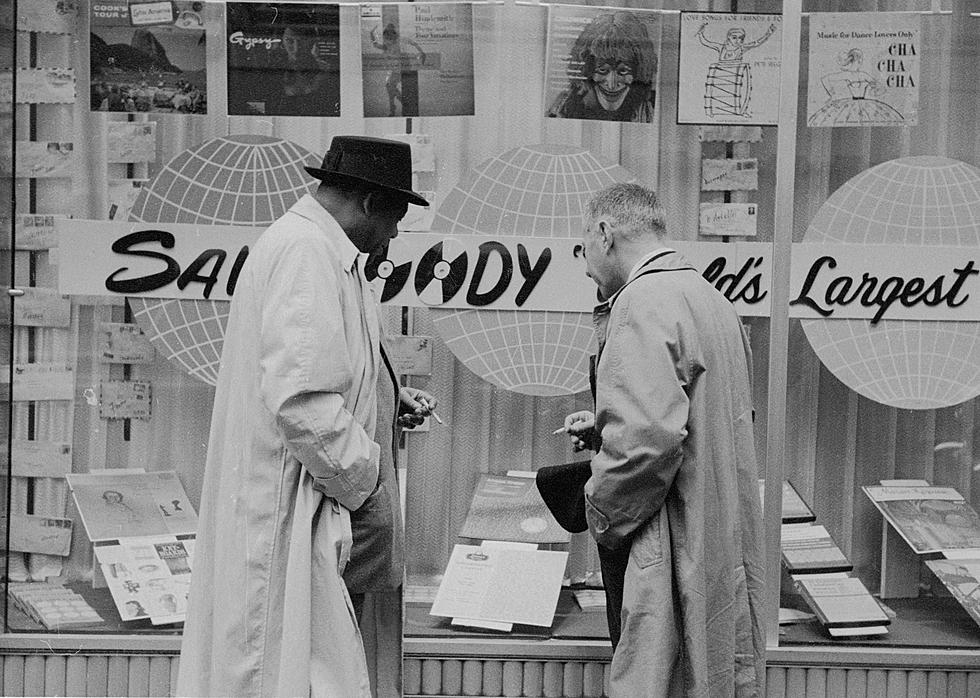
Everyone’s favorite record store started in Manhattan in the 1940s. Later, this shop became the flagship store in a booming empire of record and CD stores across the country. In fact, the flagship location accounted for 7% of the nation’s sales of 33 ⅓ rpm records in 1955. Eventually, owner Sam Goody sold the business to the American Can Company but stayed on as a consultant for a few years. The company was sold several more times. Ultimately, all of the Sam Goody locations were transformed into FYE entertainment retail stores.

Sharper Image
Sharper Image

David Jennings/Digital First Media/Boulder Daily Camera // Getty Images

Sharper Image

– Category: Electronics
– Year founded: 1977
– Year defunct: 2008
– Lifetime: 31 years

What happened to the Sharper Image? In a word: Apple. But it’s a little more complicated than that. First, it was Best Buy and Amazon, which started stocking the same high-end, cutting-edge products that previously could only be found in stores like Sharper Image. But once Apple became the new cool kid on the block for techies, Sharper Image’s days were numbered. Investors bought the company, but in 2008, it declared bankruptcy.

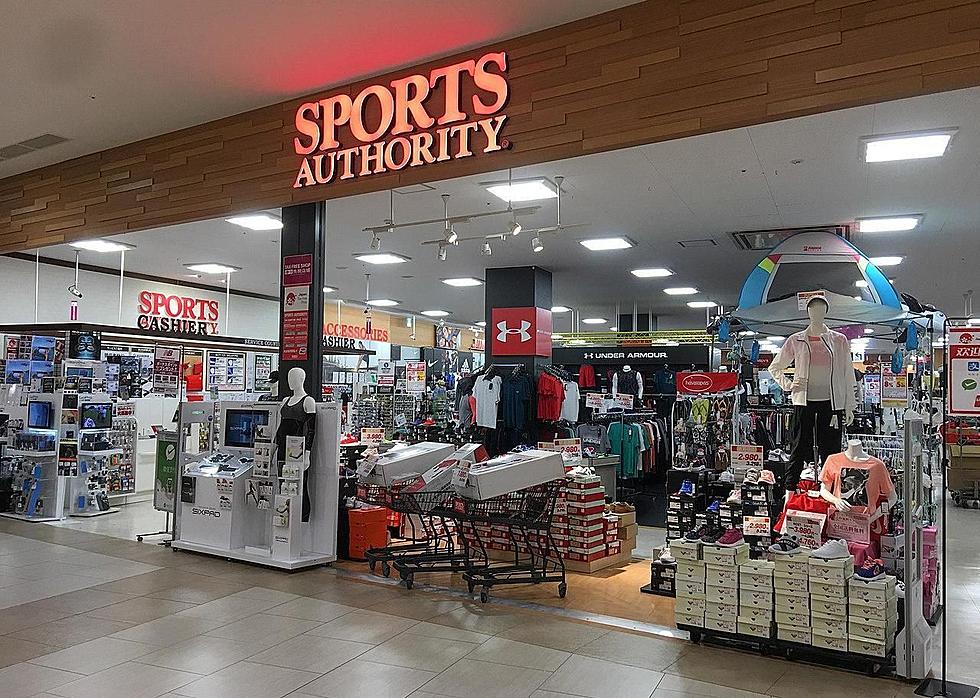
Sports Authority
Sports Authority

Daniel Ramirez // Wikimedia Commons

Sports Authority

– Category: Sports
– Year founded: 1928
– Year defunct: 2016
– Lifetime: 88 years

Sports Authority, one of the largest sports retailers in the country, was known for its deep discounts. In 2006, the peak year for the retailer, the company was purchased by a hedge fund. But mounting debt forced the company to call it quits in 2016 after filing for bankruptcy. The company could not make a deal with its creditors and lenders and was forced to sell all its assets.

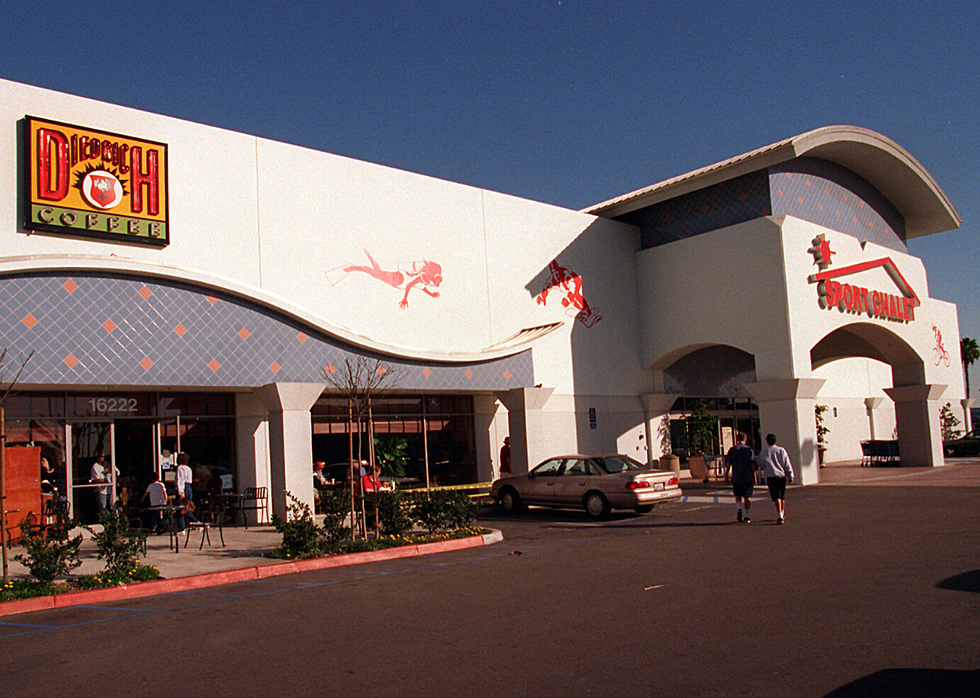
Sports Chalet
Sports Chalet

Mark Boster/Los Angeles Times // Getty Images

Sports Chalet

– Category: Sports
– Year founded: 1959
– Year defunct: 2016
– Lifetime: 57 years

Yet another sports retail chain to bite the dust in 2016, Sport Chalet shuttered 47 stores in California, Arizona, and Nevada. The chain started in 1959 with one tennis and ski shop. Over time, it developed into one of the larger regional chains that offered a wide range of services, even scuba training and certification. In 2014, the chain had more than $50 million in debt. It was bought by Vestis Retail Group. Two years later, the chain met its demise.

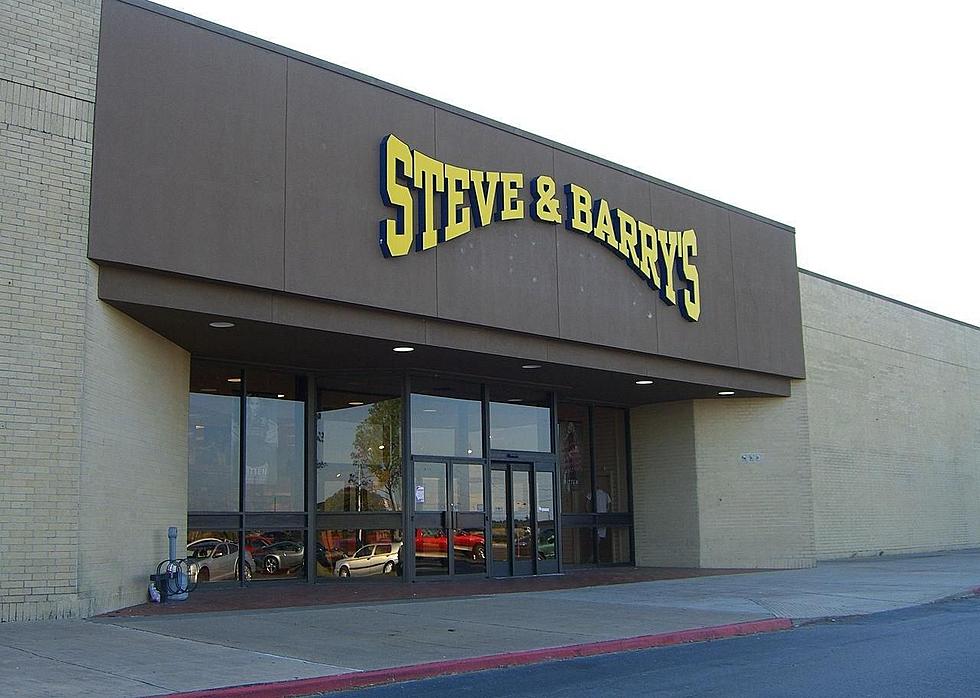
Steve & Barry's
Steve & Barry’s

Nick22aku // Wikimedia Commons

Steve & Barry’s

– Category: Casual clothing
– Year founded: 1985
– Year defunct: 2009
– Lifetime: 24 years

In 2008, Steve & Barry’s was forced to shut down. The company was known for its substantially low prices. After filing for bankruptcy and being sold to investment firms for $168 million, the new owners also filed for bankruptcy, and a plan was put in motion to liquidate its 173 stores.

The Limited
The Limited

Canva

The Limited

– Category: Clothing
– Year founded: 1957
– Year defunct: 2017
– Lifetime: 60 years

When it came to women’s casual clothing and workwear, The Limited was one of those at the top, with more than 750 stores all over the U.S. The Limited also acquired Victoria’s Secret and Abercrombie & Fitch and launched the wildly popular teen store, Limited Too. But with the rise of e-commerce sites and fast fashion brands, stores like The Limited struggled. Eventually, it had to close its remaining 250 stores, lay off its workers, and file for bankruptcy.

Thom McAn
Thom McAn

Angus B. McVicar/Wisconsin Historical Society // Getty Images

Thom McAn

– Category: Shoes
– Year founded: 1922
– Year defunct: 1996
– Lifetime: 74 years

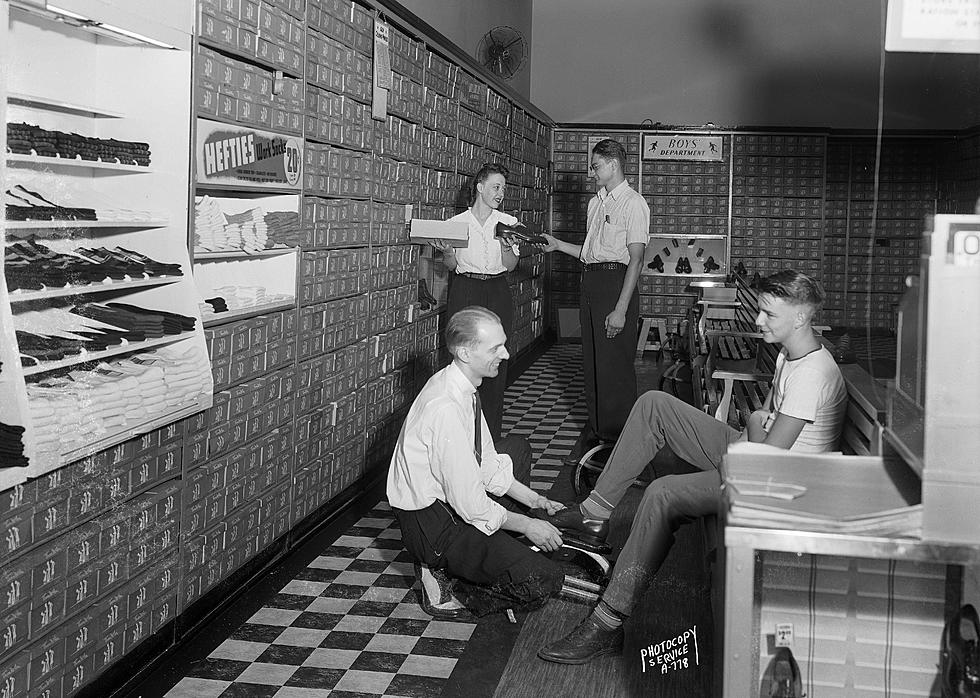
It was once “America’s shoe store.” For 74 years, Thom McAn was a favorite for reasonably priced footwear. In fact, when it was founded in 1922, it was designed as a place to sell nice shoes for $3. But with the rise of shopping malls and trendier stores, Thom McAn’s numbers dwindled. A restructuring plan saw the brand change the name of its remaining stores to Footaction while the rest folded.

Tower Records
Tower Records

Chris Walter/Wire Image // Getty Images

Tower Records

– Category: Music
– Year founded: 1960
– Year defunct: 2006
– Lifetime: 46 years

Many Americans’ youth was defined by Tower Records. The legendary music store was a trailblazer in the industry, with stores all over the country, each curated by the on-site staff. Their collections were highly localized and packed with passion. But with the rise of online music and discount chains like Best Buy, Tower’s prices were undercut and sales began to suffer. The chain lost money 13 quarters in a row. In 2006, it declared bankruptcy for the second time.

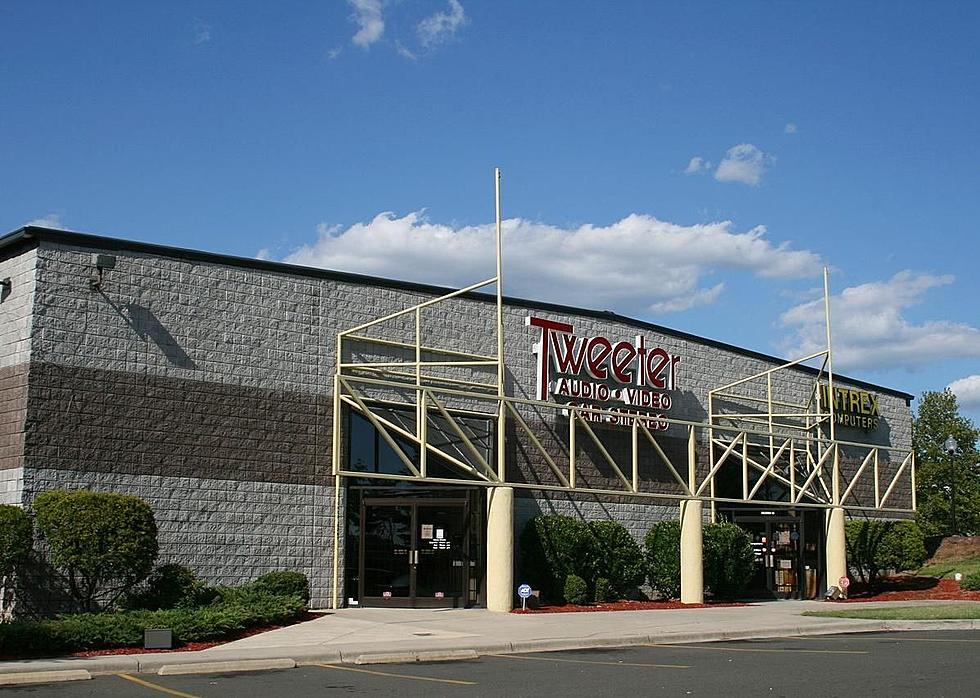
Tweeter
Tweeter

Ildar Sagdejev // Wikimedia Commons

Tweeter

– Category: Electronics
– Year founded: 1972
– Year defunct: 2008
– Lifetime: 36 years

Tweeter was a consumer electronics retailer founded in 1972 and known for its TVs, radios, and home theater systems. It was also the company that held the naming rights to the concert venue the Tweeter Center, which is now the Xfinity Center outside Boston. With the presence of electronics and bargain retailers like Best Buy and Walmart, Tweeter’s profits began to suffer. By June 2007, it filed for bankruptcy, and by 2008, all of its stores were closed.

Virgin Megastores
Virgin Megastores

KMazur/WireImage for Epic Records // Getty Images

Virgin Megastores

– Category: Entertainment
– Year founded: 1992
– Year defunct: 2007
– Lifetime: 15 years

The first Virgin Megastore opened in the 1970s in London. It was because of Virgin Megastore that Richard Branson became a household name. Come 2005, it was reported that the music retailer had lost almost $340 million in the previous two years, and was only staying afloat due to loans. Branson sold the chain in 2007. In 2009, the final Megastores in operation, in New York and San Francisco, folded.

Waldenbooks
Waldenbooks

Tim Boyle // Getty Images

Waldenbooks

– Category: Bookstore
– Year founded: 1933
– Year defunct: 2011
– Lifetime: 78 years

Waldenbooks originally opened in 1933 as a lending library, to boost morale following the Great Depression. Founders Lawrence W. Holt and Melvin T. Kafka would lend books out for 3 cents a day, which would provide people with cheap entertainment without having to commit to the cost of purchasing. In the 1950s, when paperbacks came out, it was so cheap to actually sell books that the pair converted their rental libraries into retail outlets. However, sales started to stagnate and decline with the rise of other book retailers. Borders purchased the company, but eventually, Waldenbooks had to close as a way for Borders to save itself.

Warner Bros. Studio Store

Evan Agostini/Liaison // Getty Images

Warner Bros. Studio Store

– Category: Film and comic merchandise
– Year founded: 1991
– Year defunct: 2005
– Lifetime: 14 years

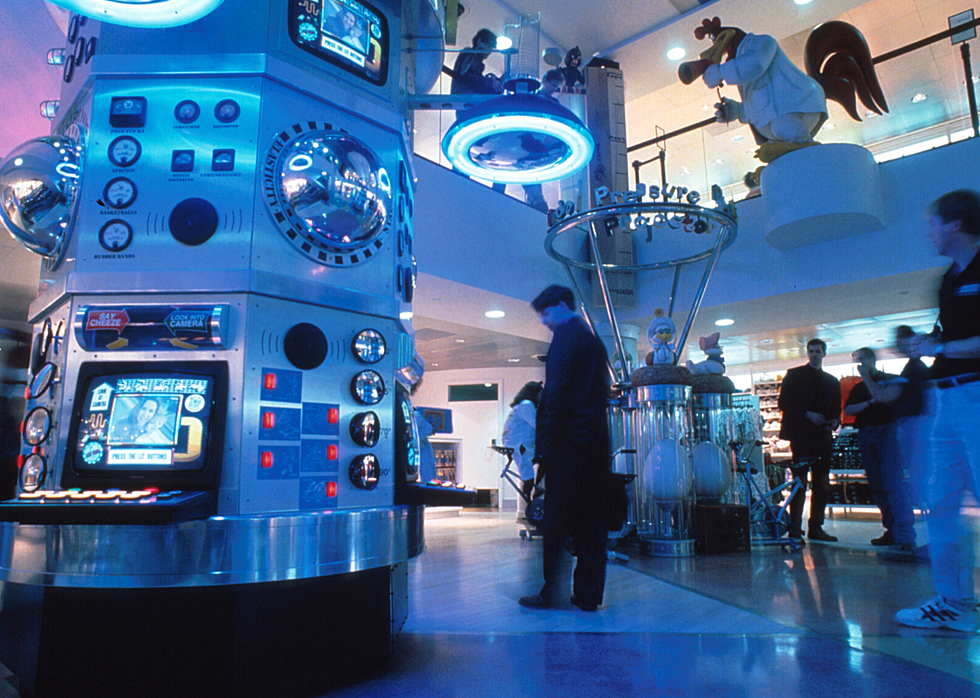
In 1991, Warner Bros., the popular film studio, opened a series of retail stores selling all manner of merchandise relating to its movies, including Looney Tunes and DC Comics items. By 1997, there were more than 100 locations, including a three-story building at 1 Times Square. A few years later, AOL Time merged with Warner, and as part of the agreement, the chain was put up for sale and stores started closing. On Sept. 11, 2001, the Warner Brothers Studio Store at the World Trade Center was destroyed, along with the Twin Towers. Other stores started closing rapidly. The last one shuttered on Dec. 31, 2001.

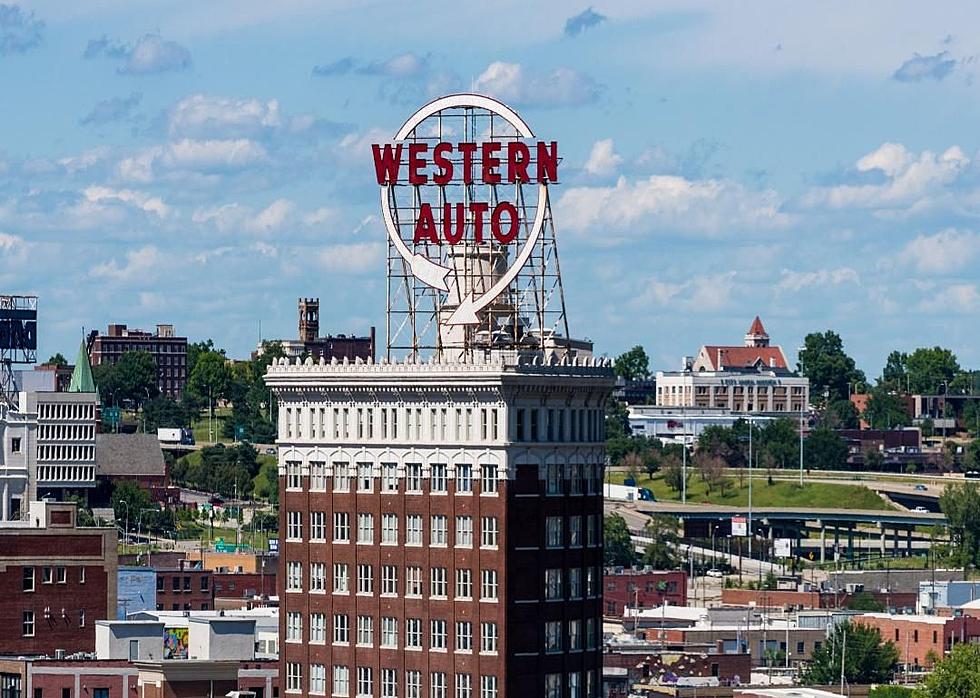
Western Auto
Western Auto

Wirestock Creators // Shutterstock

Western Auto

– Category: Automotive
– Year founded: 1909
– Year defunct: 2003
– Lifetime: 94 years

Western Auto, officially Western Auto Supply Company, was a chain selling car parts and accessories. Later it would sell firearms, bicycles, and more. It started in 1909 as a mail-order business in Kansas City, founded by George Pepperdine, who also founded Pepperdine University in California. Ultimately, there were about 1,200 company-owned stores across the United States, as well as more than 4,000 private franchises. Later, Western Auto went through a series of sales to other companies, one of them being Sears. By 2006, the brand was officially out of business.

Wickes Furniture
Wickes Furniture

Canva

Wickes Furniture

– Category: Furniture store
– Year founded: 1971
– Year defunct: 2008
– Lifetime: 37 years

Wickes Furniture was once the go-to spot for decorating the entire home. Founded in 1971, with its first showroom in Minnesota, the company eventually grew to operate 43 stores in the Western and Midwestern U.S. But come 2008, furniture companies were hit hard by the housing crisis. A slower housing market and the economic downturn meant people weren’t buying as many homes—and certainly weren’t refurnishing them. In February 2008, a group of liquidators bought Wickes’ inventory, and more than $75 million worth of furniture was sold off.

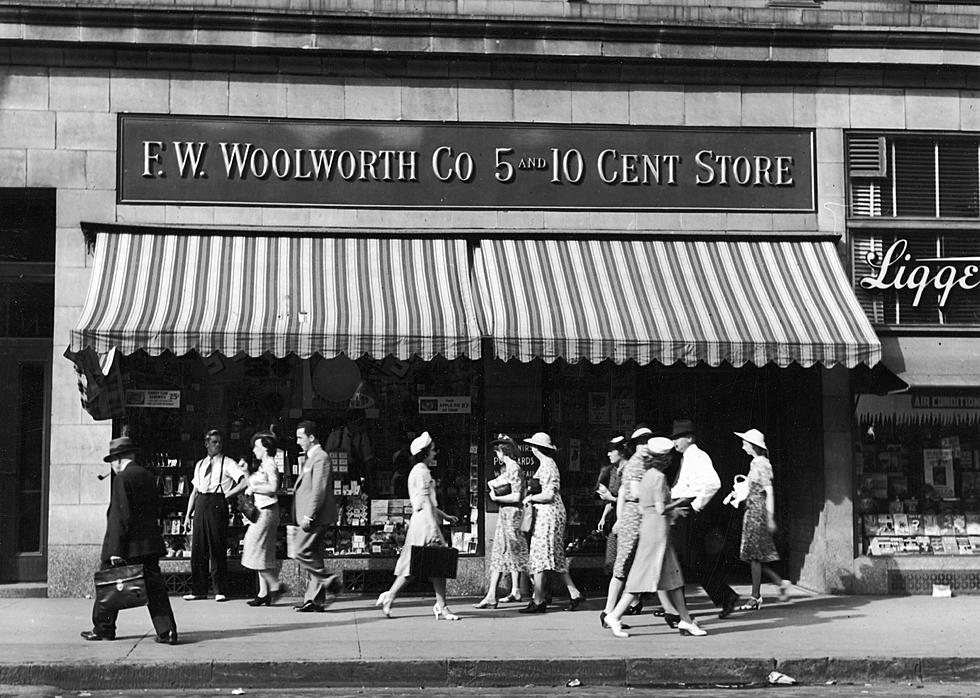
Woolworth's
Woolworth’s

Martin Forstenzer // Getty Images

Woolworth’s

– Category: Department store
– Year founded: 1879
– Year defunct: 1997
– Lifetime: 118 years

Remember the original five-and-dime stores? Well, they basically started with Woolworth’s. Selling factory-made goods at remarkably low rates, Woolworth’s was the first brand to expand internationally, with more than 5,000 stores around the world. In the mid-1920s, a Woolworth’s store opened, on average, every 17 days. After World War II, growth slowed due to the rise of competitors. As quickly as Woolworth’s accelerated, by the 1970s stores started shutting down in batches. Eventually, competition from discount retailers forced Woolworth’s to close its variety stores in 1997.

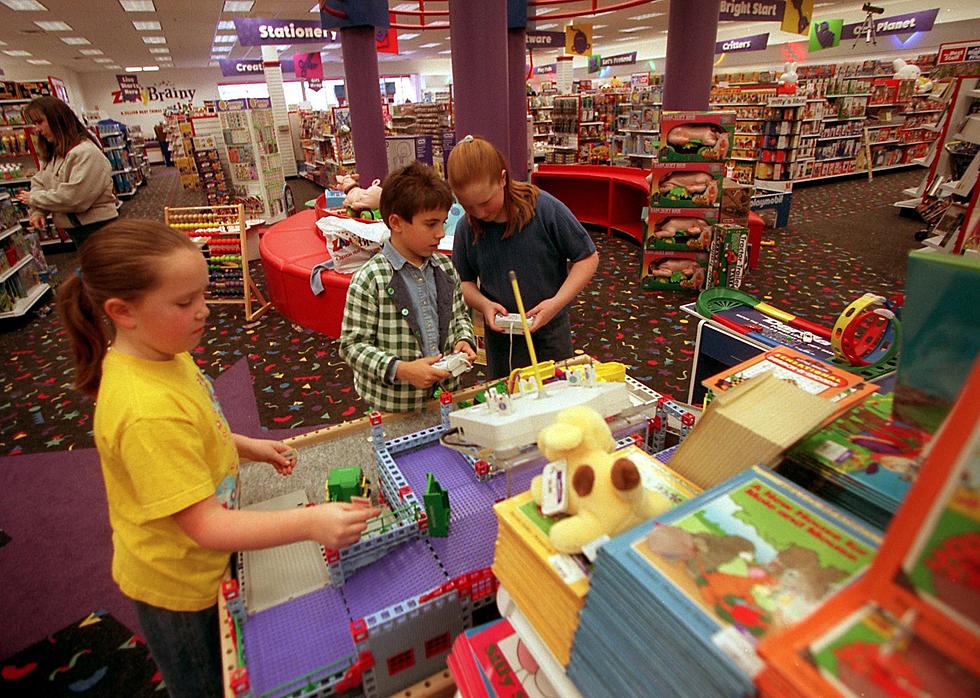
Zany Brainy
Zany Brainy

Robert Lachman/Los Angeles Times // Getty Images

Zany Brainy

– Category: Children’s educational toys
– Year founded: 1991
– Year defunct: 2001
– Lifetime: 10 years

Zany Brainy was one of the industry leaders in educational toys. At its peak, there were 184 stores in 34 states. In 2000, it was so ahead of the pack that it bought out rival toy chain Noodle Kidoodle in a $35 million deal. But this ultimately led to the combined company’s demise. The acquisition of Noodle’s 60 stores in a weakening toy market created a situation that was unsustainable for Zany Brainy, which filed for bankruptcy in 2001.

Fast Food Secrets You Need to Know

FAST FOOD SECRETS YOU NEED TO KNOW

Social media has made it possible to share all the fast food secrets and hacks you need to save a buck. Here are some of our favorites, which you can definitely use if you’re ever looking for a cheap meal.

Gallery Credit: Joe Cunningham

Five Guys Has Unlimited Bacon

Google Maps

Five Guys Has Unlimited Bacon

The thing about Five Guys is this: They don’t charge for extra bacon and extra cheese. So, along with filling up their fry bags with way more than you were expecting, they can (and apparently will) add as much bacon as you want without any additional charge.
Wendy's Chicken Nugget Bucket
Wendy’s Chicken Nugget Bucket

Joe Raedle, Getty Images

Wendy’s Chicken Nugget Bucket

Not too long ago, a TikTok user shared her joy in discovering the most magical food option at Wendy’s. Apparently, you can get just a bucket of nuggets, and it’s only about $10. This was verified in social media comments, and if you order from the chain’s app, you’re allegedly looking for the “Family Size” option.
Raisin' Canes Sauce Recipe
Raisin’ Canes Sauce Recipe

WGNO TV/New Orleans

Raisin’ Canes Sauce Recipe

One of the sources for all these fast food secrets today is Jordan Howlett, who is the “President of the Fast Food Secrets Club.” According to his social media accounts, fast food restaurants contact him over the secrets he shares online. In this video, he describes such a call and reveals the recipe for Cane’s sauce – and also pronounces Worchestershire correctly.
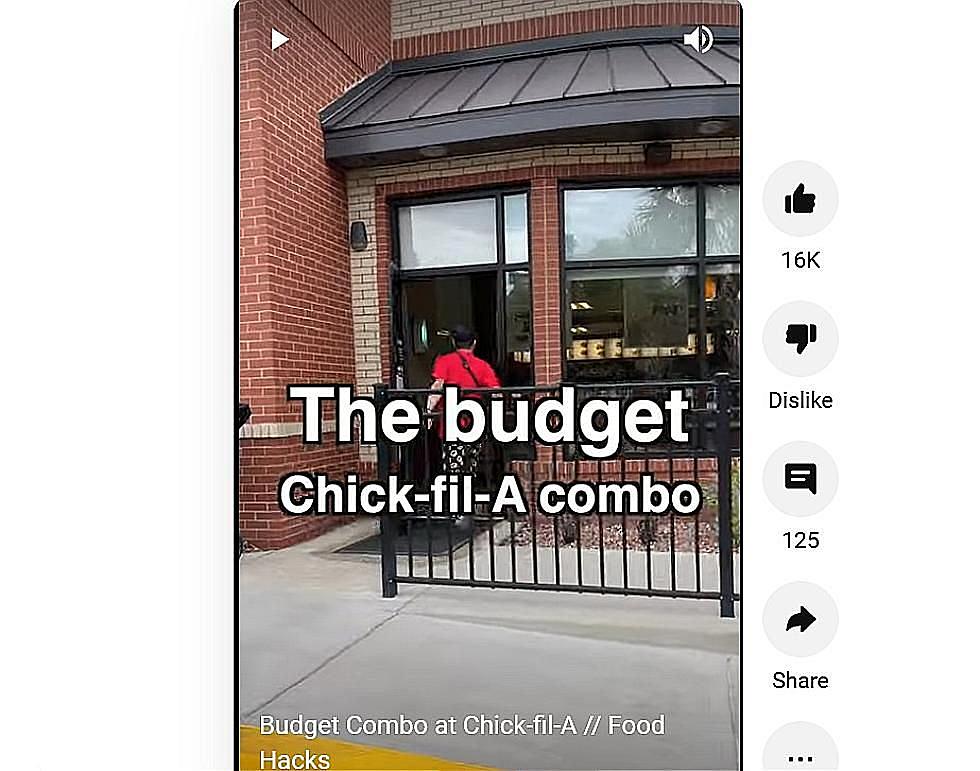
Chick-Fil-A Combo Hack

HellthyJunkFood/YouTube

Chick-Fil-A Combo Hack

We’ve written about this one before, but TikTok channel HellthyJunkFood is all about finding easy and creative ways to save money at fast food restaurants. One of their fast-food hacks showing you how to save money on combos at Chick-fil-A has gone viral. Check it out.
Domino's Pizza Discount Codes
Domino’s Pizza Discount Codes

Joe Raedle/Getty Images

Domino’s Pizza Discount Codes

In another video on his social media accounts, Fast Food Secrets Club President Jordan Howlett shares a very valuable secret: Discount codes for Domino’s pizza. Along with major discounts on carryout pizza, he also shares a code for delivery. Get a pen and paper and write this down.
Krispy Kreme's Free Donuts
Krispy Kreme’s Free Donuts

Joe Raedle, Getty Images

Krispy Kreme’s Free Donuts

Got a Krispy Kreme nearby? If so, you need to be there twice a day. When their special red light shines, that’s when you can nab a free donut. The commenters on this video verify that it’s real, and some even say there is no purchase necessary.
Papa John's Discount Code
Papa John’s Discount Code

Papa John’s/Twitter

Papa John’s Discount Code

It’s not just Domino’s that has secret codes. Jordan Howlett, known online as the President of the Fast Food Secrets Club also shared a discount code for Papa John’s that will take 25% off any menu item. You can find that code here.

Keep Reading:

THE 25 MOST DANGEROUS PLACES TO LIVE IN NEW YORK STATE

Our friends at Roadsnacks named the 25 most dangerous places to live.
#25 Cortland, New York

Canva

#25 Cortland, New York

Total Crime Per 100K: 3,973
Violent Crime Per 100K: 263
Murders: 0
attachment-Screenshot Capture - 2024-04-02 - 10-01-07
attachment-Screenshot Capture – 2024-04-02 – 10-01-07

Canva

#24 Lockport, New York

Total Crime Per 100K: 2,998
Violent Crime Per 100K: 573
Murders: 0
attachment-Screenshot Capture - 2024-04-02 - 10-00-59
attachment-Screenshot Capture – 2024-04-02 – 10-00-59

Canva

#23 Endicott, New York

Total Crime Per 100K: 3,090
Violent Crime Per 100K: 500
Murders: 0
attachment-Screenshot Capture - 2024-04-02 - 10-00-11
attachment-Screenshot Capture – 2024-04-02 – 10-00-11

Canva

#22 Ogdensburg, New York

Total Crime Per 100K: 3,845
Violent Crime Per 100K: 302
Murders: 1
attachment-Screenshot Capture - 2024-04-02 - 09-59-37
attachment-Screenshot Capture – 2024-04-02 – 09-59-37

Canva

#21 Olean, New York

Total Crime Per 100K: 3,569
Violent Crime Per 100K: 416
Murders: 0
attachment-Screenshot Capture - 2024-04-02 - 09-59-22
attachment-Screenshot Capture – 2024-04-02 – 09-59-22

Canva

#20 New York City, New York

Total Crime Per 100K: 2,885
Violent Crime Per 100K: 744
Murders: 438
attachment-Screenshot Capture - 2024-04-02 - 09-59-08
attachment-Screenshot Capture – 2024-04-02 – 09-59-08

Canva

#19 Oswego City, New York

Total Crime Per 100K: 3,838
Violent Crime Per 100K: 398
Murders: 0
attachment-Screenshot Capture - 2024-04-02 - 09-58-51
attachment-Screenshot Capture – 2024-04-02 – 09-58-51

Google

#18 Gloversville, New York

Total Crime Per 100K: 3,268
Violent Crime Per 100K: 539
Murders: 1
attachment-Screenshot Capture - 2024-04-02 - 09-58-28
attachment-Screenshot Capture – 2024-04-02 – 09-58-28

Canva

#17 Ithaca, New York

Total Crime Per 100K: 4,075
Violent Crime Per 100K: 304
Murders: 2
attachment-Screenshot Capture - 2024-04-02 - 09-58-11
attachment-Screenshot Capture – 2024-04-02 – 09-58-11

Canva

#16 Newburgh, New York

Total Crime Per 100K: 3,580
Violent Crime Per 100K: 1,103
Murders:3
attachment-Screenshot Capture - 2024-04-02 - 09-57-49
attachment-Screenshot Capture – 2024-04-02 – 09-57-49

Canva

#15 Johnson City, New York

Total Crime Per 100K: 4,428
Violent Crime Per 100K: 403
Murders: 0
attachment-Screenshot Capture - 2024-04-02 - 09-57-24
attachment-Screenshot Capture – 2024-04-02 – 09-57-24

Canva

#14 Utica, New York

Total Crime Per 100K: 3,976
Violent Crime Per 100K: 568
Murders: 1
attachment-Screenshot Capture - 2024-04-02 - 09-57-09
attachment-Screenshot Capture – 2024-04-02 – 09-57-09

Canva

#13 Niagara Falls, New York

Total Crime Per 100K: 3,660
Violent Crime Per 100K: 806
Murders: 5
attachment-Screenshot Capture - 2024-04-02 - 09-56-54
attachment-Screenshot Capture – 2024-04-02 – 09-56-54

Canva

#12 Malone, New York

Total Crime Per 100K: 4,152
Violent Crime Per 100K: 474
Murders: 1
attachment-Screenshot Capture - 2024-04-02 - 09-56-36
attachment-Screenshot Capture – 2024-04-02 – 09-56-36

Google

#11 Jamestown, New York

Total Crime Per 100K: 3,704
Violent Crime Per 100K: 790
Murders: 2
attachment-Screenshot Capture - 2024-04-02 - 09-56-06
attachment-Screenshot Capture – 2024-04-02 – 09-56-06

Canva

#10 Buffalo, New York

Total Crime Per 100K: 3,946
Violent Crime Per 100K: 736
Murders: 67
attachment-Screenshot Capture - 2024-04-02 - 09-55-44
attachment-Screenshot Capture – 2024-04-02 – 09-55-44

Canva

#9 Troy, New York

Total Crime Per 100K: 4,023
Violent Crime Per 100K: 672
Murders: 5
attachment-Screenshot Capture - 2024-04-02 - 09-55-19
attachment-Screenshot Capture – 2024-04-02 – 09-55-19

Canva

#8 Syracuse, New York

Total Crime Per 100K: 3.942
Violent Crime Per 100K: 891
Murders: 17
attachment-Screenshot Capture - 2024-04-02 - 09-55-04
attachment-Screenshot Capture – 2024-04-02 – 09-55-04

Canva

#7 Schenectady, New York

Total Crime Per 100K: 4,178
Violent Crime Per 100K: 757
Murders: 8
attachment-Screenshot Capture - 2024-04-02 - 09-54-50
attachment-Screenshot Capture – 2024-04-02 – 09-54-50

Canva

#6 Rochester, New York

Total Crime Per 100K: 4,312
Violent Crime Per 100K: 731
Murders: 66
attachment-Screenshot Capture - 2024-04-02 - 09-54-34
attachment-Screenshot Capture – 2024-04-02 – 09-54-34

Canva

#5 Binghamton, New York

Total Crime Per 100K: 4,367
Violent Crime Per 100K: 603
Murders: 0
attachment-Screenshot Capture - 2024-04-02 - 09-54-12
attachment-Screenshot Capture – 2024-04-02 – 09-54-12

Canva

#4 Oneida, New York

Total Crime Per 100K: 4,717
Violent Crime Per 100K: 603
Murders: 0
attachment-Screenshot Capture - 2024-04-02 - 09-53-55
attachment-Screenshot Capture – 2024-04-02 – 09-53-55

Canva

#3 Watertown, New York

Total Crime Per 100K: 4,743
Violent Crime Per 100K: 929
Murders:0
attachment-Screenshot Capture - 2024-04-02 - 09-53-38
attachment-Screenshot Capture – 2024-04-02 – 09-53-38

Canva

#2 Albany, New York

Total Crime Per 100K: 4,711
Violent Crime Per 100K: 929
Murders: 11
attachment-Screenshot Capture - 2024-04-02 - 09-53-17
attachment-Screenshot Capture – 2024-04-02 – 09-53-17

Canva

#1 Herkimer, New York

Total Crime Per 100K: 6,832
Violent Crime Per 100K: 878
Murders: 0

Share This News

Leave a Reply

Your email address will not be published. Required fields are marked *

More News of This Category