Bangladesh’s road toll of impunity

- Update Time : Tuesday, November 10, 2026
- 49 Time

AFTER every deadly road crash in Bangladesh, the same scenes return: weeping families, public anger, calls for inquiry and promises of tougher action. Then, before anything has changed, another crash happens. Roads are dangerous and drivers do make mistakes, but that is not the heart of the matter. The deeper trouble is that the institutions meant to keep people safe repeatedly fail to prevent risks they could see coming, fail to enforce rules already on the books and rarely answer for what goes wrong. Our road safety crisis is, above all, a crisis of accountability.
Counting the dead
WE DO not even agree on how many people die. The Bangladesh Road Transport Authority reports 4,157 deaths and 5,391 injuries in 4,285 crashes between January and September 2026. The Road Safety Foundation counted 423 deaths and 674 injuries in 442 crashes in September alone. For 2025, the Bangladesh Passenger Welfare Association reported 9,111 deaths, while the Road Safety Foundation recorded 7,359. The gaps arise because each body collects its data differently, so the figures cannot be swapped for one another. Yet whichever number one prefers, the scale is alarming.
International estimates suggest the real picture may be worse still. The World Health Organisation estimated 31,578 road deaths in Bangladesh in 2021, against 5,084 in official records. The WHO figure is a statistical estimate, not a count of verified crashes, and the two numbers are not directly comparable. But a gap this wide hints that official records miss a large share of the dead. Without trustworthy figures, the government cannot know which roads are deadliest, who are at risk, or whether any policy is working.
The remedy is a single national record that draws together police reports, hospital data, death registration and insurance claims. Every death should be logged in the same way, including those that occur after a victim reaches hospital. The authorities should publish regular figures, explain how they were gathered and keep recorded deaths separate from international estimates. Journalists, researchers and ordinary citizens could then judge progress for themselves instead of taking officials at their word.
Rules that exist only on paper
GOOD figures are only a start. The bigger weakness lies in enforcing safety rules that already exist. A fitness certificate protects no one if the inspection was a formality, defects were never repaired, or the paper was bought. Bad brakes, worn tyres, broken lights, unsafe modifications and overloaded vehicles can turn a small error into a funeral. Inspections must be real technical checks, with open records and independent oversight. Centres that issue false certificates and vehicle owners who knowingly run unsafe vehicles should face serious penalties.
Drivers need the same scrutiny. A licence means little when employers set punishing schedules, drivers cannot rest and the race for profit rewards recklessness. Operators must make sure their drivers are qualified, fit for duty and properly rested and must keep clear logs of working hours and vehicle servicing. When an unauthorised person is allowed to drive a passenger vehicle, blame should reach those who permitted it, not just the person at the wheel. A business that gambles with passengers’ lives to save time or money should not be able to hide behind its driver.
Riders and walkers
MOTORCYCLISTS and pedestrians are the most exposed. The Bangladesh Passenger Welfare Association recorded 2,983 motorcycle deaths in 2025. Training, valid licences, proper helmets and action against speeding matters. But so do road conditions, vehicle quality and the pressure on those who ride for a living. A delivery worker should not have to choose between a punishing deadline and getting home alive. If we want safer behaviour, we must also fix the conditions that push people towards risk.
For pedestrians, the problem is often the road itself. Footpaths are cracked, blocked by vendors or missing altogether. Safe crossings are scarce near schools, markets and bus stops. No one should have to dodge fast traffic just to reach work or class. Local councils and road agencies should provide continuous footpaths, clearly marked crossings, decent lighting and sensible speed limits in crowded areas. In a country where millions travel on foot and by public transport, these are basic duties, not luxuries.
Roads built for speed, not safety
ROAD design deserves more attention than it gets. Every head-on collision should prompt questions about overtaking space, lane separation, markings, junctions and slow vehicles sharing fast roads. Where a design invites disaster, warning signs are not enough. Median barriers, safer junctions, realistic speed limits and regular maintenance can ensure that one driver’s mistake does not cost many lives. Highways should be judged not only by how fast vehicles can travel, but by whether people can travel on them safely.
When help comes too late
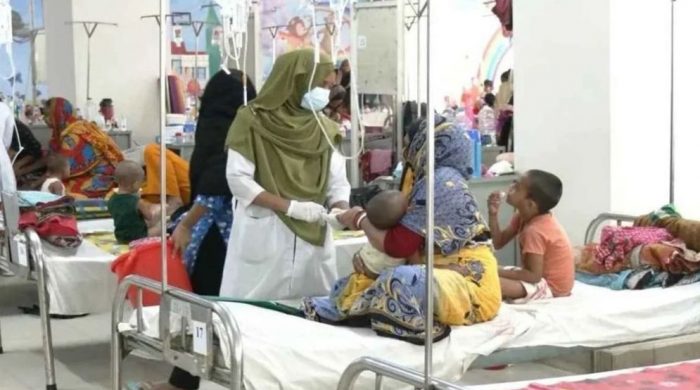
RESPONSIBILITY does not end when the crash is over. Slow ambulances and poor hospital care can turn survivable injuries into deaths. We need better coordination among emergency services, police, ambulances and hospitals, along with trained first responders and trauma care within reach. Bystanders who help injured strangers should be legally protected and victims should never be kept waiting for treatment over paperwork or payment. All of this needs money, staff and practical planning, not just good intentions.
The proposed Road Safety Act 2026 reportedly addresses several of these gaps, including emergency treatment, protection for those who help crash victims, a points system that penalises bad driving and tougher punishment for repeat offenders. These ideas are promising, but their value will depend on the final wording and on how the law is carried out. The government must say plainly which agency is responsible for what, how compliance will be checked and what will happen when an institution fails in its duty.
Beyond speeches
Road safety should be more than speeches, rallies and awareness drives. Public education has its place, but it cannot make up for unsafe vehicles, untrained drivers, dangerous roads and uneven enforcement. The government has reportedly promised a road-safety law by 2027, built on the international principle that roads, vehicles, speeds and emergency care should be designed so that human error does not become fatal. That promise needs measurable goals and regular public reports. The test is not whether a law is passed but whether deaths and serious injuries fall, records improve and rules are obeyed. A law on the statute book does not by itself save a single life.
The same applies to investigations. Every fatal crash should be examined promptly, with findings published within a reasonable time, causes identified and specific fixes recommended. Where negligence, forged documents, unauthorised driving or official misconduct is proven, penalties must follow. Families should receive compensation, rehabilitation and legal help without needless red tape. Losing the main earner can leave a household buried in funeral costs, debt and the expense of caring for the injured. Supporting such families is a public duty, though no payment can replace preventing the death in the first place.
The damage also spreads well beyond wrecked vehicles and hospital bills. Death and disability wipe out household income, force children out of school and add to the unpaid burden of care, often on women. Poorer families suffer most, having little savings, insurance or access to rehabilitation. Road safety is therefore bound up with fighting poverty, protecting public health and providing social security. A transport system that keeps exposing people to avoidable danger also drags down productivity and erodes trust in government.
A plan with deadlines
BANGLADESH needs a road-safety plan that names who is responsible, sets deadlines and produces measures results. A good first step would be a national task force with the authority to coordinate the BRTA, the police, road agencies, local government and health services. Its first job should be to publish one clear account of road deaths and serious injuries, explain the differences between official and independent figures and identify the most dangerous roads, junctions and vehicle types. Within six months it should release a starting assessment of where the country stands, along with an action plan and report progress every quarter.
Next, regulation must move from paperwork to proof. The BRTA should keep a public, searchable digital record of fitness certificates, professional driving licences and inspection results, backed by independent checks on inspection centres. Police should focus on the most lethal offences: dangerous speeding, unauthorised driving, overloading and seriously defective vehicles. Operators should keep records of driver hours, rest and maintenance. Repeat offenders should face steadily heavier penalties, including suspension of services when continued violations endanger passengers. Enforcement results should be published, so the public can see whether the rules apply equally to everyone.
Spending on roads should follow evidence of danger, not political visibility. Within a year, road authorities should use crash records and site inspections to identify the riskiest stretches and junctions, then fund affordable fixes: median barriers, safer crossings, lighting, road markings and speed controls. Every major road project should undergo an independent safety audit before it opens and periodic checks afterwards. Local councils should get dedicated funds to improve walking routes near schools, markets, hospitals and bus stops.
Emergency response also needs a firm foundation. One well-publicised emergency number should connect callers with trained responders, ambulances and suitable hospitals. Emergency departments should follow clear rules for immediate treatment and district authorities should regularly review ambulance coverage, response times and trauma services. An annual public report should show where delays occur and what is being done about them.
Finally, accountability must be built into the system itself. Every fatal crash should be investigated quickly, with findings published wherever the law allows and recommendations assigned to named agencies. An independent yearly review should check whether those recommendations were carried out and whether deaths and injuries actually fell. Parliament should examine the findings and the government should explain any missed targets and what it will do about them. Citizens should be able to tell real progress from announcements, training sessions and money spent.
Such reforms need a multi-year budget with funds clearly set aside for enforcement, road engineering, emergency care and data collection. Targets for cutting deaths and serious injuries over the next three to five years should be set against published starting figures. If better data later shows the true toll is higher, targets should be revised openly, not quietly lowered to make results look better.
The test
THE central test is simple. Every responsible institution must know what it is expected to deliver, every failure must be examined and every result must be open to public scrutiny. Bangladesh cannot prevent every crash, but it can stop treating preventable deaths as the unavoidable price of getting around.
What the country needs is not another round of outrage followed by vague promises, but a system in which each institution has defined duties, independent assessment and real consequences for failure. Drivers must obey the law. Operators must offer safe services. Regulators must enforce standards. Road authorities must repair dangerous designs. Each has a separate duty and none should be allowed to push its burden onto another.
Until preventable deaths bring consistent consequences for those responsible, road safety will remain a measure of how poorly we protect our own people. Progress should not be judged by how authorities react when people die, but by whether they can make the journey home safer before another family receives the worst news of its life.
Dr Matiur Rahman is a researcher and development professional.